
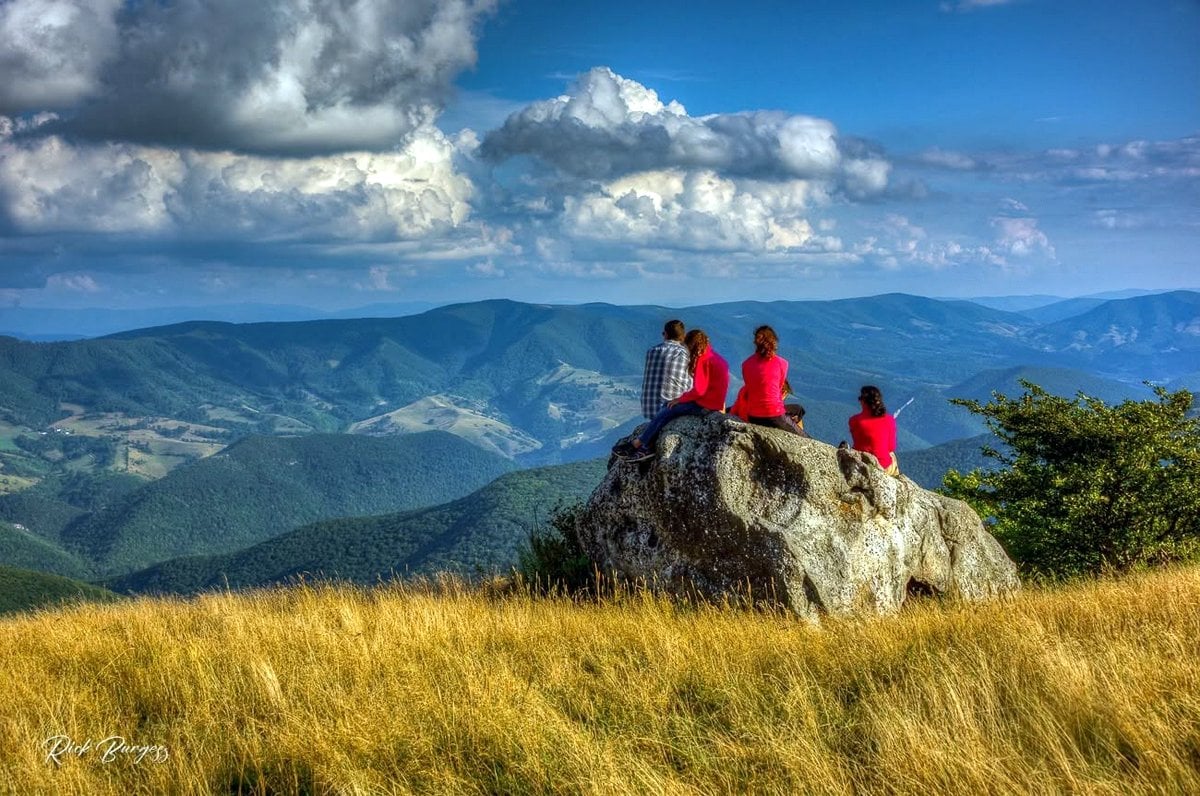
CHARLESTON, W.Va. — West Virginia is not the largest state east of the Mississippi River. It does not have the region’s tallest mountains, largest national park, or most extensive wilderness system.

Even so, the Mountain State can make a strong case as one of the wildest places in the eastern United States.
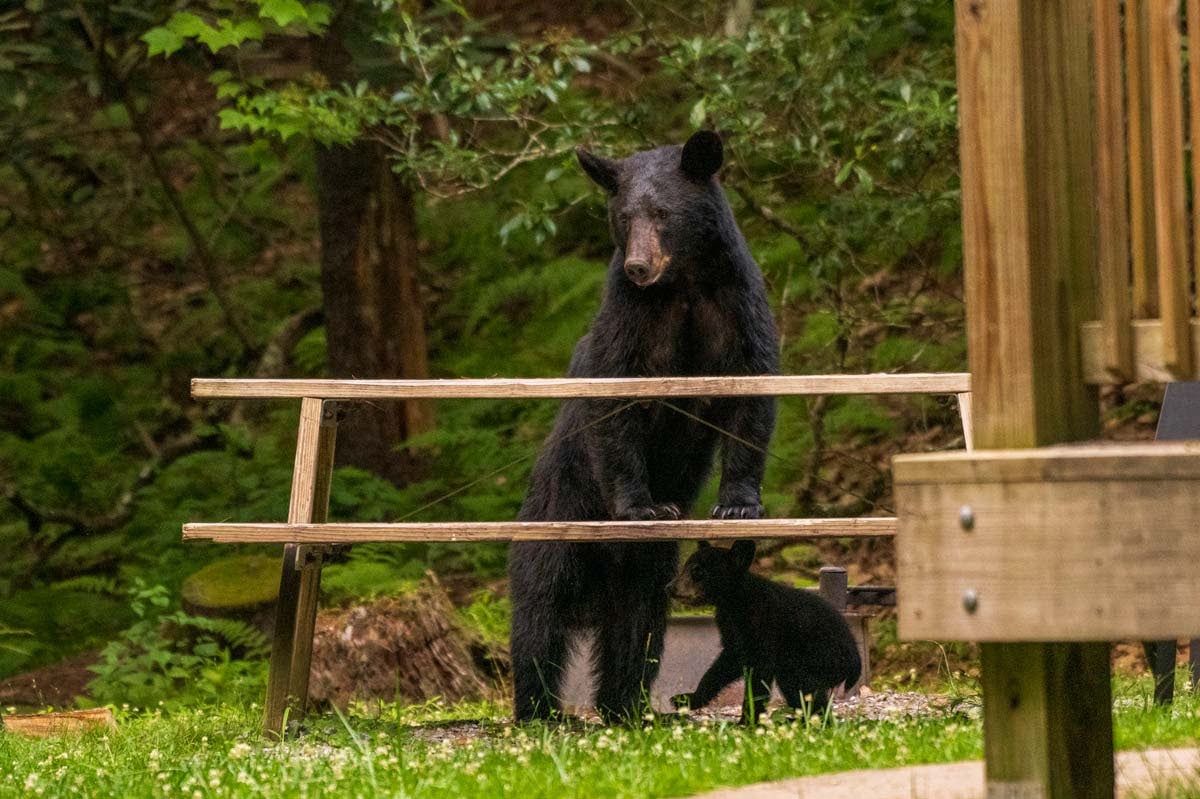
Nearly four-fifths of West Virginia is covered by forest. The Monongahela National Forest spans nearly one million acres. Black bears occur across the state. Elk have returned to the southern coalfields. The New River Gorge protects more than 70,000 acres along one of North America’s oldest rivers, while wilderness areas such as Dolly Sods and Cranberry preserve some of the most remote mountain landscapes in the East.
The claim is not official, and “wildest” is difficult to measure. But by several practical standards—forest cover, public land, rugged terrain, wildlife, biodiversity, and low-density mountain landscapes—West Virginia stands out.
West Virginia is almost four-fifths forest
The strongest argument begins with trees.
West Virginia is about 78 percent forested, according to the W.Va. Division of Forestry, making it one of the most heavily forested states in the nation. That means forests cover roughly four out of every five acres.
The numbers matter because forest cover shapes nearly every part of the state’s natural identity. It provides habitat for wildlife, protects streams, supports outdoor recreation, and gives much of West Virginia the sense of remoteness that visitors often associate with wilderness.
In many eastern states, forests are broken by large metropolitan areas, extensive suburbs, or broad agricultural landscapes. In West Virginia, development often remains concentrated in valleys, towns, and transportation corridors, while ridges and mountains remain heavily wooded.

Monongahela National Forest anchors the state’s wild reputation
The Monongahela National Forest is one of West Virginia’s most important natural assets.
Established in 1920, the forest spans nearly one million acres across 10 counties in eastern West Virginia. It includes high-elevation spruce forests, mountain streams, rocky summits, bogs, and some of the most ecologically distinctive landscapes in the central Appalachians.
The forest also contains several federally designated wilderness areas, including Dolly Sods, Cranberry, Otter Creek, Laurel Fork North, Laurel Fork South, and Big Draft.
For visitors from Washington, Pittsburgh, Columbus, Richmond, and other nearby metropolitan areas, the Monongahela provides one of the closest large-scale mountain forest landscapes in the East.
Dolly Sods feels farther north than West Virginia
Few places better illustrate West Virginia’s wild character than Dolly Sods Wilderness.
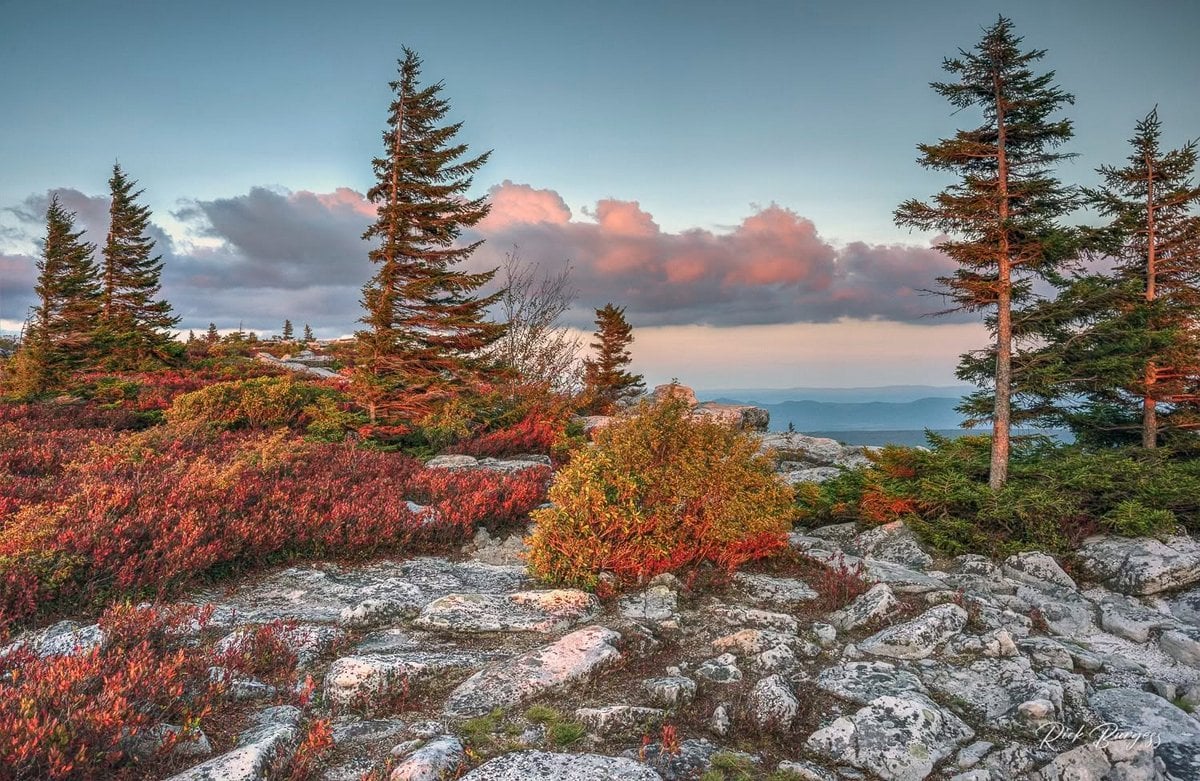
Located in the Monongahela National Forest, Dolly Sods covers more than 17,000 acres in Grant, Randolph, and Tucker counties. Its high-elevation plateau includes bogs, heath barrens, stunted trees, windswept rocks, and plant communities more commonly associated with areas farther north.
The landscape has been shaped by logging, fire, military use, and recovery. Today, it is among the state’s most popular wilderness destinations, drawing hikers, backpackers, photographers, birders, and naturalists.
Its popularity has created management challenges, including parking pressure, trail wear, and crowding in some areas. Still, Dolly Sods remains one of the most recognizable wild landscapes in West Virginia.
Cranberry Wilderness is one of the East’s largest wild areas
Farther south, the Cranberry Wilderness offers a different kind of wildness.
Spanning more than 47,000 acres in Pocahontas and Webster counties, Cranberry Wilderness is the largest forest service wilderness area in the eastern United States. It includes broad mountains, deep valleys, and the upper watersheds of the Williams and Cranberry rivers.
The area’s scale gives it unusual importance in the East, where large wilderness areas are less common than in the western United States.
For hikers, anglers, hunters, and backpackers, the Cranberry country remains one of the best places in West Virginia to experience long stretches of forest away from roads and development.
Black bears live across West Virginia
Wildness is also measured by the animals a landscape can support.
Black bears are now considered a statewide population in West Virginia. They are most abundant in the heavily forested mountains, but bears occur across the state and are increasingly reported near communities.
Their presence reflects both the extent of West Virginia’s forest cover and the adaptability of the species. It also creates responsibilities for residents and visitors, including securing food, trash, birdseed, and campsites.
For many travelers, the possibility of seeing bear sign—tracks, scat, clawed trees, or the animal itself at a safe distance—reinforces the sense that West Virginia remains a genuinely wild landscape.
Elk have returned to the southern coalfields
Elk add another dimension to the story.
Once native to the region, elk disappeared from West Virginia by the late 1800s because of overhunting and habitat loss. In 2016, the W.Va. Division of Natural Resources began restoring elk to the southern coalfields.
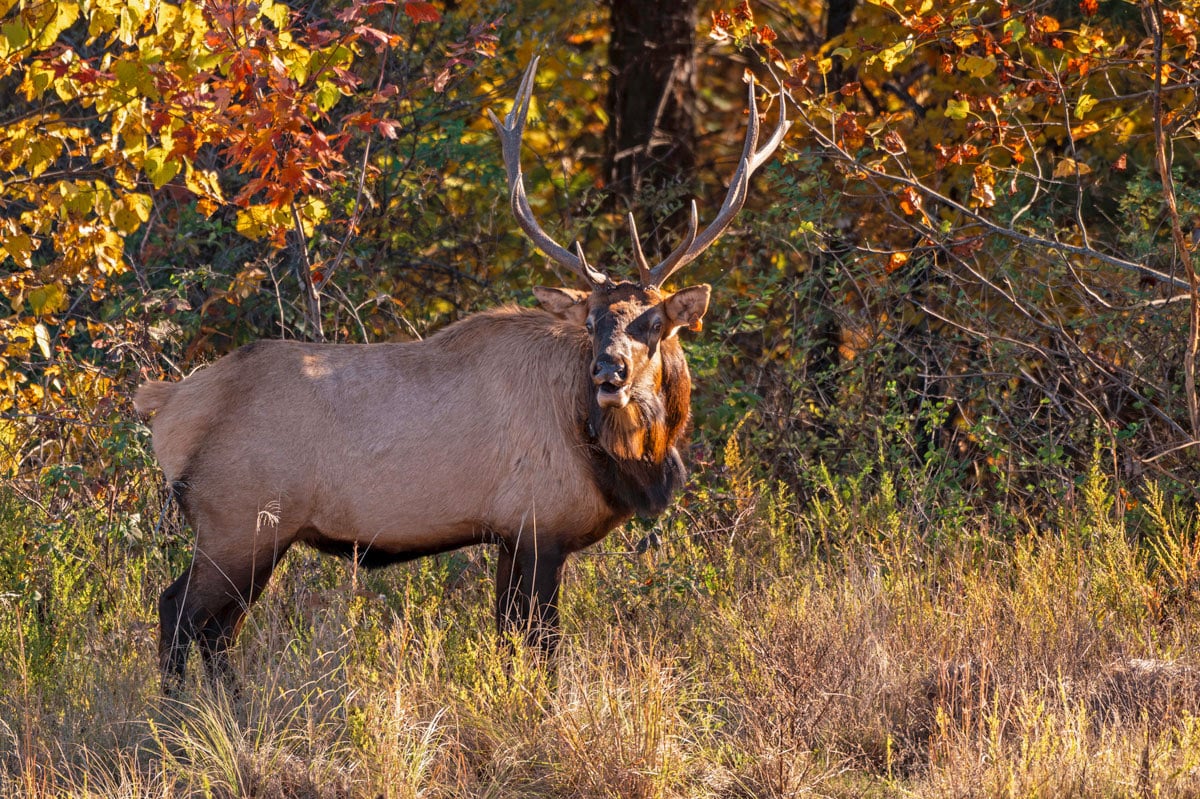
The restoration effort has centered on reclaimed mine lands and surrounding habitat in southwestern West Virginia. The state now promotes elk viewing at the Tomblin Wildlife Management Area and the Elk Education Center in Logan County.
The return of elk does not by itself make West Virginia the wildest state in the East. But it adds to a broader pattern: forests, former industrial lands, and public wildlife management areas are supporting animals many residents once knew only from history.
Salamanders reveal a deeper biodiversity story
Some of West Virginia’s most important wildlife is easy to overlook.
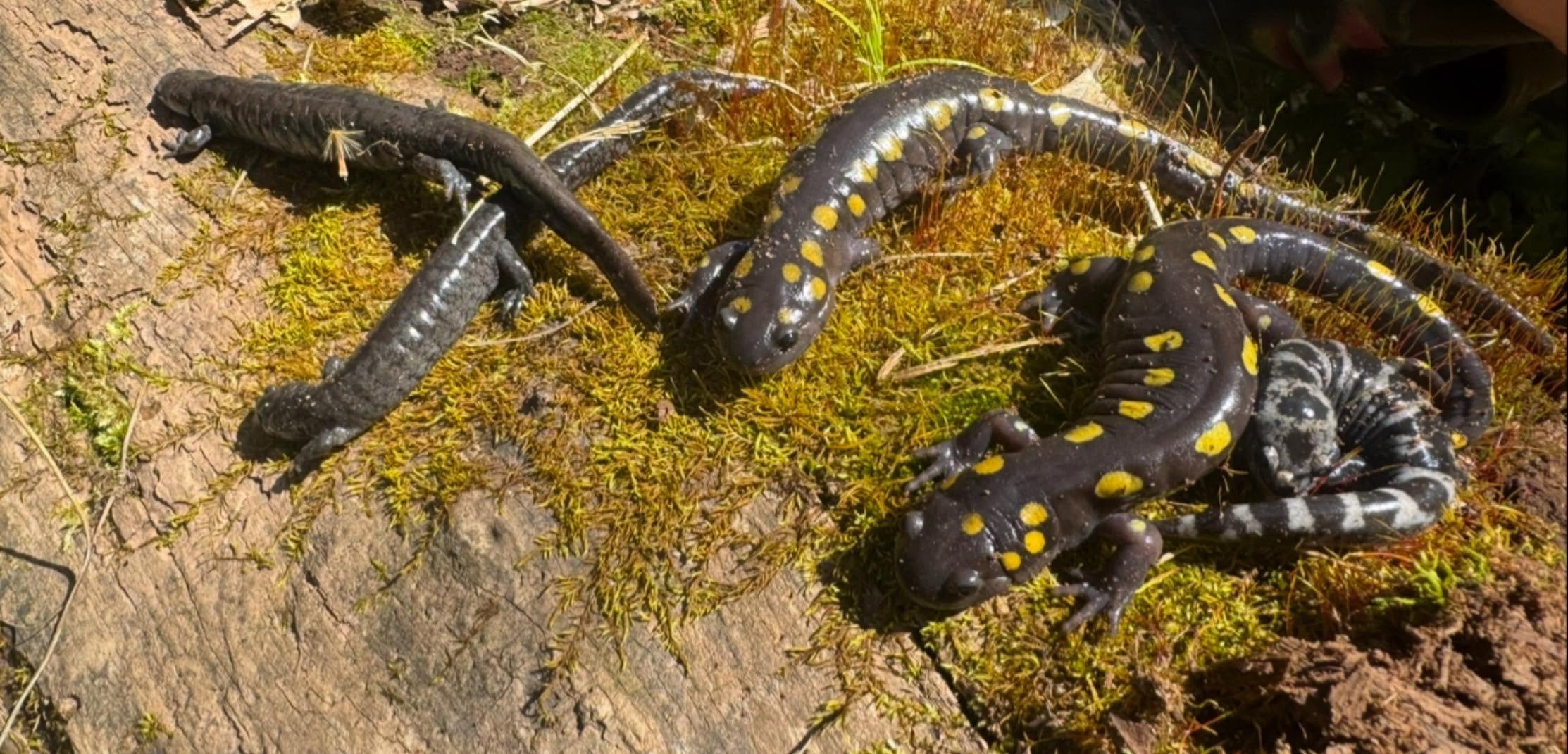
The state is home to 36 recognized salamander species, according to biologists with the W.Va. Division of Natural Resources. That number is significant because the Appalachian Mountains are one of the world’s great centers of salamander diversity.
Salamanders depend on cool, moist forests, clean streams, seeps, springs, caves, and wetlands. Their presence is a reminder that wildness is not only about large animals such as bears and elk.
In West Virginia, it is also found under rocks, in leaf litter, along shaded streams, and in high-elevation wetlands.
The New River Gorge adds national park wildness
The New River Gorge National Park and Preserve gives West Virginia another major part of its wild identity.
The park protects more than 70,000 acres along 53 miles of the New River. Its cliffs, forests, streams, abandoned mine portals, and river corridor support a wide range of plant and animal life.
The gorge is best known nationally for whitewater rafting, rock climbing, hiking, and the New River Gorge Bridge. But much of the park’s importance lies in the rugged, forested landscape that surrounds the river.
Even with growing visitation, large portions of the gorge remain steep, wooded, and difficult to access.
Wildness in an eastern context
West Virginia is not alone in having wild places east of the Mississippi.
Maine contains vast forests. New York has the Adirondacks. Tennessee and North Carolina share the Great Smoky Mountains. Virginia has Shenandoah and large areas of national forest. Kentucky, Pennsylvania, and other states also contain important wild landscapes.
West Virginia’s distinction is the density of wild characteristics packed into a relatively small state.
It combines high forest cover, rugged terrain, low population density in many mountain counties, nearly a million acres of national forest, a national park and preserve, major wilderness areas, abundant public lands, and wildlife ranging from salamanders to elk.
That combination is difficult to find elsewhere in the East.
A wild state, but not an untouched one
Calling West Virginia wild does not mean it is untouched.
The landscape has been shaped by logging, mining, farming, railroads, roads, towns, dams, and industry. Many forests that appear mature today are second-growth forests that returned after the heavy timber-cutting era of the late 19th and early 20th centuries.
That history is part of what makes the state’s modern landscape notable.
West Virginia is not wild because people never altered it. It is wild, in large part, because forests returned, wildlife endured or was restored, and rugged terrain limited the kind of large-scale development seen in many other eastern states.
Why the matter of wildness?
Whether West Virginia is truly the wildest state east of the Mississippi depends on how wildness is defined.
If the measure is total wilderness acreage, other states may compete. If the measure is remoteness, northern Maine has a strong claim. If the measure is biodiversity, the southern Appalachians as a whole are difficult to surpass.
But if the measure is the combined presence of forest cover, rugged public lands, wildlife, biodiversity, and everyday access to mountain landscapes, West Virginia belongs in the conversation.
For travelers, that may be the more useful point.
In West Virginia, wildness is not confined to a single park or distant preserve. It is part of the state’s geography, visible from highways, trailheads, river valleys, overlooks, and small towns across the Mountain State.
It would be good if you included the amount of acreage per capita compared to other states. solitude is a factor in wilderness designation.
Hopefully Wild West Virginia stays this way for generations to come !
AMEN!
I don’t consider myself anti social, but I certainly am pro solitude