
FRENCH CREEK, W.Va. — Frontier blacksmiths will hammer glowing iron. Scouts will demonstrate wilderness survival. Cooks will prepare meals over open fires while historical reenactors recreate life as it unfolded in the Appalachian backcountry.

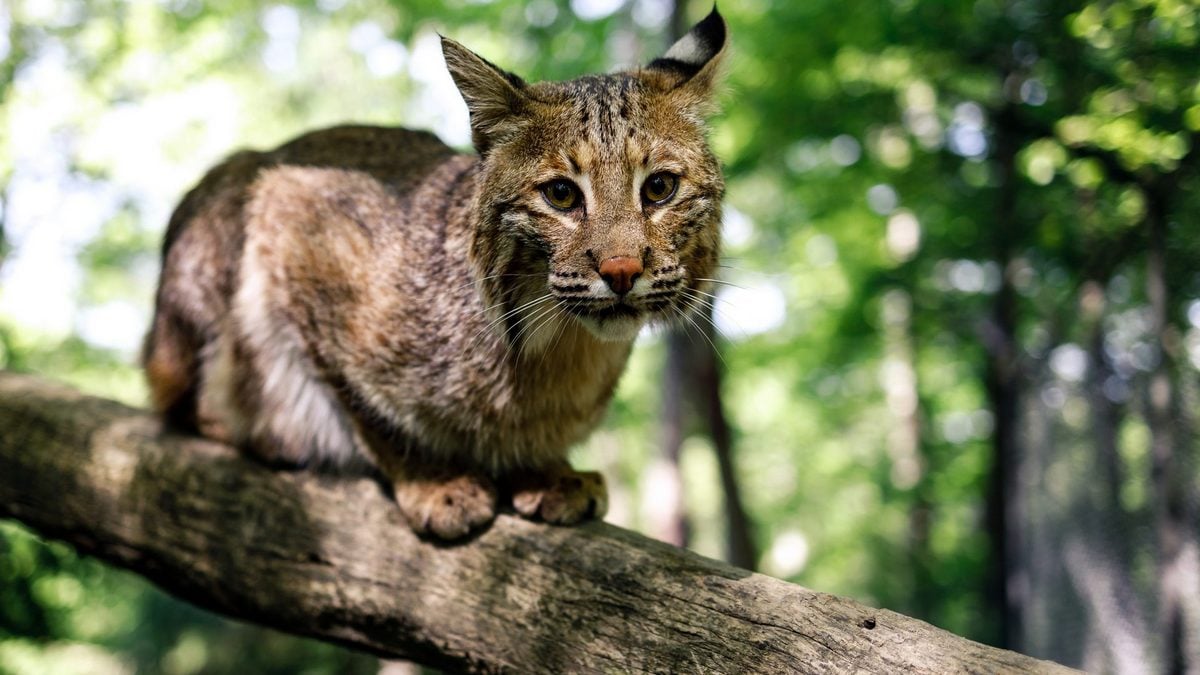
Yet perhaps the most authentic part of the experience won’t be the encampment itself. Just beyond the demonstrations, visitors can walk wooded trails where black bears, bobcats, river otters, elk, wolves, and dozens of other native species offer a glimpse of the wildlife that shaped life on the Virginia frontier centuries ago.
That combination of living history and living wildlife will return July 31 and Aug. 1 as the West Virginia Wildlife Center hosts its 10th annual Rendezvous Celebration, one of the facility’s most popular annual events.
Held rain or shine from 9 a.m. to 5 p.m. each day, the celebration transforms the Wildlife Center into a living-history encampment that spans the region’s past, from precolonial America through the Civil War.
“The Rendezvous is one of the Wildlife Center’s most anticipated annual events, and reaching our 10th year makes it even more special,” said Mark Biller, wildlife biologist at the West Virginia Wildlife Center. “This gathering brings West Virginia’s frontier history to life in a way that is both educational and engaging for visitors of all ages.”
Living history comes to life
Historical reenactors dressed in authentic period clothing will establish camps throughout the grounds while demonstrating the skills that once made life possible in Appalachia. Visitors will be able to observe blacksmithing, woodworking, beadwork, sewing, cooking, and knife-making while learning how settlers and Indigenous peoples crafted the tools they relied on every day.
Additional demonstrations will explore the work of frontier scouts, including wilderness survival techniques, period weapons, and the craftsmanship of early gunsmiths.
A walk through West Virginia’s natural history
For many visitors, however, the Wildlife Center itself provides another journey into West Virginia’s past.

Unlike traditional zoos, the Wildlife Center exhibits only animals native to the Mountain State. Along its wooded walking trail, visitors encounter black bears, white-tailed deer, bobcats, river otters, bald eagles, fishers, elk, coyotes, and numerous other species that either continue to inhabit West Virginia’s forests or once played important roles in its natural history.
Several of those animals would have been familiar to early settlers who crossed the Allegheny Mountains. Wolves once roamed nearly every county before disappearing from the state during the late 1800s. Elk, another iconic Appalachian species, vanished due to overhunting before returning to southern West Virginia through modern restoration efforts. River otters, fishers, and bald eagles have likewise made remarkable recoveries after decades of conservation work.
From game farm to wildlife center
The Wildlife Center itself reflects that conservation legacy.
Originally established in 1923 as the French Creek Game Farm, the facility helped restore wildlife populations that had declined dramatically during the late 19th and early 20th centuries. Deer, wild turkeys, pheasants, and other game animals were raised there and released across West Virginia as wildlife managers worked to rebuild populations devastated by unregulated hunting and habitat loss.
As wildlife science evolved, the facility shifted away from captive breeding and toward education. Today, it serves as one of West Virginia’s premier destinations for introducing visitors to the state’s native wildlife while highlighting the importance of conservation and responsible stewardship.
An Appalachian experience for all ages
That mission complements the annual Rendezvous Celebration, where demonstrations of traditional frontier skills unfold amid the forests and wildlife that once shaped everyday life in Appalachia.
The Wildlife Center’s setting also offers visitors a rare opportunity to imagine what much of West Virginia looked like more than 250 years ago, when dense hardwood forests stretched across the mountains, and encounters with bears, elk, wolves, and other native animals were part of daily frontier life.
The annual event has grown steadily over the past decade, attracting families, history enthusiasts, and outdoor recreation travelers from across the region.
Regular Wildlife Center admission applies during the celebration. Admission is $4 for adults ages 16 and older, $2 for children ages 6 to 15, and free for children ages 5 and younger. Wildlife Center season passes will be honored, and both cash and credit cards will be accepted.
The West Virginia Wildlife Center is located about 12 miles south of Buckhannon on U.S. Route 20 and approximately 29 miles north of Flatwoods.