
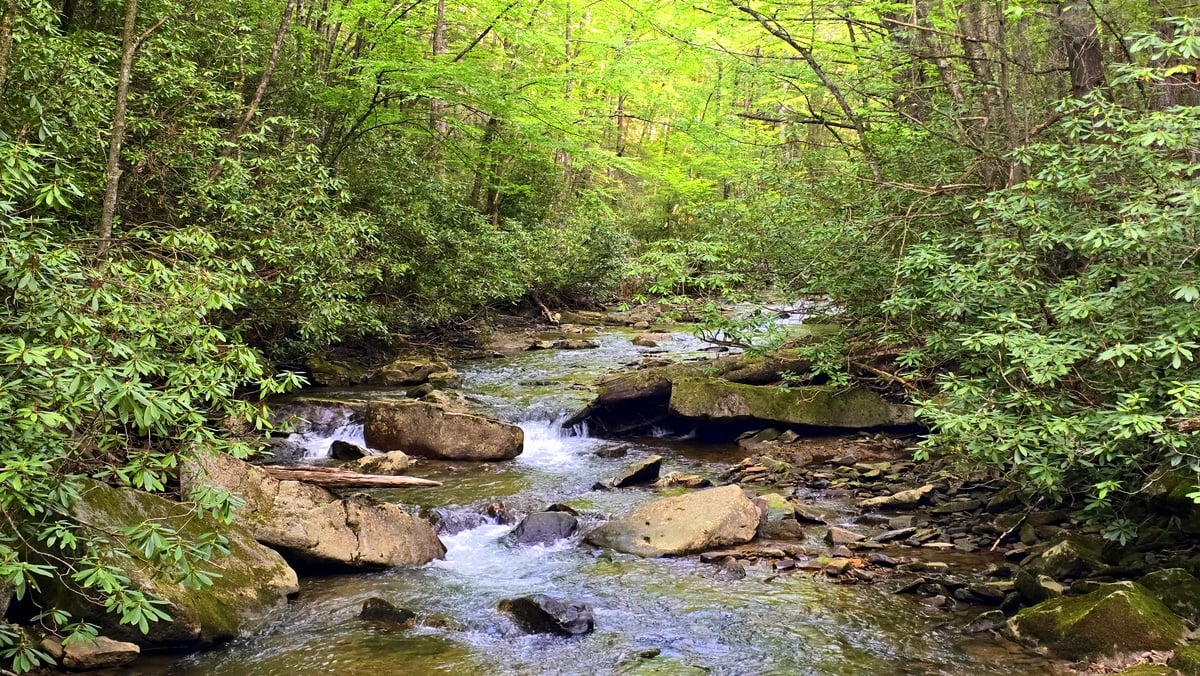
CHARLESTON, W.Va. — More than 170 miles of West Virginia mountain streams that support the state’s native brook trout have been newly recognized as protected “trout waters,” expanding safeguards for some of Appalachia’s coldest and cleanest waterways.
The designation, announced through a partnership involving Trout Unlimited, the W.Va. Rivers Coalition, the W.Va. Division of Natural Resources, the W.Va. Department of Environmental Protection, and other conservation organizations, follows years of field surveys documenting previously unrecognized wild trout populations.
New surveys identify previously unrecognized trout streams
The newly designated waterways support naturally reproducing brook trout, West Virginia’s state fish, and the only trout species native to the Appalachian Mountains. Unlike introduced rainbow and brown trout, brook trout evolved in the region’s cold headwater streams and depend on exceptionally clean, cool water to survive.
“Brook trout are one of the best indicators of healthy mountain streams,” said Maggie Stange, communications director for the West Virginia Rivers Coalition. “Protecting these waters benefits far more than anglers. These same headwater streams help sustain downstream drinking water supplies, support recreation and tourism, and preserve the ecological health that makes West Virginia unique.”
The new designations were made after biologists confirmed wild trout populations in more than 170 miles of streams that previously had not been officially recognized as trout waters. Initial surveys were conducted by conservation organizations using environmental DNA sampling before crews carried out extensive electrofishing surveys to verify the presence of trout.
The findings were then confirmed by the state and incorporated into the U.S. Department of Environmental Protection’s official trout waters list.
Dr. Nathaniel “Than” Hitt, a senior scientist with the West Virginia Rivers Coalition, said the work comes at an important time as native populations continue to decline across parts of Appalachia.
“We know that brook trout populations are in decline in many streams across Appalachia, and that makes it even more important to document and conserve brook trout streams wherever we can,” Hitt said.
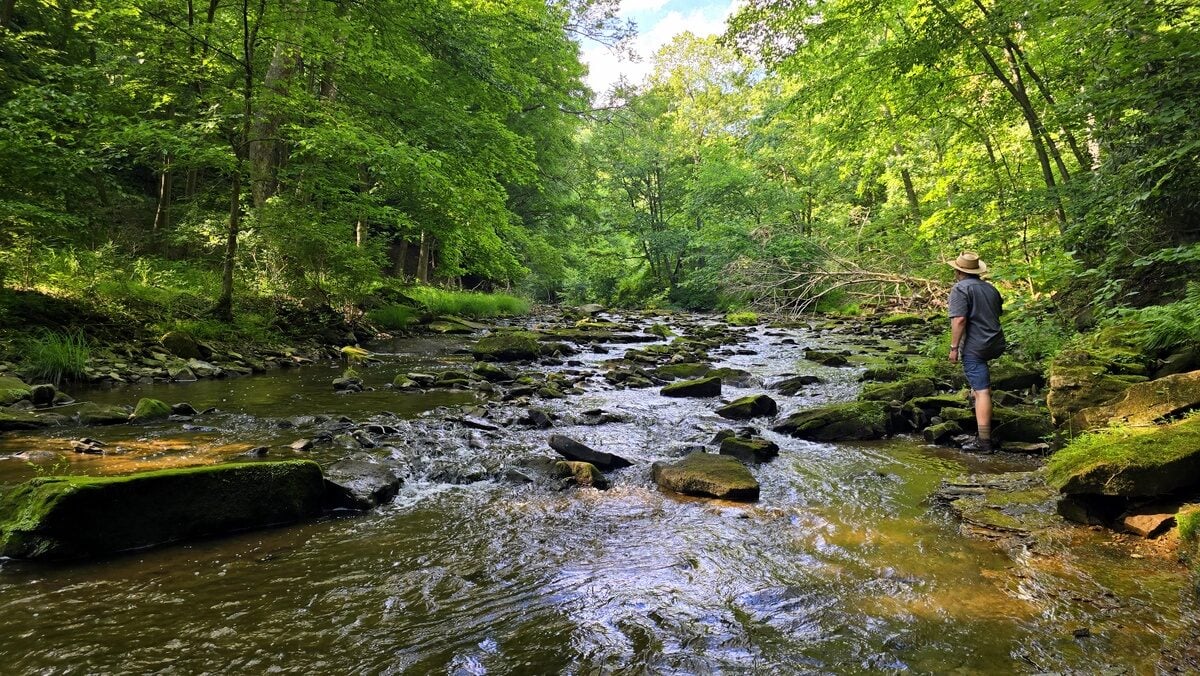
Brook trout require consistently cold water and are highly sensitive to pollution, warming temperatures, and habitat disturbance. Because of those requirements, fisheries biologists often view the fish as indicators of exceptional stream health. Waters capable of supporting native brook trout also provide habitat for numerous aquatic insects, salamanders, and other wildlife, while helping maintain downstream water quality.
Dustin Wichterman, Mid-Atlantic Coldwater Habitat Program associate with Trout Unlimited, said the project demonstrates what can be accomplished through cooperation among state agencies and conservation groups.
“West Virginia has incredible wild and native trout resources, and this partnership has helped show just that,” Wichterman said. “Our anglers, watersheds, and communities will benefit from this public-private partnership effort.”
Conservationists say protection will benefit future generations
Beyond protecting fish habitat, the expanded designation strengthens state water quality standards for the affected streams. Conservation organizations say they can provide broader benefits by safeguarding public water supplies, supporting outdoor recreation, encouraging tourism, and protecting biodiversity throughout the state’s mountain watersheds.
For visitors, these protected headwaters represent some of West Virginia’s most intact landscapes. Many flow through remote forests where hiking, wildlife viewing, and fishing remain defining experiences, particularly within and around the Monongahela National Forest.
While not every designated stream is open or suitable for fishing, their protection helps preserve the clean water and healthy ecosystems that draw outdoor enthusiasts from across the country.
Survey results were presented earlier this year during the annual meeting of the Association of Mid-Atlantic Aquatic Biologists.
For Stange, the announcement represents more than an expansion of a state list.
“These are some of West Virginia’s healthiest streams,” she said. “Recognizing and protecting them today helps ensure they’ll continue supporting wildlife, clean water, and outdoor recreation for generations to come.”
About the West Virginia Rivers Coalition
Founded in 1989, the West Virginia Rivers Coalition is a statewide nonprofit organization dedicated to protecting and restoring the state’s rivers and streams through advocacy, scientific research, education, and public engagement.
Based in Charleston, the organization works with government agencies, local communities, landowners, and conservation partners to improve water quality, safeguard aquatic ecosystems, and promote responsible stewardship of West Virginia’s watersheds.
Its initiatives include monitoring water quality, supporting watershed associations, advocating for policies that protect drinking water and public health, and conserving habitat for native fish and other aquatic wildlife.
That’s great news , I’m glad that the state agencies and the EPA are finally recognizing the importance of our mountain streams . Thank you WV Rivers Coalition and all the conservation groups for bringing this to our attention. I hope with this information we can keep them safe from future AI projects and any other projects that would bring unrepairable damage to these beautiful streams .
I am sixty two an I also have lived in Wv my whole life . I think that they shouldn’t list all the streams that contain brook trout. Because we don’t want to lose these wonderful places by having to many people visiting. Our resources are to valuable. I fishing a lot and would like to know also. Maybe better we don’t. Tim Chapman Huntington resident.
Would you list the names of the 170 miles of rivers and towns that they flow through and show them on a map please.
I have lived in Wv my entire life and I’m so happy to know these rivers are protected. Thank you to everyone involved.