
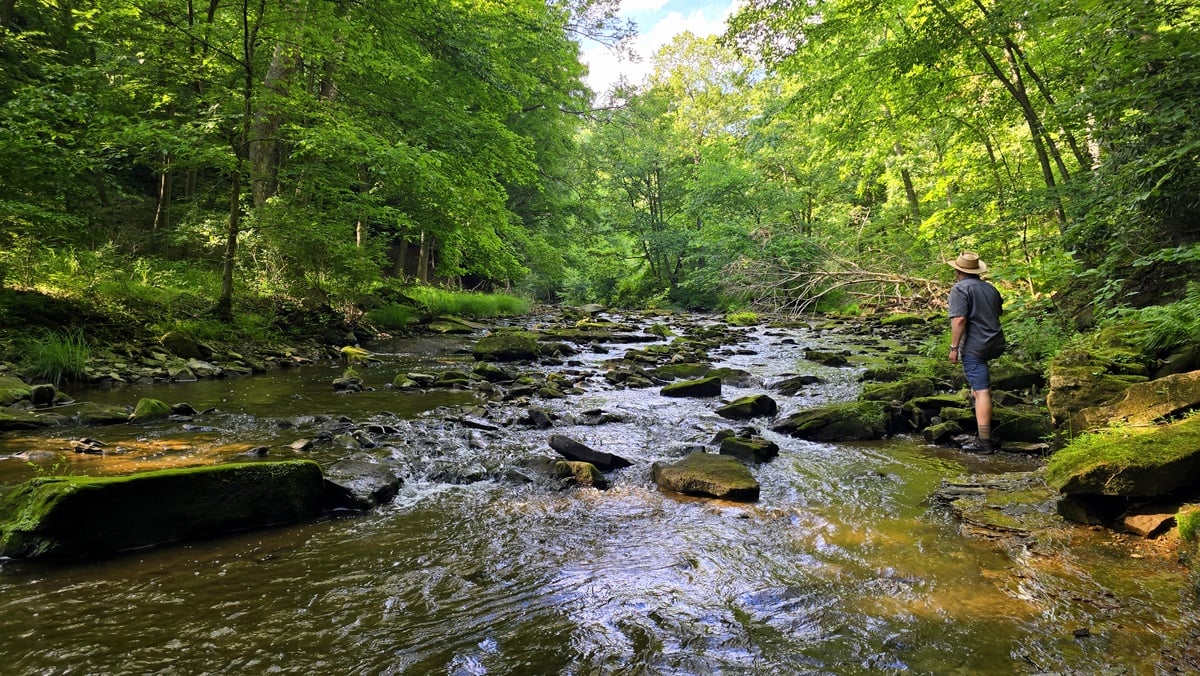
NEW MANCHESTER, W.Va. — Many visitors know Tomlinson Run State Park as West Virginia’s northernmost state park, but park officials and naturalists say its ecological significance may be even more important than its location.
The 1,398-acre park in Hancock County protects the Tomlinson Run watershed, a tributary of the Ohio River, and preserves plant and animal communities uncommon in the Northern Panhandle.
Former assistant superintendent Jesse Mestrovic said the park contains species more often associated with the higher elevations of central West Virginia.
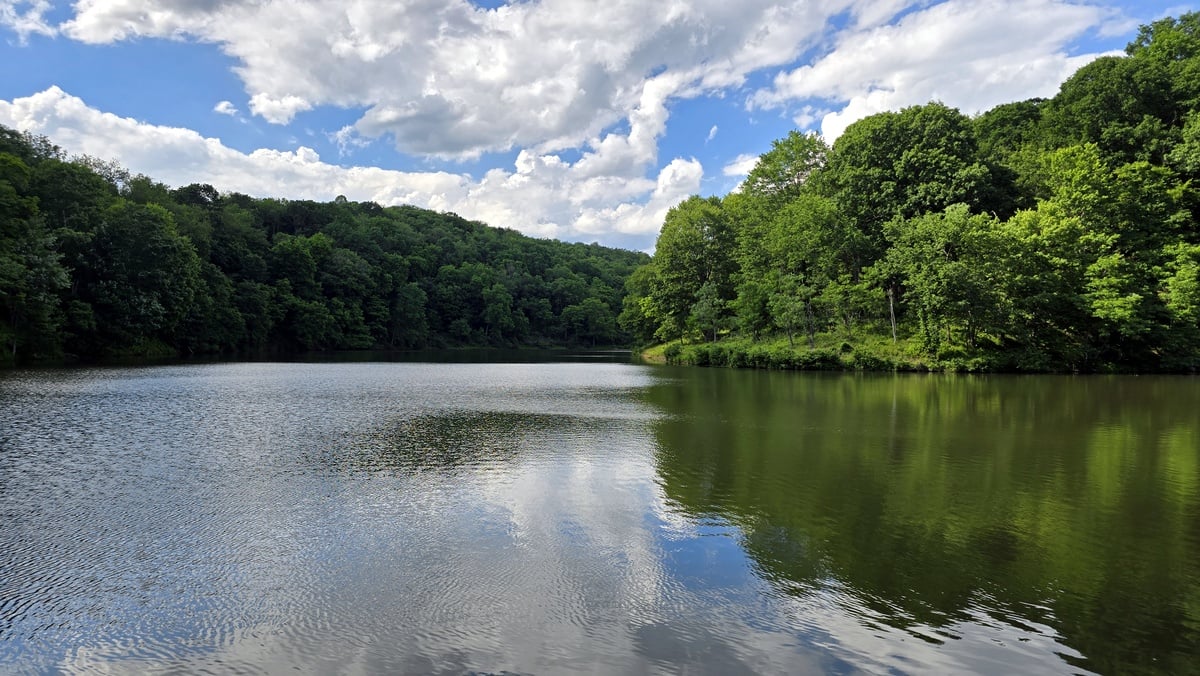
“Tomlinson Run is a microcosm of the high mountains of central West Virginia transplanted in the north,” Mestrovic said.
In its more remote corners, according to Mestrovic, visitors can find eastern hemlock, rhododendron, and spring wildflowers such as trillium growing within the park.
“You’ll find plants there you normally don’t find in the northern panhandle—hemlock, rhododendron, and wildflowers like trillium,” he said.
The park’s stream valleys and shaded ravines create cooler, wetter conditions than are typical across much of the surrounding region, helping support these plant communities.
Protecting an Ohio River Watershed
Tomlinson Run State Park occupies the watershed of Tomlinson Run, a stream that flows westward into the Ohio River. The park protects the North and South Forks of Tomlinson Run as well as the surrounding forestland.
Park Superintendent Samuel Morris said protecting the watershed benefits both wildlife and water quality.
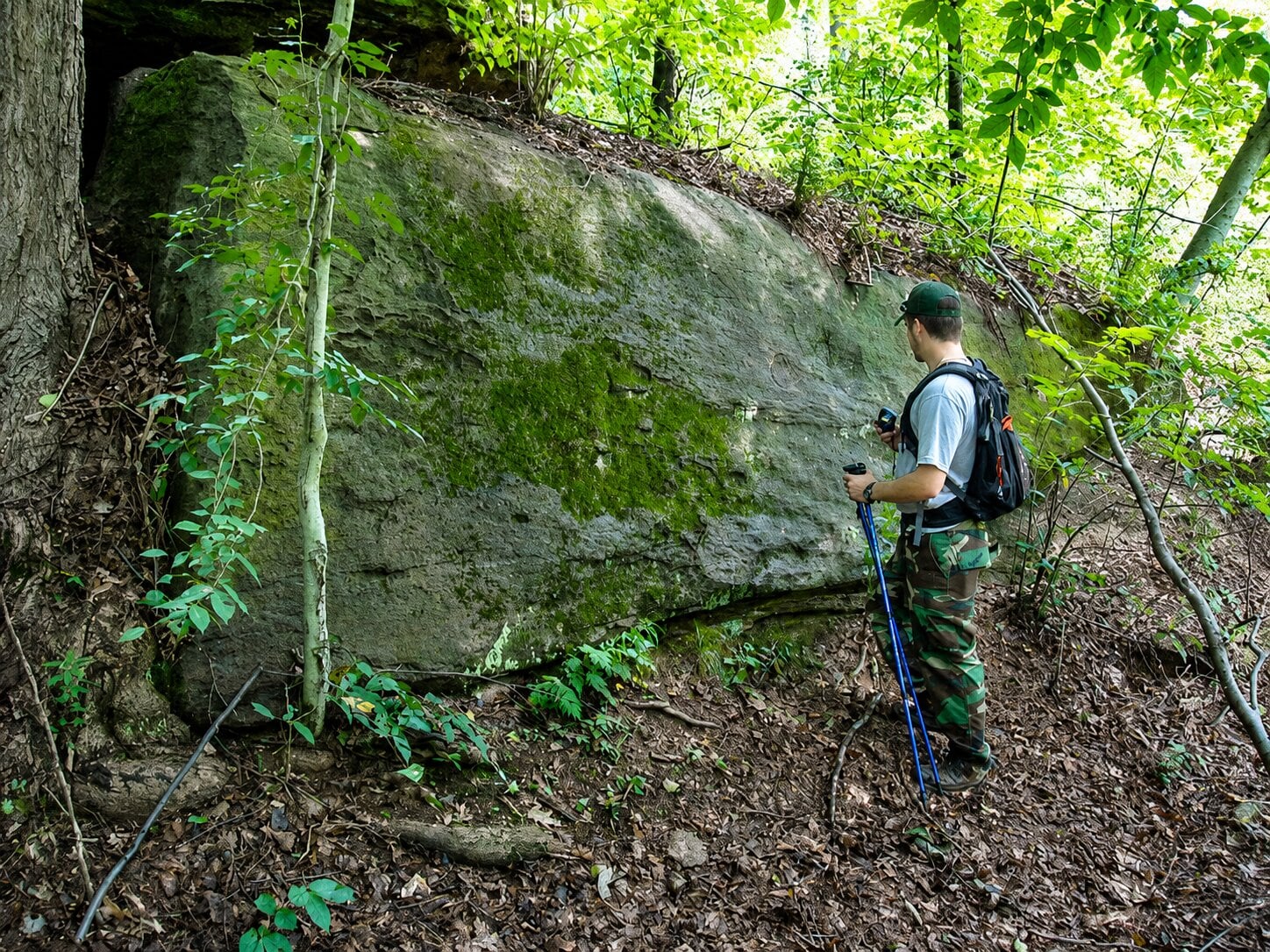
“Tomlinson Run State Park plays an important role in protecting the North and South Forks of Tomlinson Run, which are significant headwater streams of the Ohio River watershed,” Morris said.
“By preserving these forested watersheds, the park helps safeguard water quality, wildlife habitats, and natural resources that benefit the northern panhandle of West Virginia and surrounding areas.”
Forested watersheds help filter runoff, reduce erosion, and provide habitat for a variety of species. The park’s streams support fish, crayfish, amphibians, and aquatic insects, while its forests provide habitat for white-tailed deer, wild turkey, foxes, squirrels, and numerous bird species.
The park also lies within an important migration corridor associated with the Ohio River Valley.
One of the largest forest preserves in the Northern Panhandle
Tomlinson Run protects one of the largest publicly accessible forest tracts in West Virginia’s Northern Panhandle.
The region has experienced extensive agricultural, residential, industrial, and transportation development over the past two centuries, making protected forestland increasingly important for wildlife conservation.
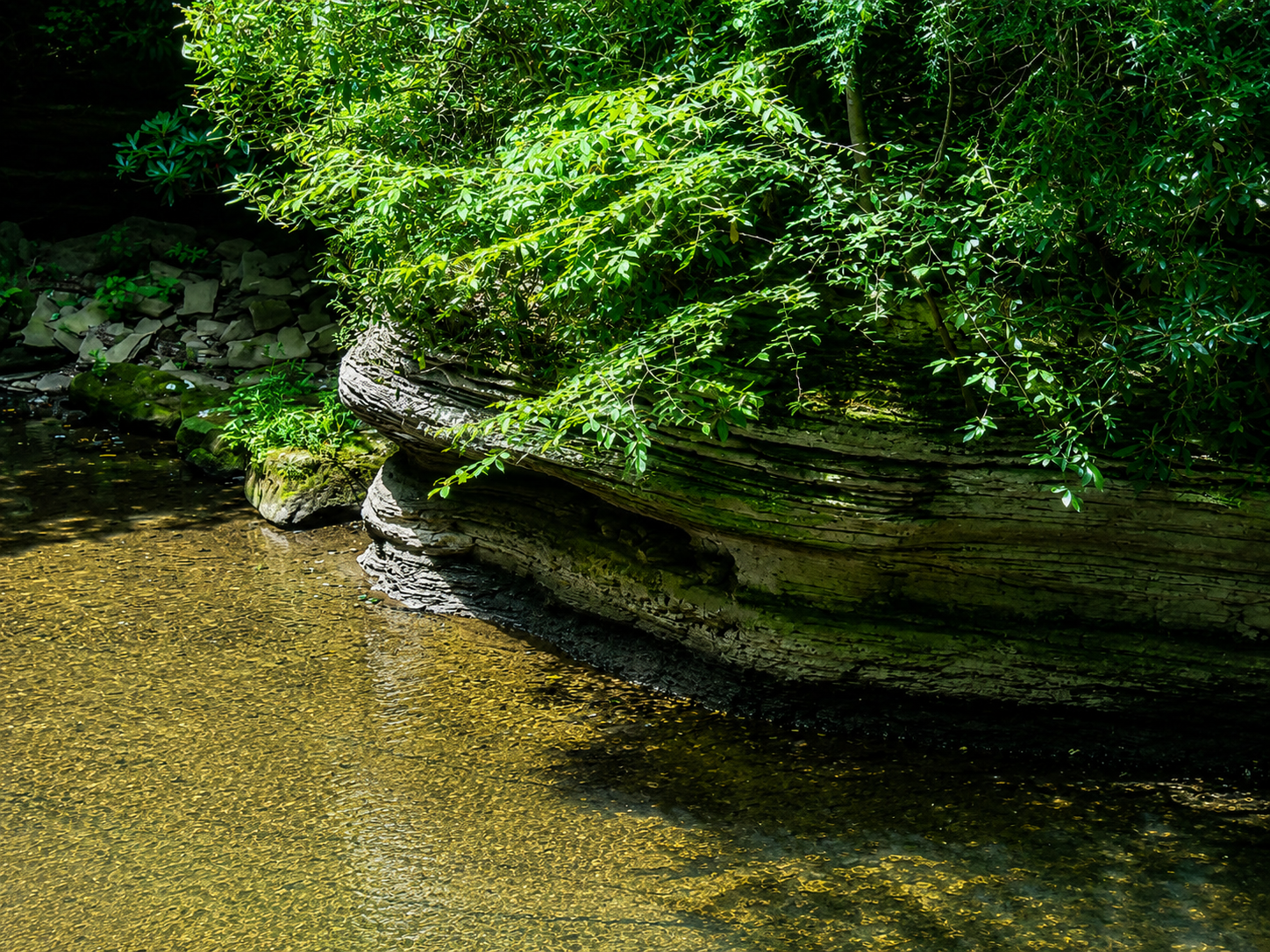
The park contains a variety of habitats, including upland hardwood forests, stream corridors, wetlands, rocky slopes, and the 30-acre Tomlinson Run Lake.
Oak, hickory, maple, tulip poplar, and beech dominate much of the forest canopy.
Conservation planning efforts in the Northern Panhandle have identified large forest blocks and intact watersheds as important priorities for maintaining biodiversity and ecological health in the region.
Built during the Great Depression
Tomlinson Run State Park was established in 1935, making it one of the oldest parks in the West Virginia state park system.
Like many state parks developed during the Great Depression, much of its early construction was completed through federal work programs that provided employment while expanding public recreation opportunities.
Workers built roads, picnic areas, trails, shelters, and other facilities that remain in use today.
Construction of Tomlinson Run Lake was completed in 1942, adding opportunities for fishing, boating, and swimming.
Many of the park’s original structures and design features remain visible and reflect the rustic style common to public works projects of the era.
Recreation and Conservation
While the park serves an important conservation role, it is also one of the most heavily used outdoor recreation areas in the Upper Ohio Valley.
Visitors come to the park for camping, fishing, boating, hiking, swimming, picnicking, and wildlife observation.
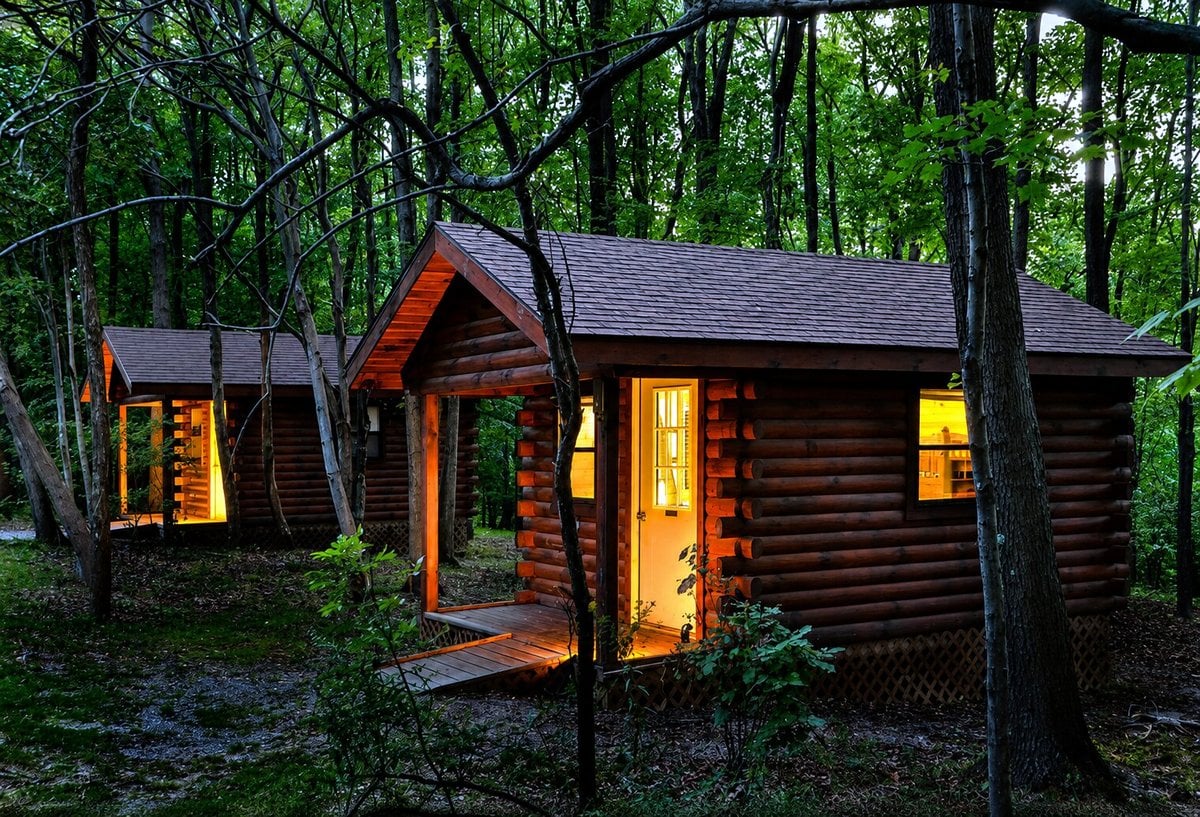
The park was also the first state park in West Virginia to offer overnight yurt accommodations.
Its location near Pittsburgh, Wheeling, Weirton, Steubenville, and East Liverpool makes it a destination for residents of three states.
Mestrovic said the park’s ecological value is often overlooked by visitors focused on its recreational opportunities.
Although many state parks are known for scenic overlooks, waterfalls, or historic sites, Tomlinson Run’s significance lies largely in protecting a relatively intact watershed and forest ecosystem in one of West Virginia’s most developed regions.
Nearly 100 years after its establishment, the park continues to preserve natural resources while providing public access to outdoor recreation in the Northern Panhandle.
Visiting Tomlinson Run State Park and Hancock County
For more information on visiting Tomlinson Run State Park and Hancock County, contact the Top-of-West Virginia Convention and Visitors Bureau.
Where’s the glade my dad took me there when I was s little girl I’m 78 it was always warm even in the winter and exotic plants grew there
If your talking about where the bass ponds were, the state did away with them when they did the stream improvement project. because they needed dredged out also and they wouldn’t spend the extra money. The lake needs dredged out again. There is a mud island where the road crosses over the creek. They built handicap accessible fishing platforms along the creek to the lake but they’re 10-12 feet from the creek. They blamed it on the contractor.