
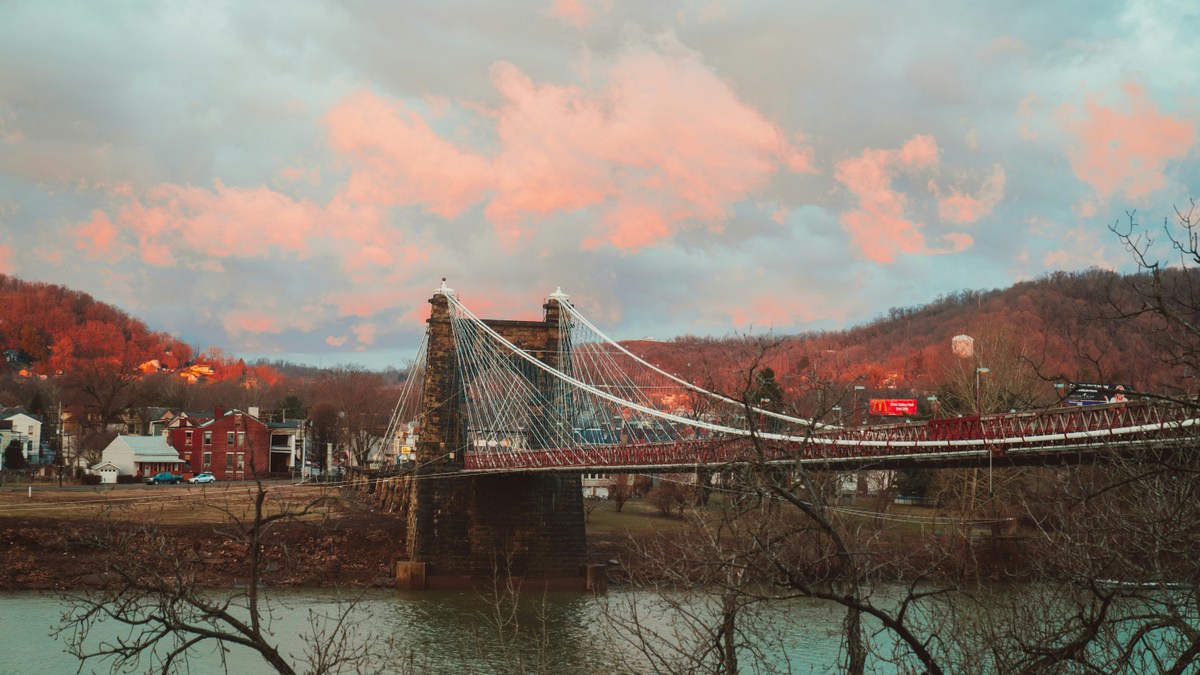
Northern Panhandle real estate in West Virginia notably includes farms and hunting properties, as well as urban and suburban homes for sale in and near Wheeling, Weirton, New Martinsville, Moundsville, and New Cumberland.
Northern Panhandle Real Estate Sponsors
David Sibray, Foxfire Realty
Phone: (304) 575-7390
Historian and publisher David Sibray has made a life’s work of promoting West Virginia and its landscape, as a marketer of tourism and of farms, forests, and fine homes. An expert in historic preservation, he serves on the board of the state’s Preservation Alliance and brings a wealth of knowledge to the sale of heritage properties and Northern Panhandle Real Estate.
North Panhandle Real Estate in West Virginia
North Panhandle real estate in West Virginia includes urban and suburban homes, historic properties, farms, recreational land, commercial developments, and riverfront properties in and around Wheeling, Weirton, Moundsville, New Martinsville, Wellsburg, and New Cumberland. Located in the state’s narrow northern extension between Ohio and Pennsylvania, the region offers a distinctive blend of industrial heritage, small-town character, agricultural landscapes, and proximity to major metropolitan centers such as Pittsburgh. The area attracts homebuyers seeking affordable housing, investors interested in redevelopment opportunities, and landowners drawn to its productive farmland and scenic Ohio Valley setting.
Geography and Housing Characteristics
The North Panhandle generally encompasses Hancock, Brooke, Ohio, and Marshall counties, while Wetzel County is often included in broader Ohio Valley Real Estate discussions due to its economic and geographic ties to the region. Along the Ohio River, the area features river valleys, rolling ridges, productive farmland, and historic communities that developed during the industrial expansion of the nineteenth and twentieth centuries.
The housing stock ranges from Victorian-era residences in Wheeling and Wellsburg to mid-century suburban neighborhoods in Weirton and Moundsville, as well as newer residential developments near major transportation corridors. Rural portions of the region offer farmsteads, hunting properties, and large-acreage tracts that appeal to agricultural producers and outdoor enthusiasts.
Economic Influences on the Market
Historically associated with steel manufacturing, glass production, coal mining, and river commerce, the North Panhandle’s real estate market continues to be influenced by its industrial legacy. Economic activity today is supported by manufacturing, healthcare, education, logistics, energy production, and natural gas development.
The region’s location within the broader Pittsburgh metropolitan area provides access to employment opportunities while maintaining housing costs generally lower than those in neighboring Pennsylvania communities. Transportation infrastructure, including Interstate 70, U.S. Route 22, Interstate 470, and the Ohio River navigation system, further enhances the market’s appeal for residential and commercial development.

Historic and Urban Properties
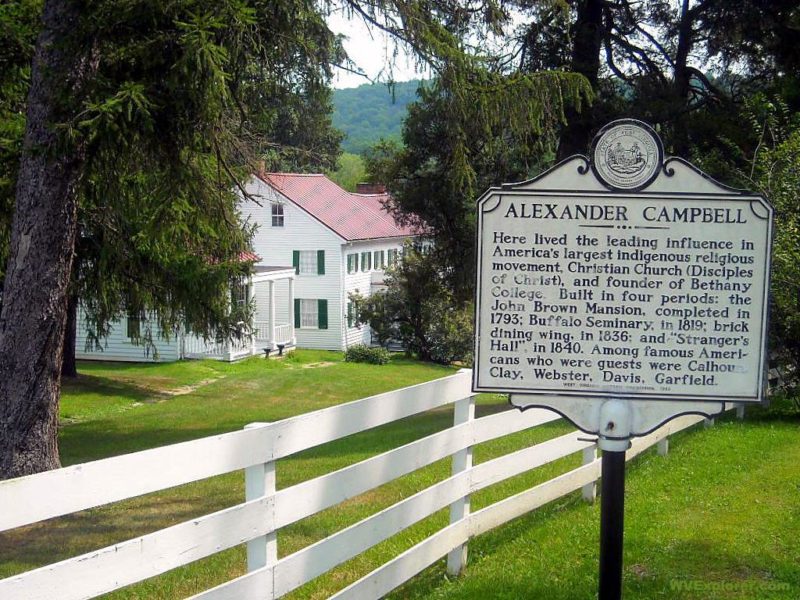
The region is home to some of West Virginia’s most significant historic communities. Wheeling, once one of the state’s largest cities and an important industrial center, is known for its extensive collection of nineteenth-century architecture, historic districts, and restored commercial buildings. Communities such as Wellsburg, Bethany, Moundsville, and New Cumberland also feature historic homes and neighborhoods that reflect the area’s long history of settlement.
Preservation efforts have spurred reinvestment in many older properties, attracting buyers interested in heritage architecture and adaptive reuse projects. Historic commercial buildings and former industrial sites have likewise become targets for redevelopment and mixed-use investment.
Farms, Recreation, and Rural Land
Outside the Ohio River corridor, much of the North Panhandle remains rural. Agricultural properties support livestock, hay, and specialty farming, while wooded hillsides offer opportunities for hunting, recreation, and conservation. Large tracts in Marshall and Wetzel counties often attract buyers seeking recreational retreats, hunting land, timber resources, or rural homesites.
The region’s network of rivers, streams, parks, and wildlife areas further fuels demand for recreational real estate. Rural properties often combine residential, agricultural, and recreational uses, reflecting the region’s longstanding relationship with the land.
Contemporary Trends
Like many regions of West Virginia, the North Panhandle has benefited from growing interest among remote workers, retirees, and buyers seeking affordable alternatives to larger metropolitan housing markets. Proximity to Pittsburgh, access to interstate highways, and a relatively low cost of living have fueled renewed interest in residential properties across the region.
Communities along the Ohio River continue to pursue downtown revitalization, while rural areas attract buyers seeking privacy, outdoor recreation, and larger landholdings. As a result, North Panhandle real estate remains an important part of the region’s economy and an enduring reflection of its industrial heritage, agricultural traditions, and strategic location along one of America’s historic river corridors.
Since 2020, the remote work revolution has dramatically changed the Northern Panhandle real estate market, according to David Sibray, a real estate agent with Foxfire Realty and publisher of West Virginia Explorer. “Rural benefits and proximity to major cities like Pittsburgh and Columbus have changed the Northern Panhandle real estate market dramatically,” Sibray said.
The Northern Panhandle Real Estate Market
All or part of the following counties may be considered to be part of the Northern Panhandle Real Estate region—Marshall County, Brooke County, Ohio County, Hancock County, and parts of Wetzel County.