
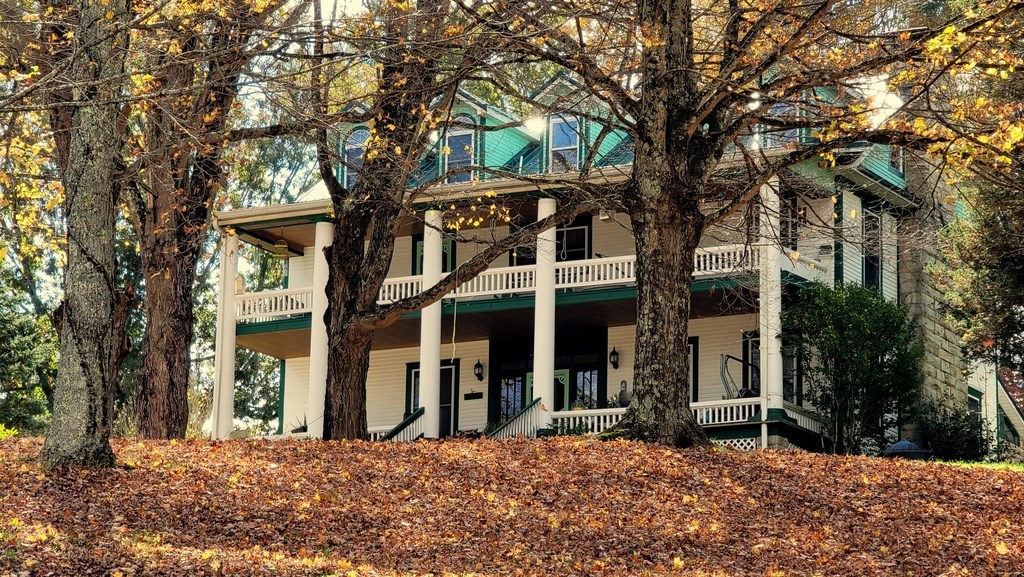
Southern Coalfields real estate includes hunting properties, recreational properties, and homes for sale in historic neighborhoods in and near Welch, Logan, Pineville, and Williamson in southwestern West Virginia and along the Hatfield McCoy Trails. The region is known for its mountainous and evocative Appalachian landscapes. Much of it is densely forested. Coal mining for more than 100 years has been the principal industry in the area, followed closely by timbering. Recreational real estate, however, is increasingly available.

Participating Southern Coalfields Real Estate Agents
David Sibray, Foxfire Realty
Phone: (304) 575-7390
Historian and publisher David Sibray has made a life’s work of promoting West Virginia and its landscape, as a marketer of tourism and of farms, forests, and fine homes. An expert in historic preservation, he serves on the board of the state’s Preservation Alliance and brings a wealth of knowledge to the sale of heritage properties.
Kenny Bryant: Coldwell Banker: Mountaineer
Phone: (304) 254-9898
Expect no surprises with a Coldwell Banker Mountaineer Real Estate agent, the top-trained and most educated agents in the industry. We keep the pulse of market trends, lender requirements, and specifications. You’ll be well informed of what to expect, and whether buying or selling, residential or commercial, your transaction will be handled with care.
More about Southern Coalfields Real Estate
Southern Coalfields real estate encompasses residential, commercial, recreational, agricultural, and investment properties throughout the coal-producing counties of southern West Virginia. Closely associated with the Hatfield McCoy Trails region, the area includes portions of Boone, Logan, McDowell, Mercer, Mingo, Wayne, and Wyoming counties, where rugged mountain landscapes, coal-mining heritage, and growing tourism industries have shaped real estate development for more than a century.
The region’s real estate market reflects the distinctive history of the Appalachian coalfields. Historic company towns, small mountain communities, forested ridges, agricultural valleys, and former mining properties create a diverse inventory of homes, land, and commercial opportunities. In recent decades, tourism associated with the Hatfield–McCoy Trails and related outdoor recreation has emerged as an increasingly important influence on property ownership and development throughout the region.
Historical Development
Real estate development in the southern coalfields accelerated during the late nineteenth and early twentieth centuries as coal companies acquired mineral rights and established mining communities throughout the region. Railroads penetrated remote valleys, leading to the creation of company towns that included worker housing, commercial districts, schools, churches, and industrial facilities.
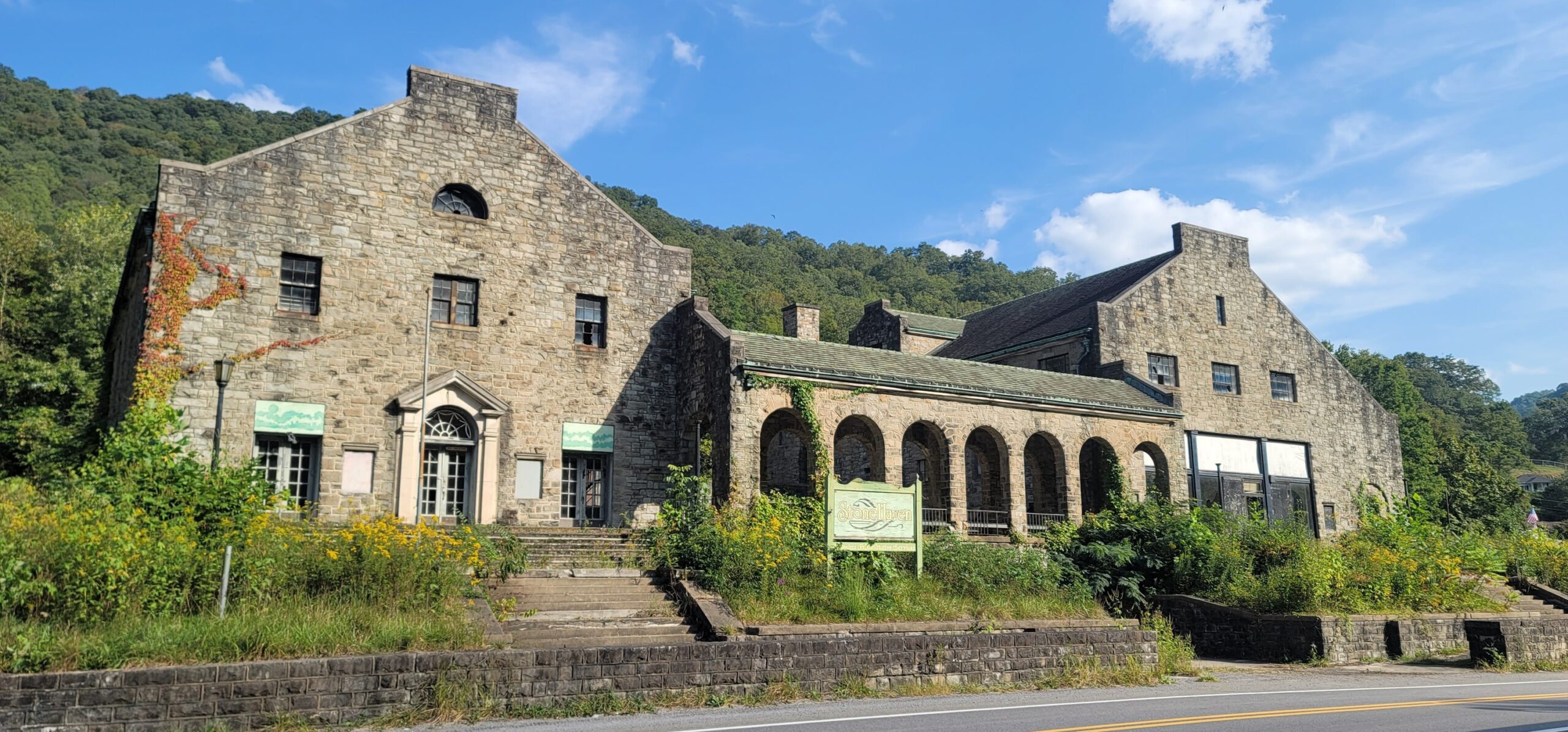
Communities such as Williamson, Welch, Logan, Matewan, Mullens, and Bluefield became important commercial and transportation centers serving the coal industry. Residential development often followed the narrow valleys carved by rivers and streams, while the surrounding mountains remained heavily forested and sparsely populated.
The region also became nationally known through the feud between the Hatfields and McCoys, a series of conflicts involving families living along the West Virginia border with Kentucky during the late nineteenth century. The feud has remained an enduring cultural symbol of the area and later became a foundation for heritage tourism and recreation-related economic development.
Residential Real Estate
Residential real estate in the state’s southern coalfields ranges from historic homes in established towns to rural farmhouses and secluded mountain properties. Many communities contain housing built during the coal industry’s peak years, including early twentieth-century residences that reflect the architectural styles of the mining era.
Property values have traditionally remained lower than those in many other regions of West Virginia and the eastern United States, creating opportunities for homebuyers seeking affordable housing or large tracts of land. Rural properties often include wooded acreage suitable for hunting, recreation, or timber management.
In recent years, growing interest from retirees, outdoor enthusiasts, and remote workers has increased demand for selected properties near recreation destinations and trail systems. Many homes are being bought and sold near the Hatfield McCoy Trails.
Recreational and Tourism-Oriented Properties
Tourism has become an increasingly important component of the regional real estate market. The Hatfield McCoy Trails system, one of the nation’s largest off-highway trail networks, extends through multiple counties and attracts visitors from across the United States. The trail network has encouraged investment in cabins, vacation rentals, campgrounds, lodging facilities, and tourism-related businesses. The system was originally developed as an economic diversification project for coalfield communities and now generates substantial visitor spending throughout southern West Virginia.
Communities with direct trail access have experienced increased interest in recreational properties, including vacation homes and short-term rental investments. Local business owners and real estate professionals have reported growing demand from out-of-state visitors seeking lodging, second homes, and retirement properties near the trail system.
Land and Natural Resource Properties
Large tracts of undeveloped land remain a defining feature of southern coalfields real estate. Forestland, former mining properties, hunting preserves, and recreational acreage are common throughout the region. Many properties contain significant timber resources, while others offer opportunities for outdoor recreation, conservation, or future development.
The mountainous terrain and extensive forest cover have helped preserve substantial areas of undeveloped land, contributing to the region’s appeal among buyers seeking privacy and access to nature.
Commercial Real Estate
Commercial real estate is concentrated primarily in regional centers such as Williamson, Logan, Bluefield, and Welch. Retail establishments, healthcare facilities, professional offices, hospitality businesses, and industrial properties form the core of the commercial market.
Tourism-related enterprises have become increasingly visible in communities connected to the Hatfield McCoy Trails. Restaurants, equipment rental businesses, lodging facilities, campgrounds, and mixed-use developments have expanded in response to visitor demand. Several towns have adopted ATV-friendly policies that allow riders direct access to local businesses, further strengthening the relationship between recreation and commercial development.
Market Characteristics
The Southern Coalfields remain among the most affordable real estate markets in Appalachia. Housing costs generally remain below the statewide and national averages, while land values vary with accessibility, recreational opportunities, and proximity to population centers.
Properties located near major trailheads, tourism destinations, and transportation corridors often command higher prices than similar properties in more remote areas. The continued growth of outdoor recreation and heritage tourism has created new investment opportunities that complement the region’s traditional resource-based economy.
Economic Significance
Real estate contributes significantly to the economic diversification of the Southern Coalfields. Residential construction, tourism development, property management, hospitality services, and land investment provide economic activity alongside traditional industries. As recreation and heritage tourism continue to expand, the region’s real estate market increasingly reflects a transition from a coal-centered economy toward one supported by outdoor recreation, cultural heritage, and rural lifestyle amenities.
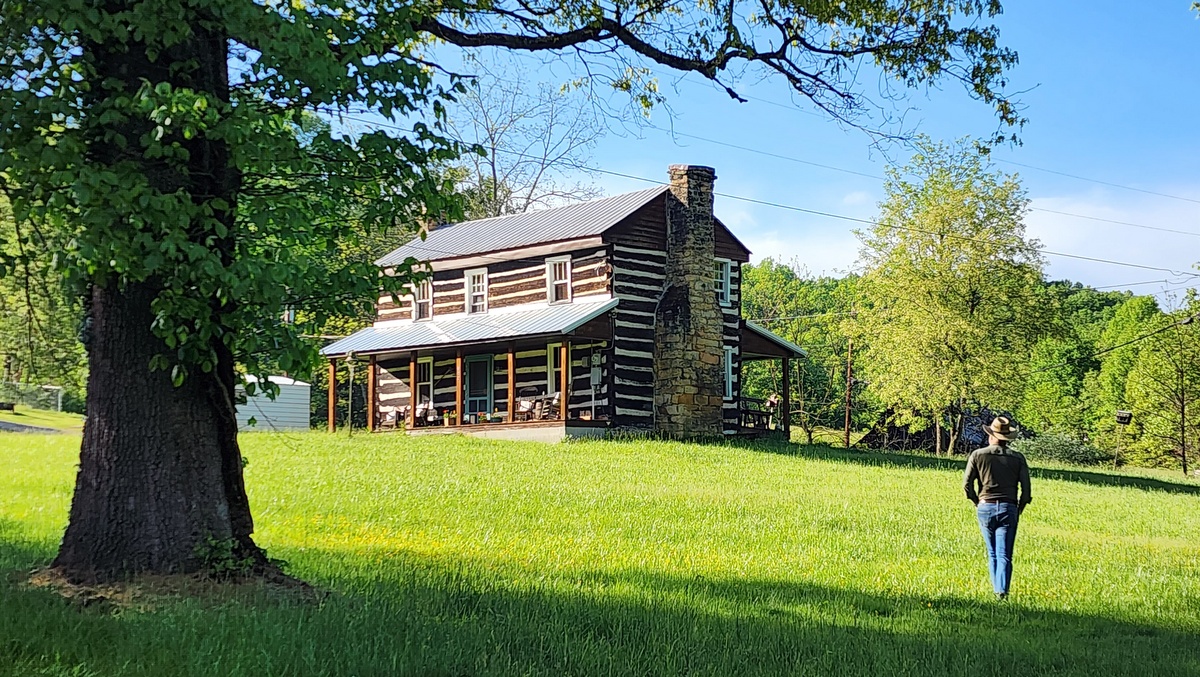
The combination of scenic mountain landscapes, rich industrial history, affordable property values, and the enduring identity of the Hatfield–McCoy region has established Southern Coalfields real estate as a distinctive segment of West Virginia’s property market.
Since 2020, the remote work revolution has dramatically changed the southern coalfields real estate market, according to David Sibray, a real estate agent with Foxfire Realty and publisher of West Virginia Explorer. “Rural benefits have changed southern coalfields real estate in a manner real estate brokers haven’t witnessed in more than a century,” Sibray said.
The West Virginia Southern Coalfields Real Estate Market
All or part of the following counties are located within the Southern Coalfield Real Estate region and near the Hatfield McCoy Trails in West Virginia—Boone County, Fayette County, Kanawha County, Logan County, Mercer County, McDowell County, Mingo County, Raleigh County, Wayne County, Wyoming County.