
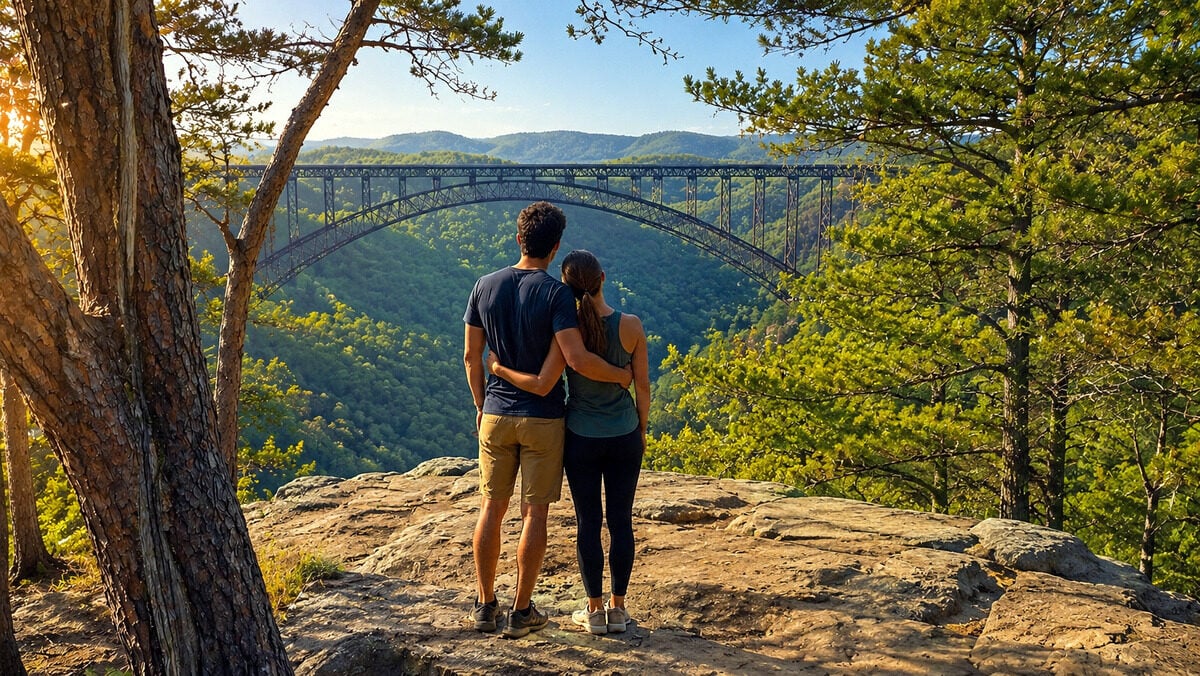
FAYETTEVILLE, W.Va. — For many visitors, the New River begins and ends at the New River Gorge National Park and Preserve in southern West Virginia.

They come to see the soaring steel arch of the New River Gorge Bridge, raft some of the most renowned whitewater in the eastern United States, and hike trails overlooking one of Appalachia’s deepest river canyons.
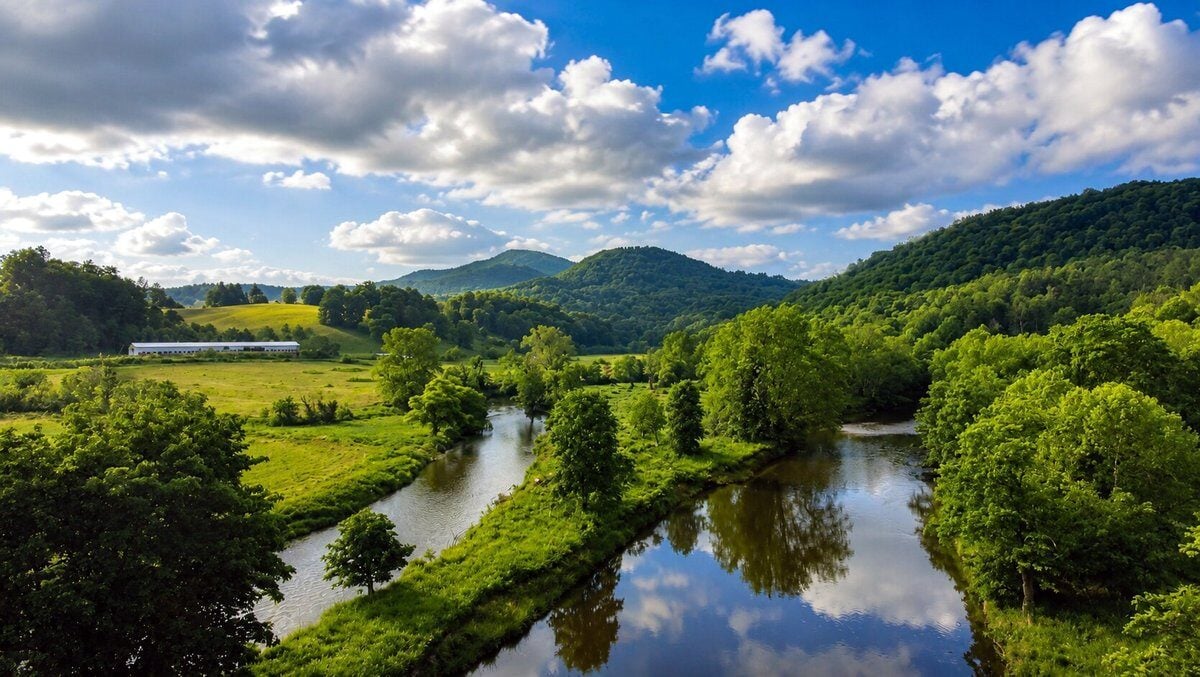
What many never realize is that the gorge represents only a small section of a river that flows roughly 360 miles through North Carolina, Virginia, and West Virginia before joining the Gauley River to form the Kanawha.
According to Lisa Galitz, marketing director for the New River Conservancy, that misunderstanding is common, even among people who live within the watershed.
“Tourists visiting the New River Gorge sometimes have no idea, or they don’t remember, that there are more than 300 miles of beautiful river upstream,” Galitz said.
“Whitewater rafting guides in the New River Gorge talk about the ‘upper river,’ but they’re really talking about the upper whitewater rafting section in the gorge. There’s a magical “upper river” upstream that wanders through every kind of Appalachian landscape.”
This summer, the conservancy hopes to draw attention to that broader story through the New River Expedition 2026.
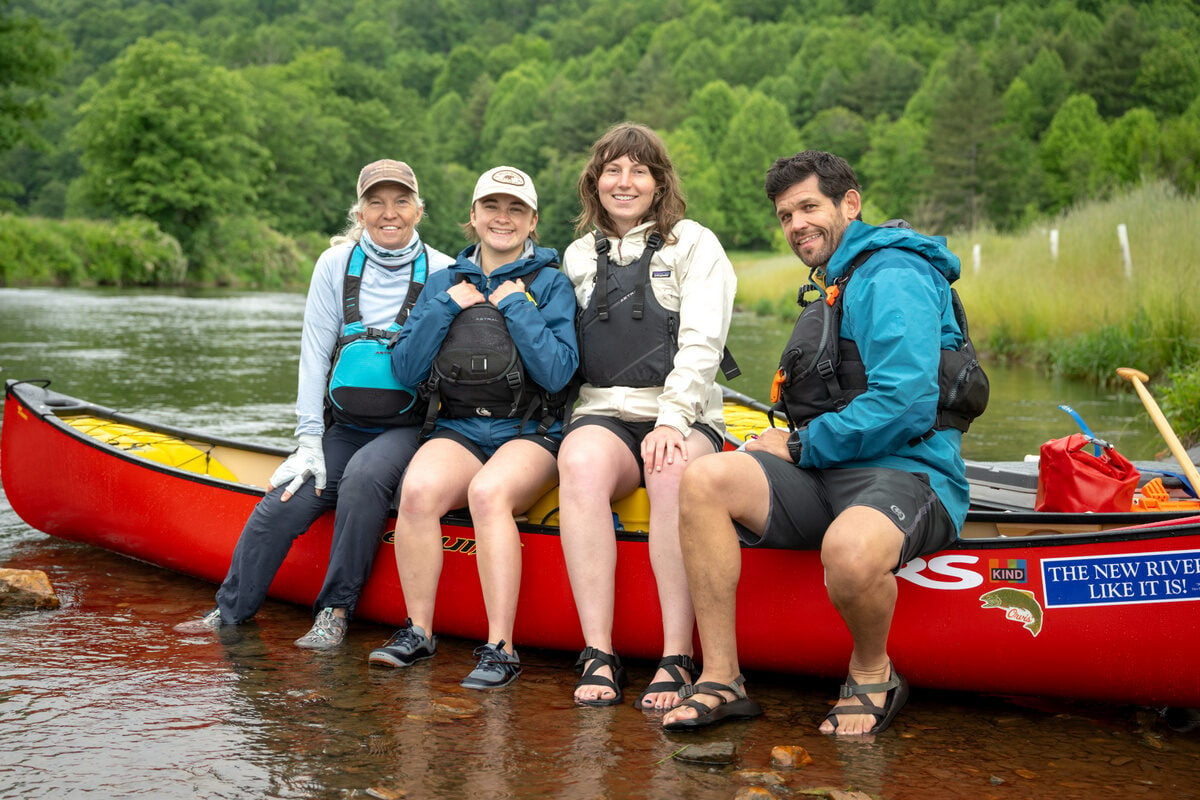
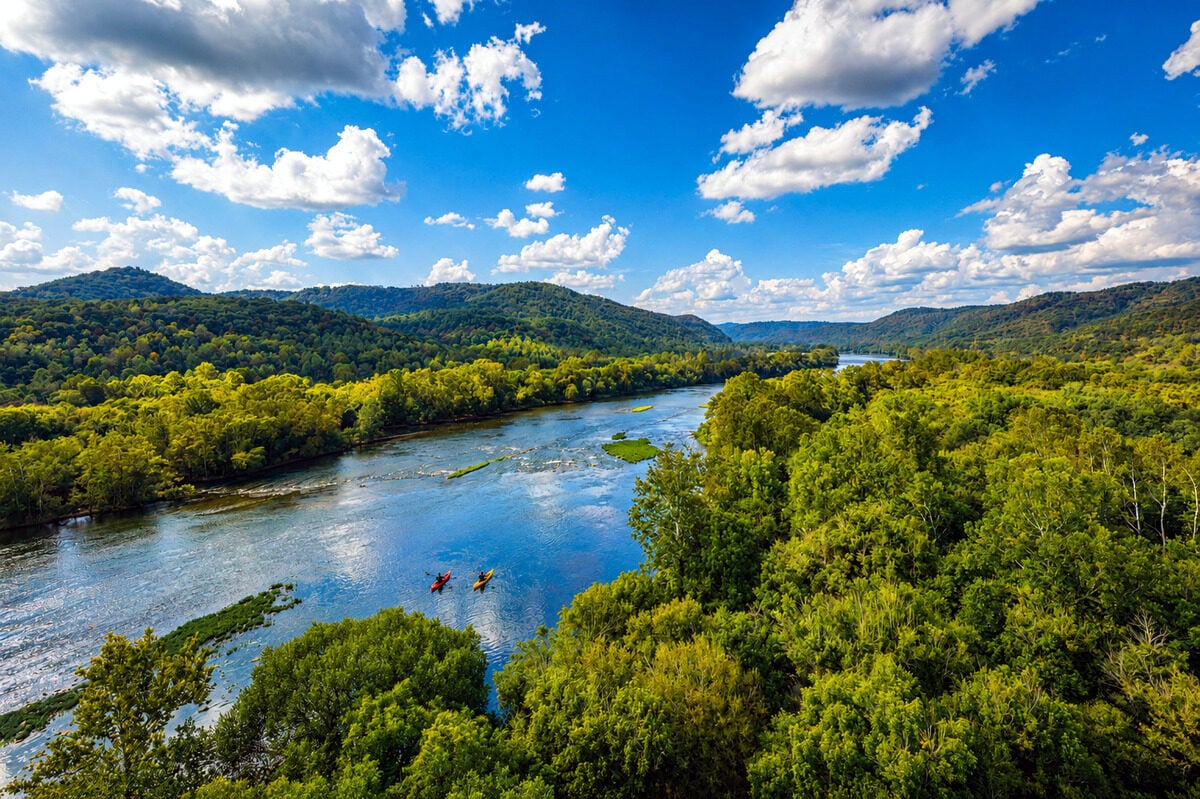
A four-person team is paddling 320 miles of the New, documenting access points, campsites, paddling conditions, and conservation opportunities while introducing followers to stretches of the river rarely seen by tourists.
“We want people to experience the expedition vicariously because they are going places that many, many people don’t get to see,” Galitz said.
The New River begins long before the gorge
Long before it reaches West Virginia and the New River Gorge, the river winds through farmland, forests, mountain valleys, and idyllic small communities in Virginia and North Carolina.
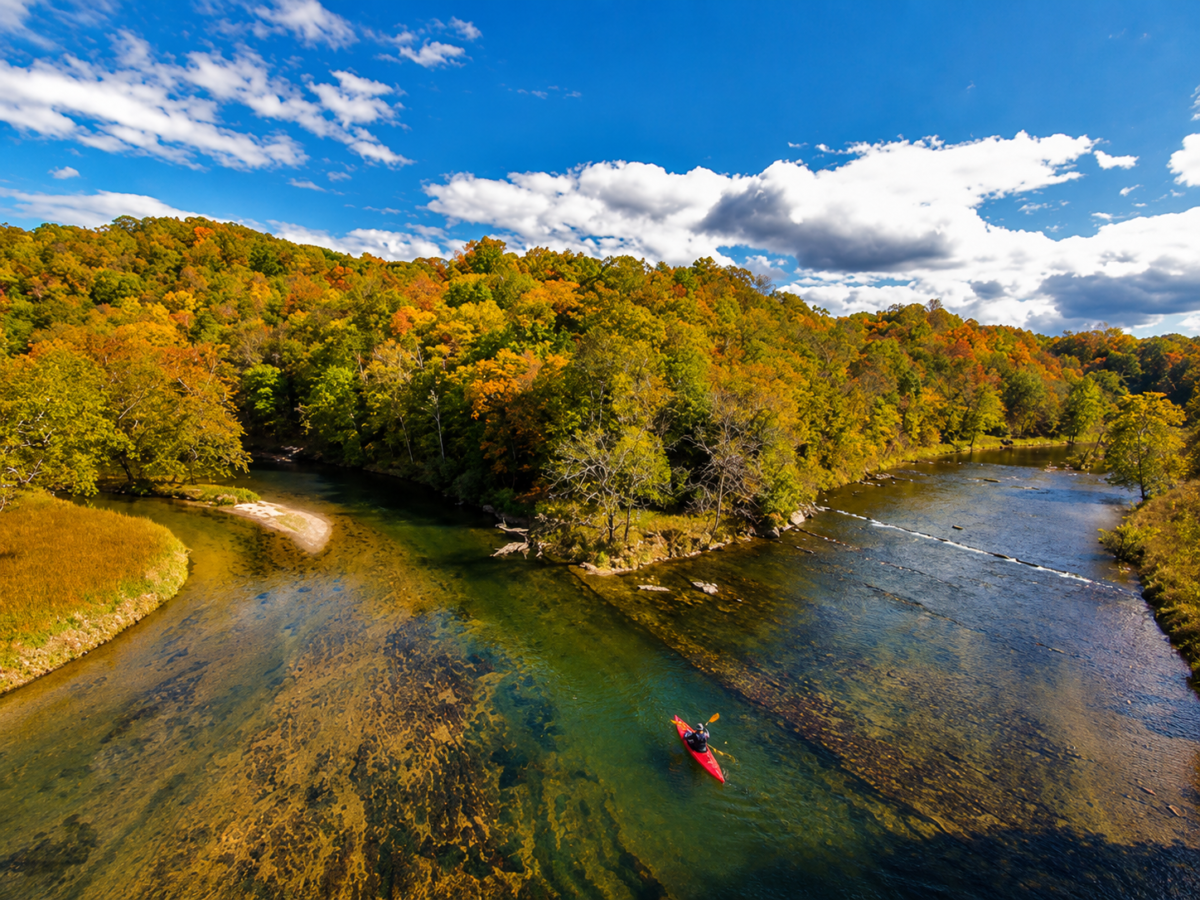
Its journey begins where its north and south forks converge in Ashe County, North Carolina. There, it already showcases the scenery and recreational opportunities that helped inspire the creation of New River State Park, which protects nearly 3,000 acres of scenic riverside along the forks.
Flowing north into Virginia, it meanders for more than 100 miles through rural countryside. Along the way, it passes through New River Trail State Park, where a 57-mile rail trail follows the river through some of the region’s most scenic landscapes.
Much of this stretch remains unfamiliar to visitors whose experience of the river begins at the gorge.
“A lot of people don’t go near Mouth of Wilson,” Galitz said. “A lot of people fish, but they’re not paddling, so they’re not getting the whole experience.”
So far, the expedition, also known as NRX26, has traveled through remote sections of the river and communities that many paddlers, anglers, and tourists never encounter. By documenting the river mile by mile, the team hopes to reveal a side of the watershed that often goes unnoticed.
One of the expedition’s goals is to help people see the New not as a series of isolated destinations but as a single, connected landscape spanning three states.
Building a 360-mile water trail
The expedition is part of a broader effort by the conservancy to establish a continuous water trail spanning much of the river’s watershed.
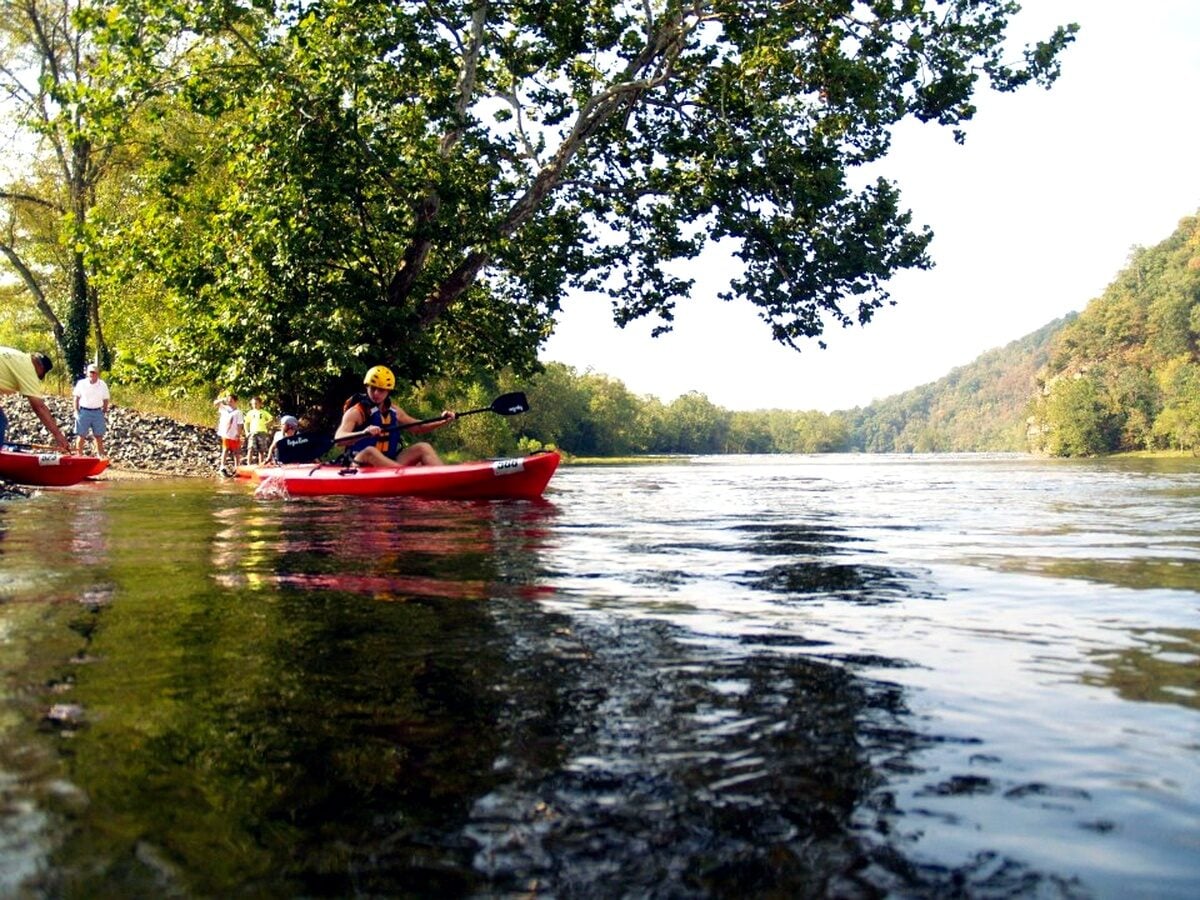
“The water trail currently established on the New is in bits and pieces,” Galitz said. “There isn’t currently a comprehensive, one-piece New River Water Trail, and we’d like to change that.”
Supported in part by an Appalachian Regional Commission grant, the project is helping the conservancy identify locations where additional river access points, campsites, signage, and portage routes may be needed to better connect paddlers to the river.
At the same time, the organization is evaluating existing facilities to determine where improvements could make the river more accessible and easier to navigate for both experienced paddlers and families.
The effort is intended to do more than expand recreational opportunities. Conservancy leaders hope that greater access to the river will encourage more people to develop a lasting connection to the watershed and its conservation.
“You have to fall in love with something,” Galitz said. “It’s an introduction to some people, but it’s a reintroduction to other people.”

By tracing the river from its headwaters to the New River Gorge, the expedition aims to show that the river is more than a collection of popular destinations. It is a single watershed linking communities, landscapes, and ecosystems across three Appalachian states.
The river that nearly changed forever
The expedition also highlights a chapter of New River history that many visitors never hear about.
Decades before the river became known for recreation and conservation, large sections of the New were threatened by hydroelectric dam projects that would have flooded valleys, farms, communities, and miles of free-flowing river.
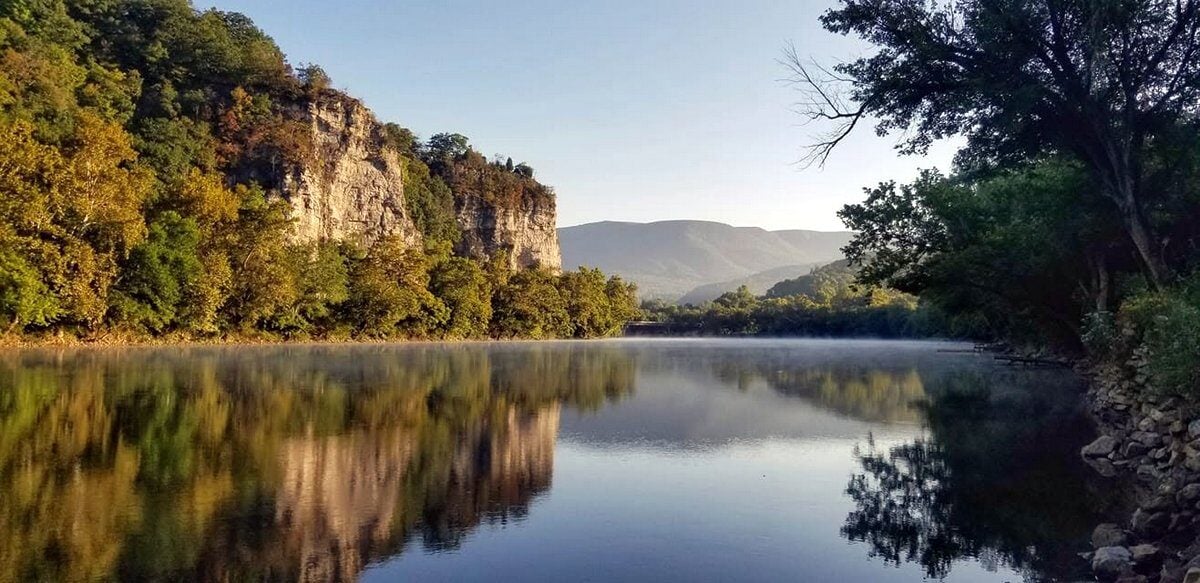
The New River Conservancy traces its origins to opposition to the Blue Ridge Project, a proposal to build a series of dams on the river in Virginia and North Carolina.
“One of the dams they wanted to build would have been 300 feet tall,” Galitz said. “The Statue of Liberty is 305 feet tall.”
The proposal sparked years of resistance from landowners and local residents concerned about losing homes, farmland, and riverfront communities.
“It took 14 years,” Galitz said. “People were pretty fed up with government agencies coming and taking their land.”
The campaign ultimately helped give rise to the organization that became New River Conservancy and played a role in securing federal protections for portions of the river. The movement also contributed to broader conservation efforts that eventually led to the establishment of the New River Gorge as a protected national park and preserve.
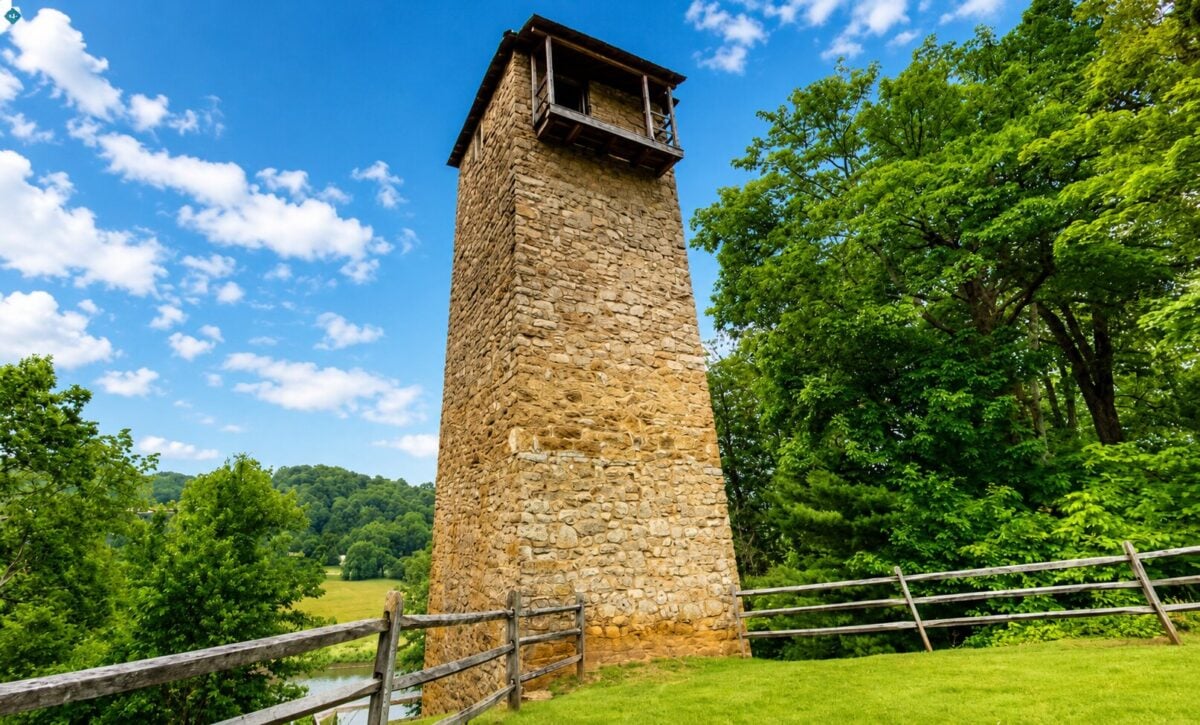
In 1998, the New River was officially designated as an American Heritage River to help protect its natural, economic, and cultural resources.
As the expedition moves downstream, paddlers pass places where the landscape could look dramatically different today if those projects had moved forward.
More than a river
For Galitz, the New River is a source of regional identity that connects communities across three states. She points to the number of businesses, parks, campgrounds, and organizations that incorporate the river’s name, reflecting how deeply it is woven into local culture.
One expedition participant recently remarked on the pattern while traveling downstream.
“Business owners are marketing under the name ‘New River,'” Galitz said. “‘New River Dental,’ ‘New River Campground,’ ‘New River Car Rentals.’ We’re proud of that.”
That pride extends beyond tourism and recreation. For generations, the river has helped shape the communities that developed along its banks, serving as a geographic and cultural landmark for residents throughout the watershed.
Its influence remains evident today. In southern West Virginia, communities in the New River Gorge region are working together through an initiative known as New River Gorge Towns, reflecting the river’s continuing role as a unifying force.
For Galitz, that shared identity is one reason the expedition matters. By tracing the river from its headwaters to the gorge, the team hopes to remind people that the river is a common thread linking hundreds of miles of Appalachian communities.
Why the New River watershed matters
The New River watershed supports a remarkable variety of plants and animals, including species found nowhere else in the world.
Galitz cited the endangered candy darter and the eastern hellbender as examples of the river’s ecological significance. She believes that helping people experience more of the watershed can also inspire a stronger commitment to protecting it.
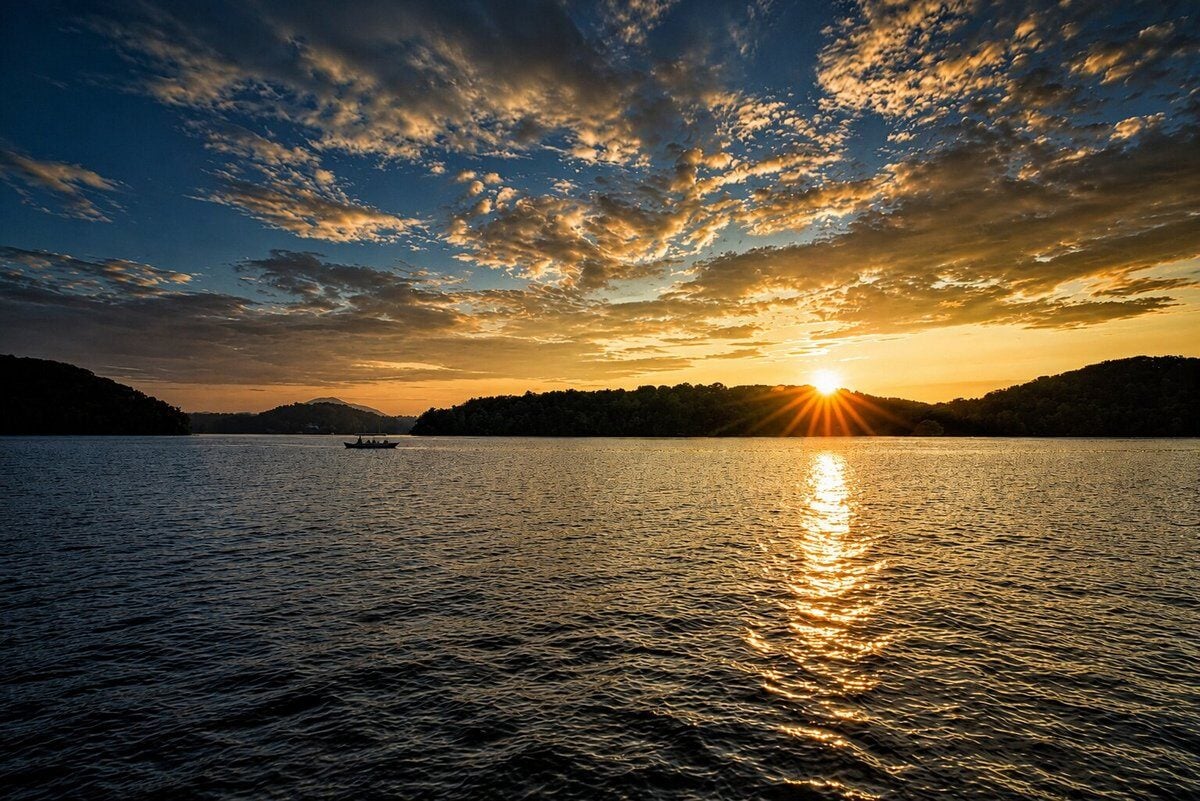
“I think that getting to know the New River is just going to add to that pride once people realize what an incredible place it is,” she said.
For Galitz, however, conservation is not an abstract goal. It is a responsibility to future generations.
“I want the grandchildren of my great-grandchildren to be able to swim in these waters,” Galitz said. “If the water’s not clean, they can’t swim in it.”
As visitation continues to grow at the New River Gorge National Park and Preserve, Galitz hopes more travelers will venture beyond the bridge, the rapids, and the overlooks to discover the rest of the river.
They may find that the river is far more than a national park attraction. Stretching across three states, it is a connected landscape of mountain communities, wildlife habitat, recreation, history, and conservation—a river whose influence extends hundreds of miles beyond the gorge that made it famous.
Lovely story! Thank you
Always wild to know the New River flows north out of North Carolina