
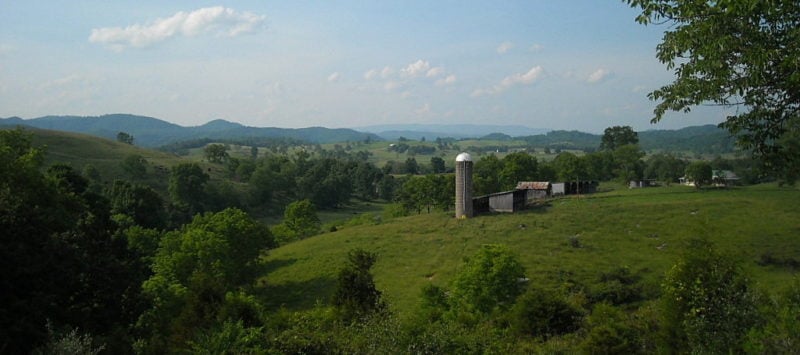
Greenbrier Valley real estate includes farms, hunting properties, mountain getaways, and homes for sale in beautiful historic neighborhoods in and near Union, Lewisburg, Alderson, and Hillsboro. The region is renowned for rolling green pastures and bright sunny days. The valley has long been a famous vacation destination, as it is home to the resort The Greenbrier.
Participating Greenbrier Valley Real Estate Agents
David Sibray: Foxfire Realty
Phone: (304) 575-7390
Historian and publisher David Sibray has made a life’s work of promoting West Virginia and its landscape, as a marketer of tourism and of farms, forests, and fine homes. An expert in the field of historic preservation, he sits on the board of the state’s Preservation Alliance and brings a wealth of knowledge to the sale of heritage properties.
Tina Gibson: Coldwell Banker: Stuart and Watts
Phone: 304-619-5488
Tina Gibson specializes in properties for residential and business investment in the Allegheny, Greenbrier, and New River regions near Union, Sutton, Lewisburg, Fayetteville, Summersville, and Snowshoe Mountain. Bluegrass farms, mountain retreats, vacation properties, and historical homes are among her specialties.
More about Greenbrier Valley Real Estate
Greenbrier Valley real estate encompasses residential, commercial, agricultural, recreational, and resort properties in southeastern West Virginia, primarily within Greenbrier County and portions of neighboring Monroe, Pocahontas, and Summers counties. Centered on the communities of Lewisburg, White Sulphur Springs, Ronceverte, Alderson, and Rainelle, the region is known for its rolling farmland, historic towns, mountain scenery, and long-standing reputation as one of the state’s premier resort destinations.
The Greenbrier Valley contains some of West Virginia’s most varied real estate offerings, including historic homes, working farms, equestrian properties, mountain retreats, hunting lands, and luxury residences associated with the area’s tourism and resort industries. The region’s combination of scenic landscapes, cultural attractions, and relatively mild climate has made it a desirable location for both permanent residents and seasonal property owners.
Historical Development
Real estate development in the Greenbrier Valley has been closely tied to the region’s agricultural heritage and mineral springs. European settlement accelerated during the late eighteenth century as farmers established communities along the fertile valleys of the Greenbrier River and its tributaries. Large farms and estates became characteristic features of the landscape, many of which remained in family ownership for generations.

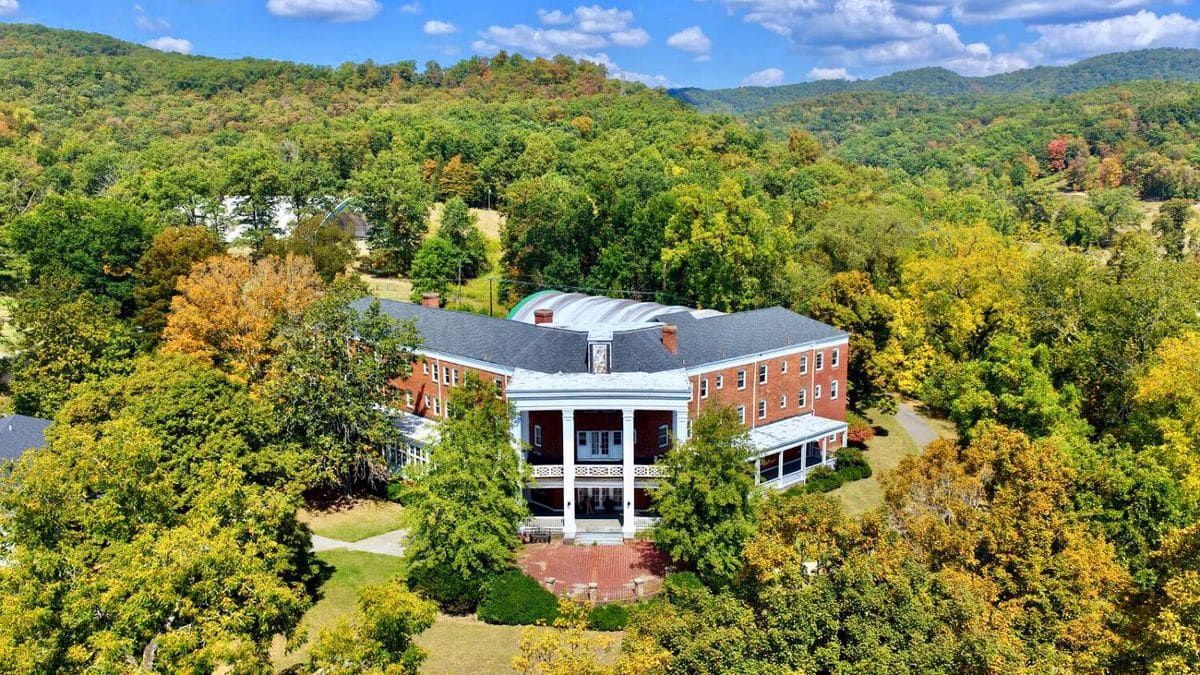
The discovery and promotion of mineral springs during the nineteenth century transformed portions of the valley into nationally recognized resort destinations. The growth of White Sulphur Springs and the development of The Greenbrier resort attracted wealthy visitors from throughout the eastern United States, increasing demand for residential and commercial property in surrounding communities.
Railroad expansion during the late nineteenth and early twentieth centuries further stimulated development, particularly in Lewisburg and Ronceverte. Improved transportation connections encouraged tourism, commerce, and residential growth throughout the valley.
Residential Real Estate
Residential real estate in the Greenbrier Valley ranges from historic urban neighborhoods to isolated mountain homes and rural farmsteads. Lewisburg contains one of the state’s most significant collections of historic residential architecture, with many homes dating to the eighteenth and nineteenth centuries. Federal, Victorian, Colonial Revival, and Craftsman-style houses contribute to the city’s historic character.
White Sulphur Springs features a mixture of historic residences, resort-related housing, and newer developments. Other communities, including Ronceverte, Alderson, and Rainelle, offer a variety of housing types reflecting different periods of the valley’s economic development.
In recent decades, demand has increased for country homes and small-acreage properties located outside incorporated towns. Many buyers are attracted by the region’s scenic views, outdoor recreation opportunities, and comparatively low housing costs when measured against nearby metropolitan areas.
Agricultural and Recreational Properties
Agricultural land remains an important component of Greenbrier Valley real estate. The region’s broad valleys and productive soils support cattle farming, hay production, and other agricultural activities. Many farms remain active working operations, while others have been converted into residential estates, equestrian properties, or recreational retreats.
Large tracts of forestland and mountain acreage are also common throughout the region. Such properties are frequently sought for hunting, fishing, timber management, and outdoor recreation. The proximity of the Monongahela National Forest, Greenbrier River Trail, and numerous public recreation areas contributes to the appeal of rural land ownership.
Resort and Luxury Real Estate
The presence of The Greenbrier resort has had a significant influence on the regional real estate market. Luxury homes, vacation properties, and resort-oriented developments have emerged in areas surrounding White Sulphur Springs, creating a market segment distinct from much of rural West Virginia.
Golf course communities, gated developments, and custom-built mountain residences have become increasingly common in portions of the valley. These properties often attract retirees, second-home owners, and individuals seeking seasonal residences in a scenic Appalachian setting.
Commercial Real Estate
Lewisburg serves as the Greenbrier Valley’s principal commercial center and contains a diverse inventory of retail, office, hospitality, and mixed-use properties. Its historic downtown district has experienced continued investment through preservation and adaptive reuse projects that support tourism, dining, and specialty retail businesses.
Commercial development is also concentrated along major transportation corridors, particularly near Interstate 64 and U.S. Route 219. Hotels, restaurants, service businesses, and healthcare facilities constitute significant components of the regional commercial real estate market.
Market Characteristics
The Greenbrier Valley has traditionally maintained higher property values than many rural areas of West Virginia due to its strong tourism economy, historic communities, and desirable natural setting. Lewisburg, frequently recognized among the state’s most attractive small towns, has experienced sustained demand for both residential and commercial properties. Recent market reports have shown home values and listing prices in Lewisburg generally exceeding countywide averages, reflecting the city’s popularity among retirees, professionals, and second-home buyers.
Property values vary considerably throughout the region. Historic homes in Lewisburg and resort-area properties near White Sulphur Springs often command premium prices, while more affordable housing and land opportunities remain available in smaller communities and rural areas. Countywide housing inventory includes a broad range of properties, from modest residences to large farms and luxury estates.
Economic Significance
Real estate plays a substantial role in the Greenbrier Valley economy through construction, tourism, finance, property management, and agricultural enterprises. Property ownership and development support local tax revenues while contributing to the preservation of the valley’s historic communities and rural landscapes.
As one of West Virginia’s most recognized tourism and retirement destinations, the Greenbrier Valley continues to attract investment in residential, agricultural, recreational, and commercial real estate. The region’s combination of historic character, natural beauty, and recreational amenities has helped sustain a diverse and active property market that remains among the most distinctive in the Appalachian region.
Since 2020, the remote work revolution has dramatically changed the Greenbrier Valley real estate market, according to David Sibray, a real estate agent with Foxfire Realty and publisher of West Virginia Explorer. “Rural benefits and proximity to major cities have changed the Greenbrier Valley real estate market in a manner real estate brokers haven’t witnessed in more than a century,” Sibray said.
The Greenbrier Valley Real Estate Market
All or part of the following West Virginia counties are located in the greater Greenbrier Valley Real Estate region: Fayette County, Greenbrier County, Monroe County, Nicholas County, Summers County.