
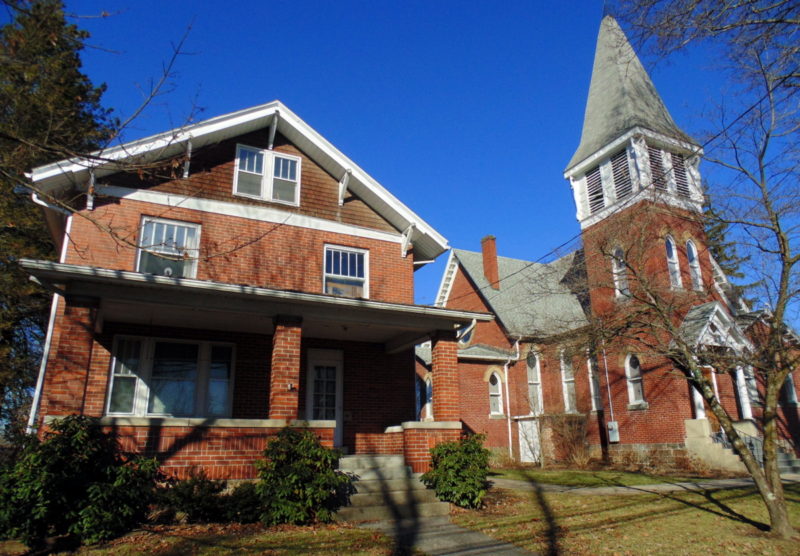
Monongahela Valley real estate includes farms, vacation properties, mountain getaways, and homes for sale in historic neighborhoods in and near Weston, Fairmont, Clarksburg, Bridgeport, Cheat Lake, and Morgantown. The region is renowned for its delightful small towns and high-tech infrastructure. The valley, also known colloquially as the “Mon Valley,” has long been a famous vacation destination and retreat for the Pittsburgh metropolitan area, located on the Monongahela River downstream.
Monongahela Valley Real Estate Sponsors
Lakeview Golf Resort & Spa Timeshare Resales
Phone: (877) 815-4227
Since 2003, we’ve been providing travelers the chance to buy timeshare properties through private owners at a fraction of resort costs. We offer Morgantown timeshares at Lakeview Resort & Spa, all with two bedrooms, fireplaces, and cooking facilities. Start your search for the perfect resort vacation home in the Mon Valley in West Virginia.
David Sibray: Foxfire Realty
Phone: (304) 575-7390
Historian and publisher David Sibray has made a life’s work of promoting West Virginia and its landscape, as a marketer of tourism and of farms, forests, and fine homes. An expert in historic preservation, he serves on the board of the state’s Preservation Alliance and brings a wealth of knowledge to the sale of heritage properties and Monongahela Valley real estate.
More about Monongahela Valley Real Estate
Monongahela Valley real estate in West Virginia encompasses residential, commercial, agricultural, and recreational properties throughout the state’s north-central Monongahela River watershed. Centered on communities such as Morgantown, Fairmont, Star City, Westover, Granville, and parts of Marion, Monongalia, Preston, and Taylor counties, the region features one of the state’s most active and diverse real estate markets.
Driven by higher education, healthcare, technology, energy development, and outdoor recreation, the Monongahela Valley has become a significant destination for homebuyers, investors, students, and businesses seeking opportunities in north-central West Virginia.
Geography and Housing Diversity
The Monongahela Valley is characterized by rolling hills, river bottoms, forested ridges, and expanding urban centers. The Monongahela River and its tributaries have shaped settlement patterns throughout the region, creating a mixture of historic river towns, suburban neighborhoods, rural communities, and growing commercial corridors.
Housing options range from nineteenth-century homes in established downtown districts to contemporary subdivisions, luxury residences, student-oriented housing, and rural properties with substantial acreage. The region’s varied topography allows buyers to choose between urban convenience, suburban development, and secluded countryside settings within relatively short distances.
Morgantown and West Virginia University
No factor has had a greater influence on Monongahela Valley real estate than the growth of Morgantown and West Virginia University. As the state’s largest university and a major research institution, West Virginia University has fueled demand for student housing, faculty residences, rental properties, and commercial development.
The university’s presence has also attracted healthcare providers, technology firms, research organizations, and supporting industries that contribute to a stable housing market. Neighborhoods near the university often experience sustained demand from investors and property owners seeking rental income, while surrounding communities have benefited from population growth and suburban expansion.
Economic Development and Commercial Growth
The Monongahela Valley is among West Virginia’s most economically diverse regions. In addition to education, healthcare, and government employment, the area’s economy includes manufacturing, energy production, logistics, technology, and professional services. Interstate 79, Interstate 68, and major state highways provide convenient transportation links to Pittsburgh, Washington, D.C., and other Mid-Atlantic markets. Commercial real estate development has expanded alongside residential growth, particularly in retail centers, office parks, industrial facilities, and mixed-use developments that serve the region’s growing population and business activity.
Historic Communities and River Towns
While Morgantown serves as the region’s economic center, many Monongahela Valley communities retain strong historic identities. Fairmont, once a coal and industrial center, features historic neighborhoods, commercial buildings, and revitalization efforts aimed at preserving its architectural heritage. Smaller communities throughout the valley reflect the region’s long association with river transportation, coal mining, glass manufacturing, and agriculture. Historic properties remain attractive to buyers interested in restoration projects and distinctive architecture, and adaptive reuse initiatives have encouraged investment in older downtown districts.
Rural Land and Recreational Properties
Beyond the urbanized portions of the valley, significant areas remain rural and forested. Farms, hunting properties, recreational retreats, and undeveloped land continue to attract buyers seeking outdoor opportunities and privacy. Proximity to destinations such as the Monongahela National Forest, Tygart Lake, Cheat Lake, and numerous state parks and wildlife management areas has increased demand for recreational real estate. Many purchasers are drawn to the region’s combination of natural beauty and accessibility, allowing residents to enjoy outdoor recreation while remaining close to employment centers and community services.
Contemporary Market Trends
The Monongahela Valley has experienced some of the strongest population growth and development in West Virginia in the early twenty-first century. Expansion linked to West Virginia University, healthcare systems, technology initiatives, and remote-work opportunities has increased interest in residential and commercial properties.
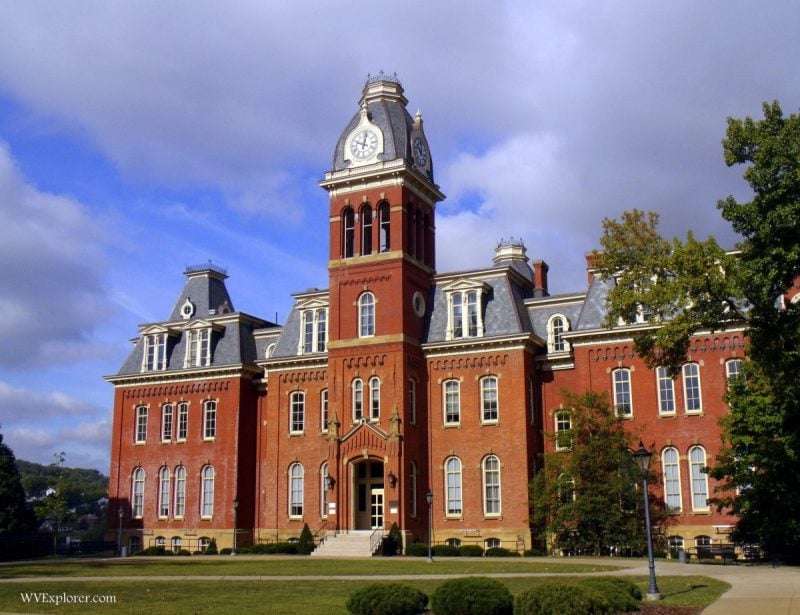
Buyers relocating from neighboring states often find the region’s housing costs comparatively affordable while benefiting from access to education, healthcare, recreation, and transportation networks. As a result, Monongahela Valley real estate remains one of the state’s most dynamic property markets, reflecting a blend of economic opportunity, educational influence, historic character, and outdoor appeal.
Since 2020, the remote work revolution has dramatically changed the Monongahela Valley real estate market, according to David Sibray, a real estate agent with Foxfire Realty and publisher of West Virginia Explorer. “Rural benefits and proximity to major cities like Pittsburgh have changed the Monongahela Valley real estate market dramatically,” Sibray said.
Monongahela Valley Real Estate Markets
All or part of the following counties may be considered to be part of the Monongahela Valley Real Estate region—Marion County, Lewis County, Barbour County, Preston County, Taylor County, Upshur County, and Monongalia County.