
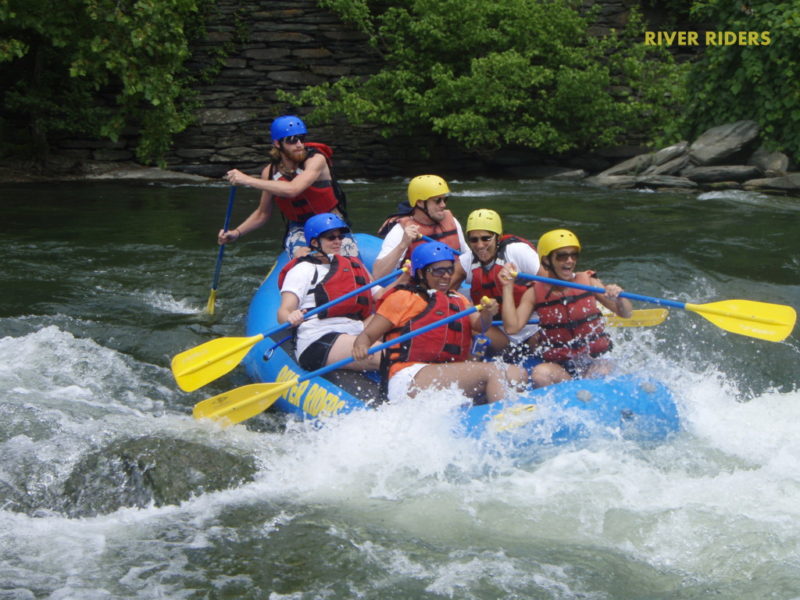
The Shenandoah River offers one of the most popular beginner-friendly whitewater rafting experiences in West Virginia. Flowing through the scenic Shenandoah Valley before joining the Potomac River at Harpers Ferry, the river combines Class I-III rapids, mountain scenery, and easy access from major Mid-Atlantic population centers.
Unlike the larger rafting rivers of southern West Virginia, the Shenandoah is known for moderate rapids and family-friendly conditions. Commercial rafting trips typically focus on the river’s final miles near Harpers Ferry, where the Shenandoah descends through a series of ledges, wave trains, and rocky channels before meeting the Potomac River. These sections provide enough excitement for first-time rafters while remaining accessible to families and recreational paddlers.
Located less than two hours from Washington, D.C., Baltimore, and Northern Virginia, the Shenandoah River has become one of the most heavily visited rafting destinations in the Mid-Atlantic region. Many visitors combine rafting trips with hiking, tubing, cycling, and exploration of the historic communities surrounding Harpers Ferry.
Why Rafters Travel To The Shenandoah River
Many visitors choose the Shenandoah because it offers an introduction to whitewater rafting without the intensity of rivers such as the New, Gauley, or Cheat. Most commercial trips feature Class I-III rapids, creating an experience suitable for families, youth groups, and first-time rafters while still providing enough whitewater to remain exciting.
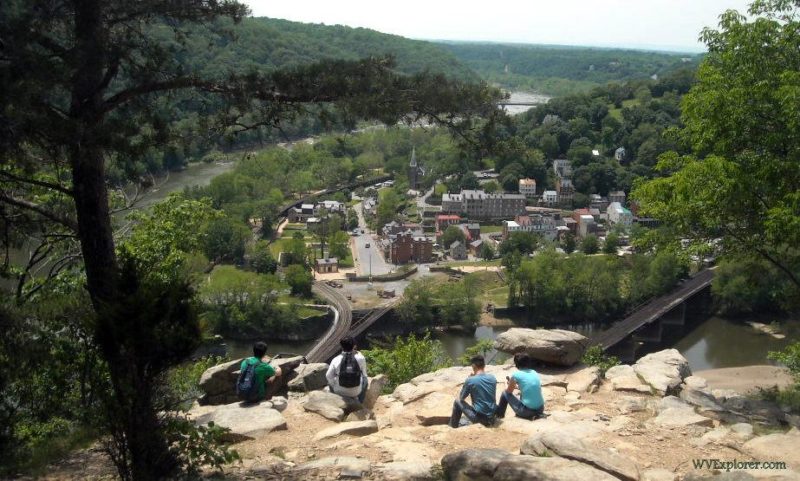
The river’s setting is equally appealing. As the Shenandoah approaches Harpers Ferry, it passes beneath forested ridges and through a landscape shaped by both natural forces and American history. Rafters often enjoy views of the Blue Ridge Mountains, wildlife-rich riverbanks, and the historic transportation corridor that helped shape the region.
Accessibility is another major attraction. Few whitewater destinations in the eastern United States are located so close to major metropolitan areas. As a result, the Shenandoah attracts everyone from day-trippers seeking a weekend adventure to families looking for an introduction to river recreation.
Whitewater Near Harpers Ferry
Most commercial rafting takes place on the lower Shenandoah River near Harpers Ferry. This stretch includes several miles of moving water, rocky ledges, and Class I-III rapids, creating a fun yet manageable whitewater experience. Trips typically last between two and three hours depending on water levels and river conditions.
The final section of the river is especially popular because it combines whitewater with dramatic scenery. Here the Shenandoah cuts through the Blue Ridge Mountains before joining the Potomac River, creating one of the most scenic rafting corridors in the Mid-Atlantic.
Some rafting routes continue into the Potomac River after passing the confluence, allowing visitors to experience two historic rivers during a single trip.
The Shenandoah-Potomac Confluence
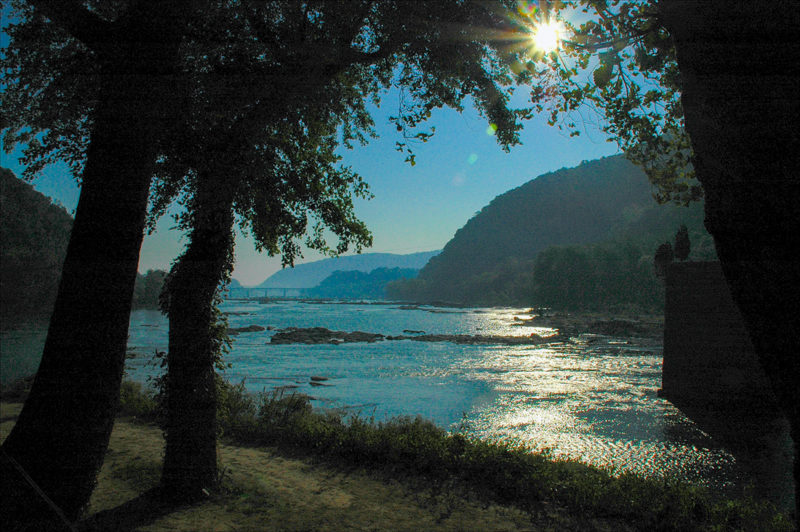
One of the highlights of a Shenandoah rafting trip is reaching the confluence where the Shenandoah and Potomac rivers meet at Harpers Ferry.
The meeting of the rivers occurs at one of the most famous landscapes in the eastern United States. Steep mountain ridges rise above the water while the historic town of Harpers Ferry occupies the point where West Virginia, Virginia, and Maryland converge. Thomas Jefferson famously described the view from nearby heights as one of the most impressive natural scenes he had witnessed.
Today, rafters experience this landscape from water level, offering a perspective unavailable to most visitors.
Whitewater Difficulty And River Conditions
The Shenandoah River is generally considered one of West Virginia’s most beginner-friendly rafting rivers. Most commercial trips feature Class I-III rapids, though spring runoff can create faster currents and more technical conditions.
Unlike the nearby Potomac River, which can become shallow during dry periods, the Shenandoah often maintains sufficient flows for recreational rafting throughout much of the season. Water levels nevertheless vary according to rainfall and seasonal conditions.
Commercial outfitters monitor river levels carefully and adjust trip schedules as necessary.

Best Time To Go
Rafting trips on the Shenandoah River generally operate from spring through autumn.
Spring often provides the highest water levels and most active whitewater conditions. Summer brings warmer temperatures and remains popular with families, youth groups, and first-time paddlers. Autumn combines comfortable weather with colorful foliage throughout the Shenandoah Valley and Blue Ridge Mountains.
Because of its relatively reliable flows and moderate rapids, the Shenandoah often maintains a longer recreational season than many other eastern rivers.
Wildlife And Scenery
The Shenandoah River watershed supports a wide variety of wildlife. Bald eagles, great blue herons, kingfishers, osprey, turtles, and white-tailed deer are commonly observed along the river corridor.
The surrounding landscape includes forested ridges, limestone outcrops, agricultural valleys, and mountain gaps. During autumn, hardwood forests surrounding the river display vibrant colors that attract paddlers and photographers from throughout the Mid-Atlantic region.
The combination of moderate whitewater and scenic beauty is one of the river’s greatest attractions.
Planning A Shenandoah River Rafting Trip
Most visitors base their rafting trip around Harpers Ferry, which provides easy access to outfitters, lodging, restaurants, and other outdoor recreation opportunities.

Families and first-time rafters often find the Shenandoah an ideal introduction to whitewater rafting. More experienced paddlers frequently combine a Shenandoah trip with rafting on the nearby Potomac River.
Because river conditions can change rapidly, visitors should check current forecasts and water levels before arriving.
Additional Resources
American Whitewater Shenandoah River Information
National Weather Service River Forecasts
West Virginia Division of Natural Resources
Commercial Outfitters
Several outfitters operate guided rafting trips on the Shenandoah River near Harpers Ferry, all of which also offer tubing, kayaking, and other river-based activities.
Guided trips typically include professional river guides, transportation, safety equipment, and instruction.
Nearby Attractions
Visitors frequently combine Shenandoah rafting trips with visits to:
Harpers Ferry
Harpers Ferry National Historical Park
The Appalachian Trail
C&O Canal National Historical Park
Potomac River
Sleepy Creek Wildlife Management Area
Eastern Panhandle of West Virginia
The concentration of outdoor recreation opportunities makes the region one of West Virginia’s most popular tourism destinations.
Shenandoah River Rafting At A Glance
Primary Location: Harpers Ferry, West Virginia
Difficulty: Class I-III
Season: Spring through autumn
Suitable For: Families, beginners, recreational paddlers
Nearest Major Cities: Washington, D.C.; Baltimore; Winchester
Known For: Family-friendly whitewater, mountain scenery, historic landscapes
Popular Features: Shenandoah-Potomac confluence, Blue Ridge views, Harpers Ferry
Frequently Asked Questions
Is the Shenandoah River suitable for beginners?
Yes. Most commercial rafting trips feature Class I-III rapids and are designed for beginners, families, and first-time rafters.
How difficult is Shenandoah River rafting?
Most rapids are rated Class I-III, making the river considerably less demanding than the New River, Gauley River, or Cheat River.
When is rafting season on the Shenandoah River?
Most outfitters operate from spring through autumn, with spring typically offering the highest water levels.
How does the Shenandoah compare with the Potomac River?
The two rivers are often rafted together near Harpers Ferry. The Shenandoah generally offers slightly more reliable water levels, while the Potomac features additional whitewater sections and rapids.
The Shenandoah River remains one of West Virginia’s most accessible whitewater destinations. Combining moderate rapids, mountain scenery, abundant wildlife, and historic landscapes, it provides an ideal introduction to whitewater rafting in the Appalachian region.
Map of Shenandoah Rafting Area
Expeditions through the Shenandoah River most often launch at the community of Millville and end above the US-340 bridge off Sandy Hook Road in Maryland. Outfitters then transport rafters back to base camps.
Help promote Shenandoah River whitewater rafting
We’re continually looking for writers to help build our guide to whitewater rafting in West Virginia. Interested in contributing? Please let a member of our editorial team know.