
WHEELING, W.Va. — As communities across the Mountain State prepare to celebrate West Virginia Day on June 20, residents are marking more than another state birthday. They are commemorating one of the most unusual chapters in American history.

West Virginia turns 163 this year, marking the anniversary of its admission to the Union on June 20, 1863, during the height of the Civil War. The state remains unique in American history as the only one formed by seceding from a Confederate state.
While many states entered the Union as territories or colonies, the Mountain State emerged from a national crisis. When Virginia voted to secede from the United States in 1861, many residents of the state’s western counties, now West Virginia, opposed the decision. Their opposition ultimately led to the creation of a new state and a new identity.
A state born in wartime
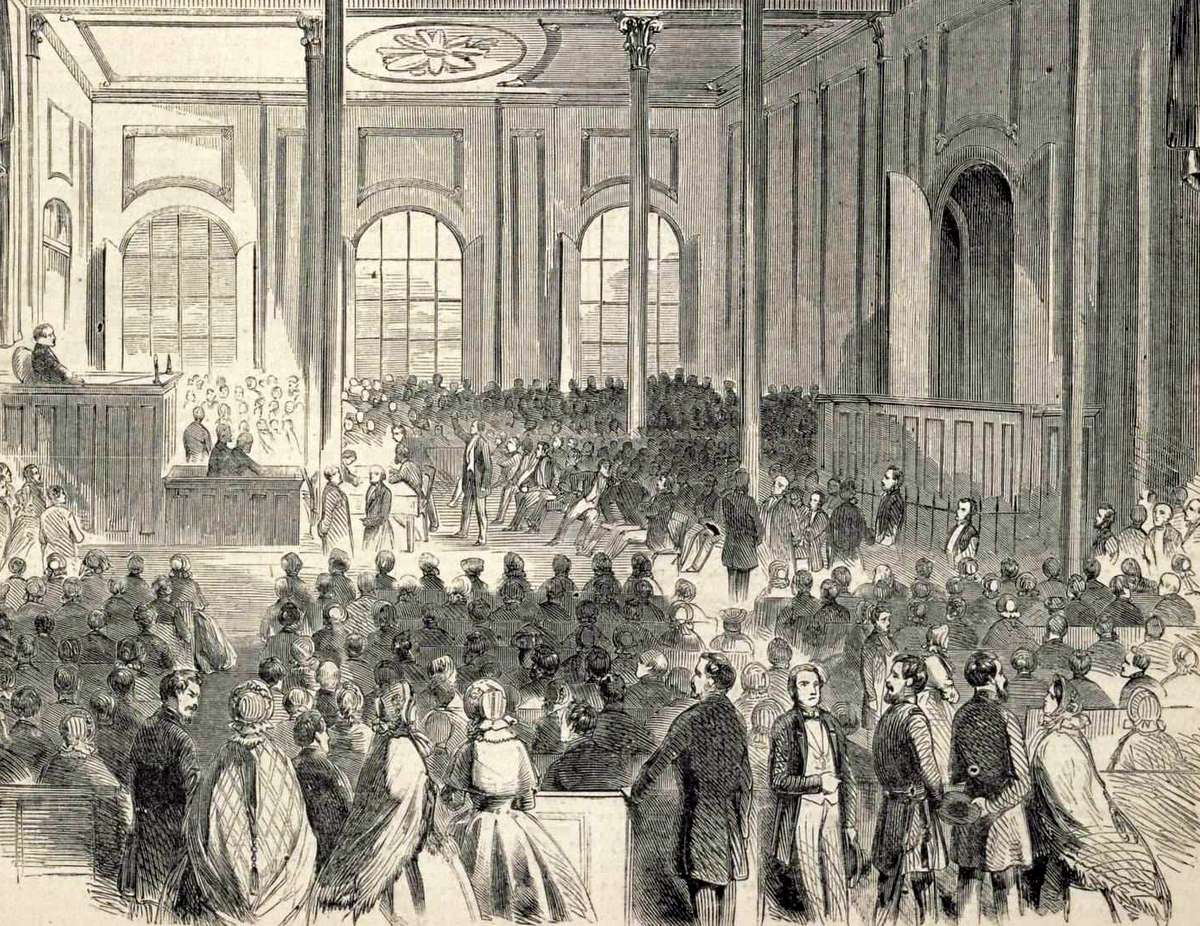
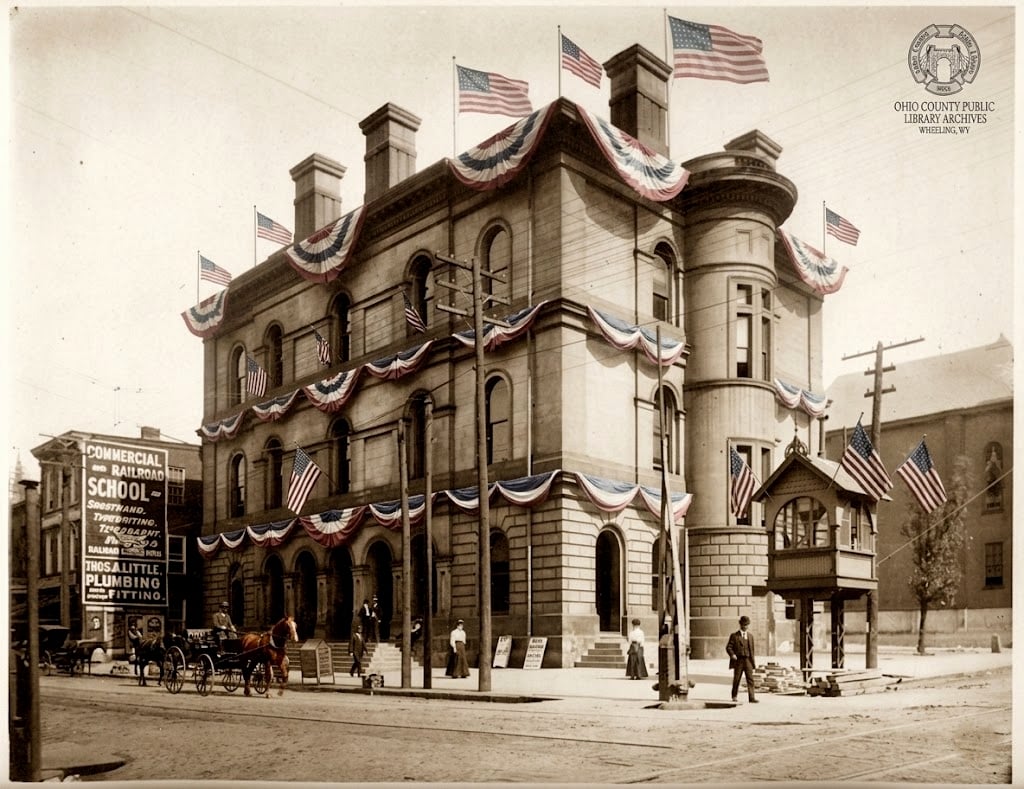
The movement to create the new state began amid intense political division. Delegates from western Virginia counties met in Wheeling to organize a pro-Union government after Virginia joined the Confederacy.
These gatherings, known as the Wheeling Conventions, laid the groundwork for statehood. After a series of votes and political negotiations, President Abraham Lincoln approved legislation admitting West Virginia to the Union.
The new state officially joined the United States on June 20, 1863.
Historians have long noted the extraordinary circumstances surrounding its creation. No other state was formed by seceding from a state that had joined the Confederacy.
Why the split happened
Geography, economics, and culture all contributed to the division.
The mountainous western counties were less dependent on plantation agriculture and slavery than eastern Virginia. Residents often felt disconnected from political leaders in Richmond and believed their interests were not adequately represented.
As secession tensions mounted, those differences became impossible to ignore.
The result was the creation of a new state whose rugged landscape, independent spirit, and distinct culture would shape its identity for generations.
More than a date on the calendar
Today, West Virginia Day is celebrated with festivals, historical programs, museum events, outdoor recreation, and community gatherings throughout the state.
For many residents, the day serves as a reminder of the state’s history and enduring character.
“Its story is unlike any other state in America,” said David Sibray, publisher of West Virginia Explorer.
“The Mountain State was born during one of the nation’s most difficult periods, and its creation reflects the determination and independence that continue to define West Virginians today.”
Sibray said the anniversary also offers an opportunity to appreciate the state’s natural beauty, cultural heritage and strong sense of community.
“Whether you’re hiking a mountain trail, exploring a historic town or attending a local celebration, West Virginia Day reminds us why this place means so much to the people who call it home,” he said.
What makes West Virginia different from every other state?
West Virginia’s journey to statehood remains one of the most remarkable stories in American history. While many states celebrate anniversaries tied to territorial expansion or colonial settlements, the founding of the state is directly tied to the Civil War and the preservation of the Union.
The state’s admission on June 20, 1863, followed years of political and economic tensions between the mountainous western counties and the plantation-dominated regions of eastern Virginia. Those differences ultimately led residents to pursue a separate path, creating a new state whose identity would be shaped by its mountains, rivers, and close-knit communities.
Today, that independent spirit is reflected in many of the places and traditions that define West Virginia. The state is home to the nation’s newest national park, the New River Gorge National Park and Preserve, along with hundreds of miles of hiking trails, whitewater rivers, scenic byways, and historic small towns.
West Virginia is also known for its rich Appalachian heritage. Traditional mountain music, bluegrass festivals, handcrafted arts, local food traditions, and community celebrations continue to play an important role in everyday life throughout the Mountain State.
For visitors, West Virginia Day offers an opportunity to discover some of the state’s most celebrated destinations, including Blackwater Falls, Harpers Ferry, Seneca Rocks, Dolly Sods Wilderness, Summersville Lake, and the New River Gorge Bridge. For residents, it serves as a reminder of the history, culture, and natural beauty that make West Virginia unique.
As the state marks its 163rd birthday, many communities are reflecting on the generations of miners, farmers, loggers, educators, entrepreneurs, veterans, and public servants who helped build the state. Their contributions continue to shape the state’s future while preserving the traditions and values that have endured since statehood.
That combination of history, scenery and resilience is one reason West Virginia Day remains one of the state’s most meaningful annual celebrations.
A legacy that continues
More than a century and a half after achieving statehood, the state remains renowned for its dramatic landscapes, rich traditions and resilient communities.
From the high plateaus of Dolly Sods to the depths of the New River Gorge, the state’s scenery draws millions of visitors each year. Its music, folklore, outdoor recreation and historic communities continue to tell the story of a place unlike any other in the nation.
As West Virginians celebrate the state’s 163rd birthday, they also honor a remarkable legacy—one forged during the Civil War and carried forward by generations of Mountain State residents. West Virginia Day is observed annually on June 20.
Read More
Excellent article. Thank you for sharing it.
Beautifully written piece by the author. I’m a current resident of the state (eastern panhandle) whose was was proudly born and raised in the northern panhandle, where the “underground railroad” went through many homes in her town on the banks of the Ohio River). I think this is something of which West Virginians should be incredibly proud, to know that their forefathers fought with extreme bravery and without question to keep the Union and the country intact against those who wanted to own people.
The one thing which my mind knowing all this is the extent to which the majority (not all, mind you, but the second largest majority of any state in the USA) continously votes for a corrupt, treasonous, hateful, and racist administration (president, governors, senators, and congressmen) who much more closely align with the values of the confederacy (I know this word should be capitalized but I refuse to do it) and are doing their best to tear this country apart and would sooner have us return to a hypothetical scenario in which the Union (THE United States of America) would have lost the Civil War.
Beautifully written piece by the author. I’m a current resident of the state (eastern panhandle) whose better half was proudly born and raised in the northern panhandle, where the “underground railroad” went through many homes in her town on the banks of the Ohio River). I think this is something of which West Virginians should be incredibly proud, to know that their forefathers fought with extreme bravery and without question to keep the Union and the country intact against those who wanted to own people.
The one thing which my mind knowing all this is the extent to which the majority (not all, mind you, but the second largest majority of any state in the USA) continously votes for a corrupt, treasonous, hateful, and racist administration (president, governors, senators, and congressmen) who much more closely align with the values of the confederacy (I know this word should be capitalized but I refuse to do it) and are doing their best to tear this country apart and would sooner have us return to a hypothetical scenario in which the Union (THE United States of America) would have lost the Civil War.
I think politics are nothing more than a distraction. I don’t care what color you are red or blue. They’re doing it to keep you busy while there other hand is sticking stuff in your pocket. That’s the big joke that they think is funny. You people let politics tear you apart my family fought for the confederacy. It wasn’t about race cause my great great grandma was black in fact, my great great grandfather was one of the only people I’ve ever known of to receive property for his war service even though he was on a losing side the corrupt is both sides. Democrats has bought this vote from people with bottles of liquor for years and years and years, so let’s just leave politics out of this with all due respect.
Born and raised in wv and proud to be a hillbilly there is no state more beautiful than mt state there so much to you just need to get out and explore it