
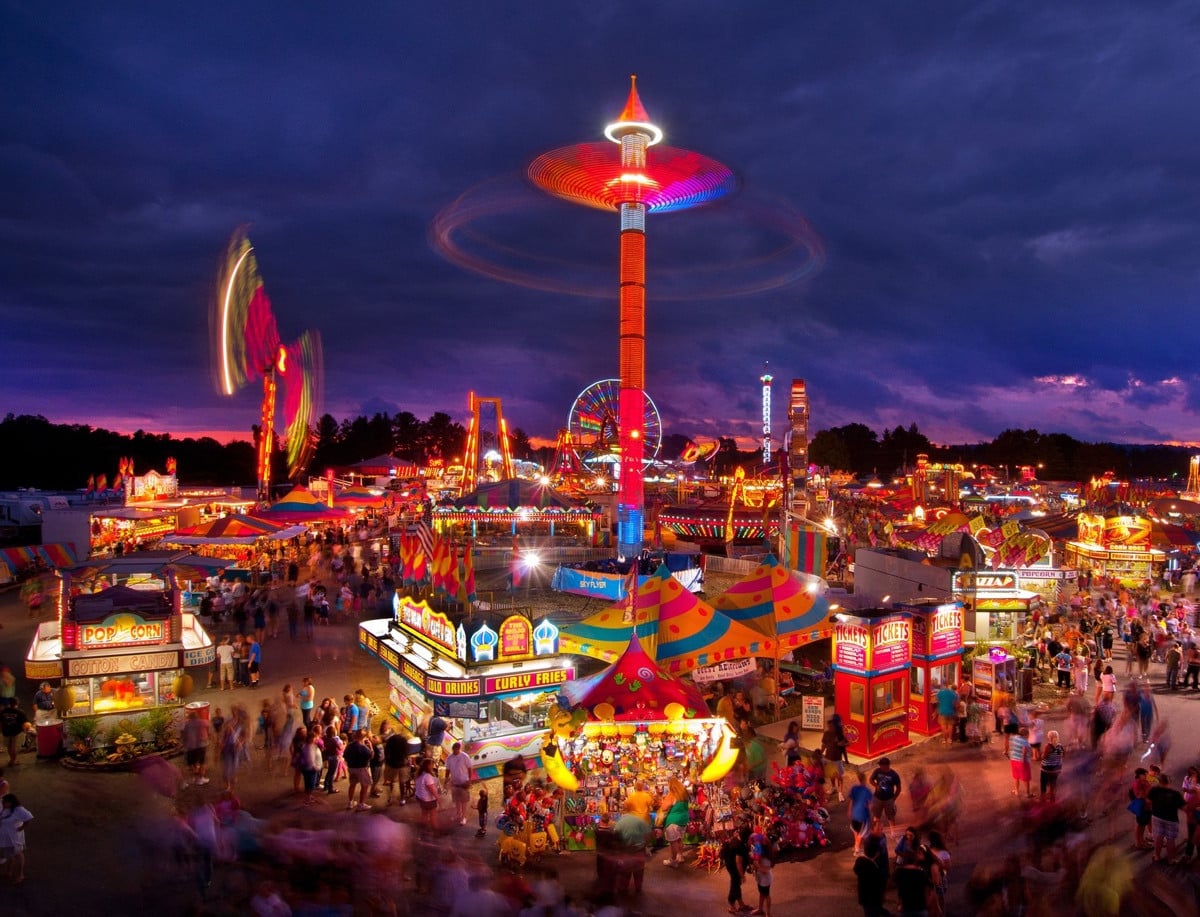
LEWISBURG, W.Va. — From prize-winning quilts and homemade jams to champion livestock and towering garden vegetables, the competitive exhibits at the State Fair of West Virginia have long been among the event’s biggest draws. With the fair’s 101st annual celebration just weeks away, organizers are reminding exhibitors that entry deadlines are rapidly approaching.

Livestock entries must be submitted by midnight on July 8, while entries for the fair’s Home, Arts & Garden competitions are due by midnight on July 15. Complete rules, premium books, class information, and online registration are available through the State Fair of West Virginia.
Competitive exhibits among fair’s enduring traditions
“We encourage everyone to get their entries in before the deadlines,” State Fair CEO Kelly Collins said. “Competitive exhibits are one of the traditions that make the State Fair so special, and we look forward to celebrating your hard work during the 101st State Fair.”
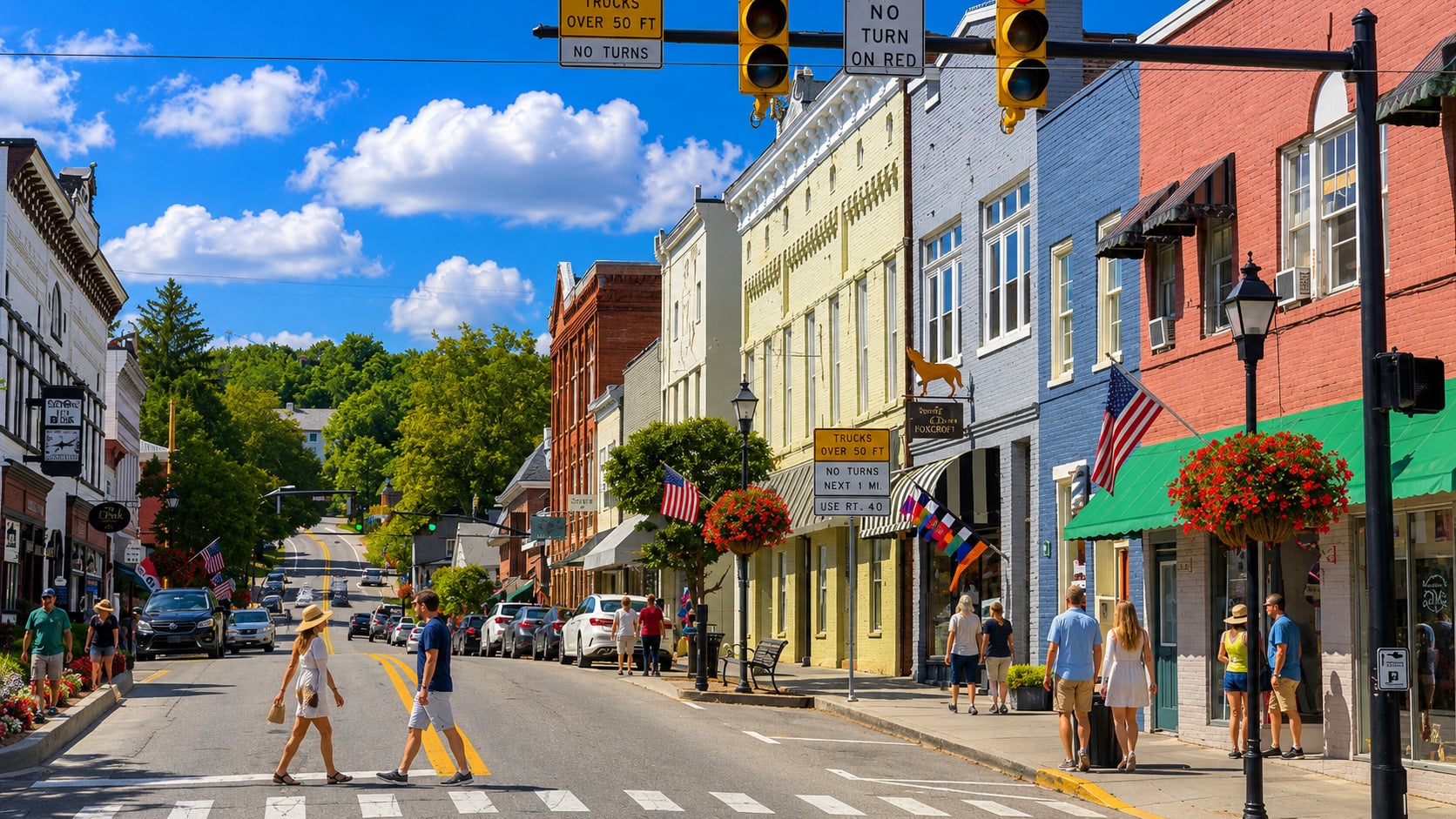
Held each August in Lewisburg, the State Fair draws exhibitors from across West Virginia and neighboring states, continuing a tradition that has celebrated the region’s agricultural heritage, craftsmanship, and creativity for more than a century.
Each year, thousands of entries fill exhibition halls and livestock barns, showcasing everything from prize cattle and champion sheep to handcrafted quilts, fine art, photography, woodworking, canned goods, baked treats, floral arrangements, and garden produce. For many visitors, these displays are every bit as much a part of the fair experience as the midway rides, concerts, and food vendors.
More than rides and concerts
While many first-time visitors arrive expecting the fair to center on carnival attractions and grandstand entertainment, longtime fairgoers often make the exhibition buildings their first stop.
Inside, rows of blue ribbons highlight the best examples of West Virginia craftsmanship and agricultural achievement. Visitors can browse award-winning pies, jams, and breads; examine intricate quilts and needlework; admire photography and paintings; and see vegetables, flowers, and fruit grown by gardeners from across the Mountain State.

Just beyond the exhibit halls, livestock barns offer another glimpse into West Virginia’s agricultural traditions. Youth exhibitors from 4-H and FFA spend months preparing animals for competition, learning responsibility, animal husbandry, and public presentation, while competing alongside experienced breeders in open-show events.
The livestock competitions include divisions for beef cattle, dairy cattle, swine, sheep, goats, poultry, rabbits, horses, and several other species, making the fair one of the state’s largest annual agricultural showcases.
A showcase for West Virginia talent
Although ribbons and prize money recognize excellence, organizers say the competitions are equally important because they preserve skills and traditions passed down from one generation to the next.
For many families, entering exhibits has become an annual tradition. Recipes are refined, gardens carefully tended, livestock prepared, and artwork completed throughout the year in hopes of earning recognition at the State Fair. The resulting displays give visitors a chance to experience the breadth of West Virginia’s agricultural and artistic heritage in a single visit.
The fair also serves as an important educational event, introducing younger generations to farming, horticulture, traditional crafts, and food preservation, while providing opportunities for exhibitors to compare techniques, exchange ideas, and celebrate their accomplishments.
Economic impact extends beyond the fairgrounds
The 101st State Fair of West Virginia will be held Aug. 13–22, 2026, drawing thousands of visitors to the Greenbrier Valley during one of the region’s busiest tourism seasons.
In addition to agricultural competitions, the fair features national and regional entertainment, carnival rides, educational exhibits, family activities, and one of the state’s largest collections of food vendors.

The nonprofit State Fair of West Virginia says the event is dedicated to preserving agriculture, supporting education and youth development, and providing family entertainment. A recent economic impact study found that the fair generates more than $42.8 million annually for West Virginia’s economy through visitor spending, tourism, and related business activity.
For prospective exhibitors, organizers say the next two weeks are the final opportunity to join one of West Virginia’s longest-running traditions before the gates open for the fair’s second century.
Visiting the Greenbrier Valley
Visitors planning a trip to the State Fair can easily turn the event into a multi-day getaway in the Greenbrier Valley. Beyond the fairgrounds, the region offers a blend of historic charm and outdoor recreation, from strolling the shops, galleries, and restaurants of downtown Lewisburg to touring the world-famous Greenbrier resort, exploring nearby caves, hiking and biking scenic trails, or paddling the Greenbrier River. Throughout August, the valley also hosts live music, theater performances, and community events that complement a visit to the fair.
Whether you’re traveling for a single day or planning an extended vacation, the Greenbrier Valley Convention & Visitors Bureau offers information on lodging, attractions, dining, itineraries, and events throughout the region. The official destination guide can help visitors make the most of their stay while exploring one of West Virginia’s premier travel destinations.
I won a Blue Ribbon at the State Fair in the early 60s for exhibiting a vacuum tube audio amplifier that I built from scratch,