
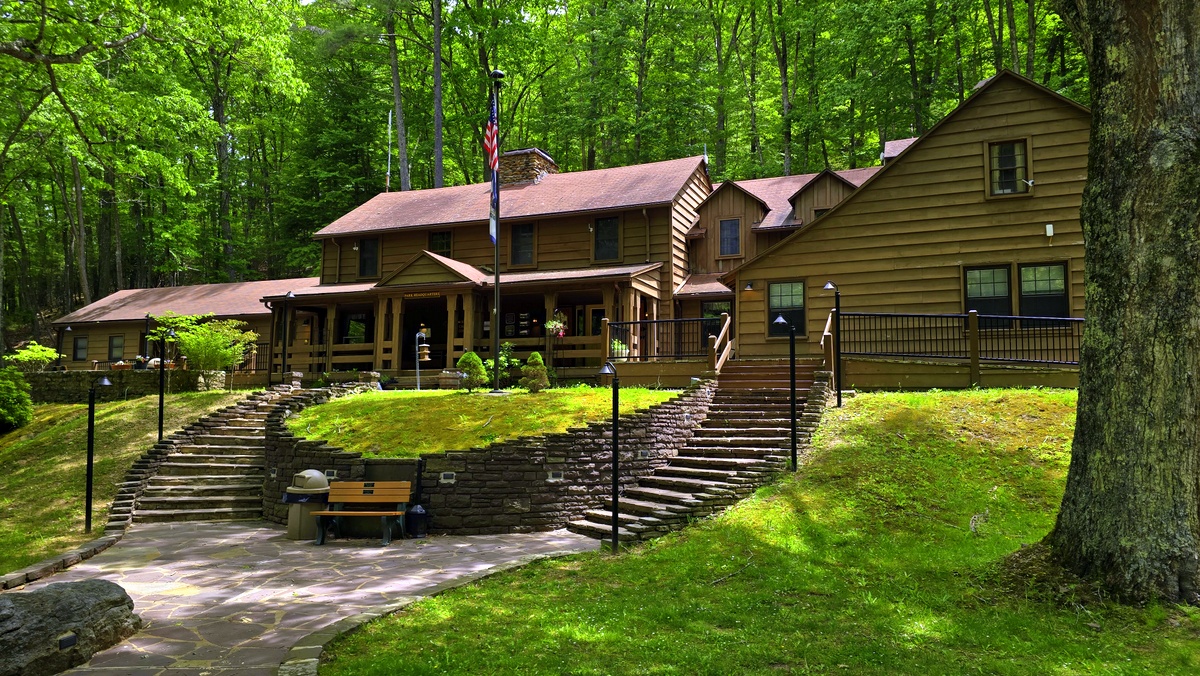
Watoga State Park is the largest state park in West Virginia and one of the state’s most historically significant outdoor recreation areas. Located in southern Pocahontas County near Marlinton, the park encompasses approximately 10,100 acres of forested mountains, streams, and valleys along the upper Greenbrier River watershed.

Renowned for its extensive network of hiking trails, historic Civilian Conservation Corps (CCC) structures, dark night skies, and rustic cabin accommodations, Watoga has become one of the premier destinations for outdoor recreation and heritage tourism in the Appalachian Mountains.
History of Watoga State Park
The origins of Watoga State Park date to January 1925, when the West Virginia Game and Fish Commission purchased approximately 4,500 acres of cutover timberland from the Watoga Land Association. The property was initially designated as Watoga State Forest and managed as a wildlife and timber preserve.
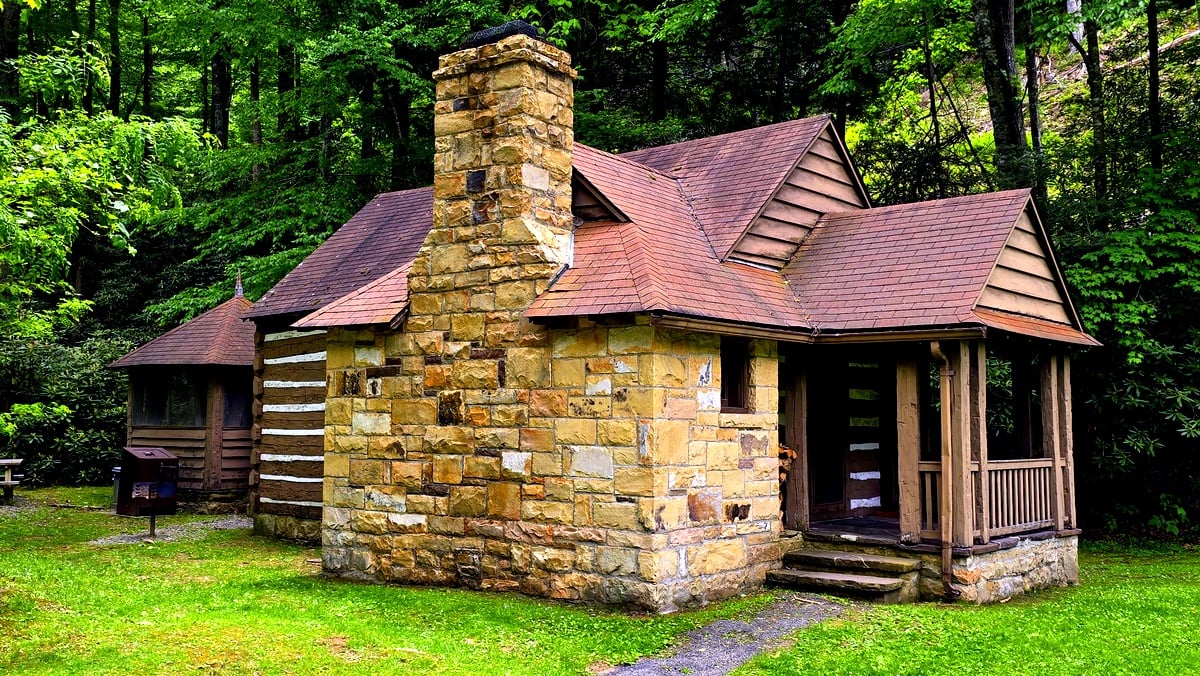
Additional acreage was acquired in 1934, expanding the property to more than 10,000 acres. That same year, state officials decided to transform the forest into a state park.
Much of the park’s early development was carried out by the Civilian Conservation Corps during the Great Depression. Between 1933 and 1942, three CCC camps—Camp Watoga, Camp Seebert, and Camp Will Rogers—provided labor for the construction of roads, trails, cabins, picnic shelters, administrative buildings, and recreational facilities.
Workers also created an 11-acre lake by damming Island Lick Run and developed much of the park’s infrastructure using native stone and timber in the rustic architectural style characteristic of New Deal-era parks.
Watoga officially opened to the public on July 1, 1937. Following World War II, development resumed with the construction of campgrounds, additional cabins, modern utilities, and recreational facilities. The park’s popularity grew steadily during the second half of the twentieth century, leading to expanded lodging and camping opportunities.
In recognition of its exceptional collection of New Deal-era resources, the New Deal Resources in Watoga State Park Historic District was listed on the National Register of Historic Places. The district includes dozens of historic buildings, structures, trails, shelters, and other features constructed by the corps. More than 100 corps-built resources remain preserved within the park, making Watoga one of the most significant corps landscapes in West Virginia.

Name and Etymology
The name “Watoga” is generally believed to derive from a Cherokee term meaning “starry waters.” The name originally belonged to a nearby community and was adopted for the state forest and later the state park. The association with stars has become especially fitting in recent years, given the park’s internationally recognized dark skies.
Geography and Natural Features
Situated in the Allegheny Mountains of eastern West Virginia, Watoga occupies a rugged landscape characterized by mixed hardwood forests, mountain streams, and elevated ridges. The park lies adjacent to the Greenbrier River and is bordered by extensive public lands, including the Calvin W. Price State Forest and portions of the Monongahela National Forest region. Elevations within the park approach 3,000 feet above sea level.
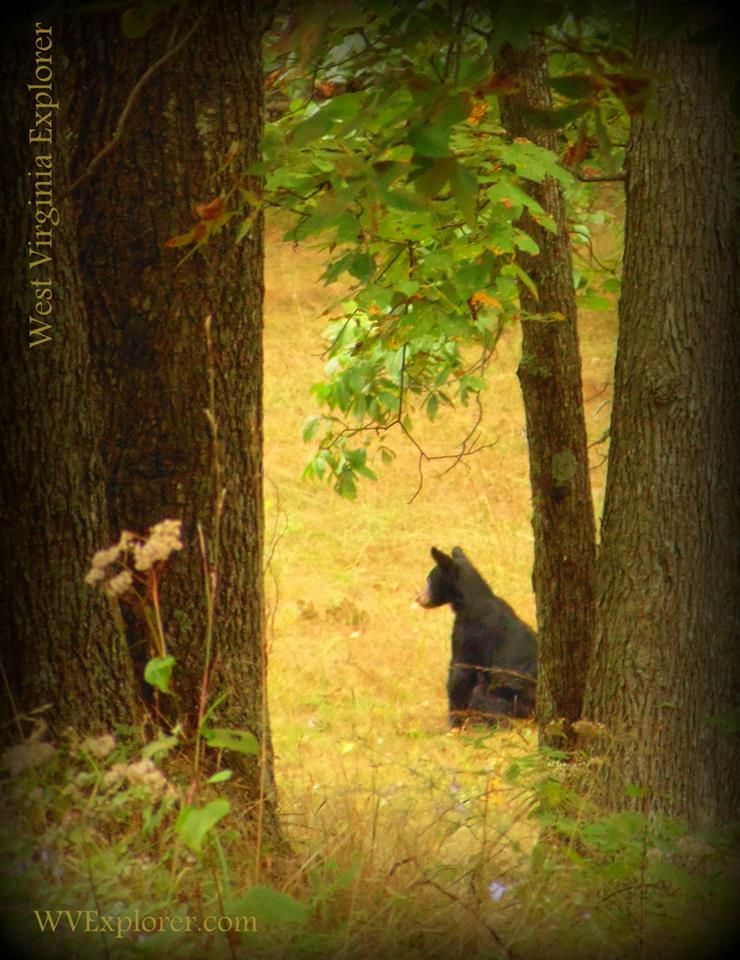
The park’s forests support diverse wildlife, including white-tailed deer, black bears, wild turkeys, songbirds, amphibians, and numerous native plant species. Historically, the area served as a wildlife management and conservation site, and animals raised at Watoga were once used in wildlife restoration efforts throughout several West Virginia counties.
One of the park’s most notable natural attractions is Watoga Lake, an 11-acre impoundment created during the CCC era. The lake provides opportunities for fishing, canoeing, kayaking, and wildlife observation. It is regularly stocked with fish by the West Virginia Division of Natural Resources.
Recreation
Watoga State Park offers a wide range of outdoor recreational opportunities throughout the year. Hiking is among the park’s most popular activities, with more than 35 miles of trails traversing forests, streams, ridges, and scenic overlooks. Trails range from short interpretive walks to longer backcountry routes and include connections to the Allegheny Trail and the nearby Greenbrier River Trail.
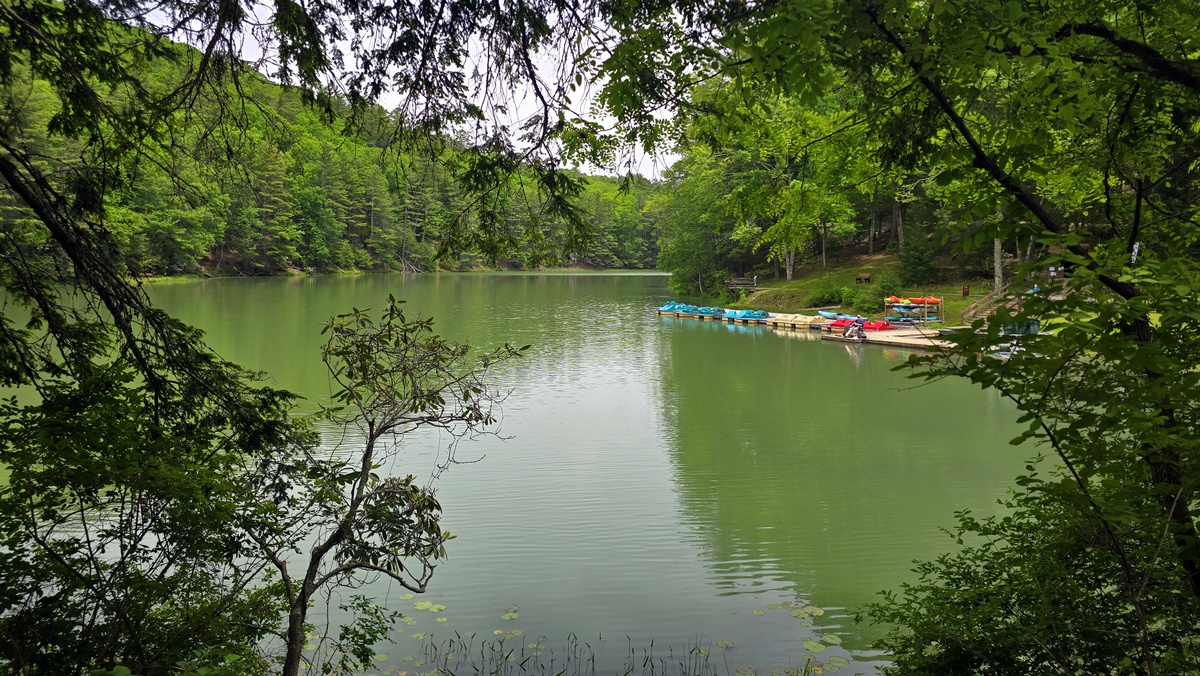
Fishing and boating are centered on Watoga Lake, where electric motors and non-motorized watercraft are permitted. Birdwatching, photography, geocaching, and nature study are also popular pursuits. The park features picnic areas, playgrounds, sports facilities, and seasonal interpretive programs.
A distinctive attraction is the Ann Bailey Lookout Tower, a historic fire tower that provides panoramic views of the surrounding mountains and forests. The tower commemorates pioneer frontierswoman Ann Bailey and remains a popular destination for hikers and sightseers.
Brooks Memorial Arboretum
Within the park is the Fred E. Brooks Memorial Arboretum, one of West Virginia’s earliest arboretums. Established in the late 1930s and encompassing approximately 400 acres, the arboretum was dedicated to naturalist Fred E. Brooks. It contains native tree species, interpretive trails, and botanical resources that support education and conservation.
Dark Sky Designation
Watoga has gained national recognition for its exceptionally dark night skies. In 2021, the International Dark-Sky Association designated Watoga State Park, together with nearby Droop Mountain Battlefield State Park and Calvin W. Price State Forest, as West Virginia’s first International Dark Sky Parks. The designation recognizes the area’s low levels of light pollution, commitment to responsible outdoor lighting, and public astronomy programs.
The dark-sky status has transformed the park into one of the premier stargazing destinations in the eastern United States. Visitors regularly observe the Milky Way, meteor showers, planets, and deep-sky objects from designated viewing areas within the park. Astronomy events and educational programs attract visitors from throughout the Mid-Atlantic region.
READ ALSO: Why West Virginia remains one of America’s best places to see fireflies
Lodging and Camping
Watoga offers a variety of lodging options, including historic CCC-built cabins and modern vacation cabins. Many of the original rustic cabins remain in use and are considered among the finest surviving examples of CCC craftsmanship in West Virginia’s state park system. Several modern cabins are available year-round and provide contemporary amenities while maintaining the park’s rustic character.
The park also features multiple campgrounds with tent and recreational vehicle sites. Camping facilities, combined with the park’s extensive trail system and proximity to other public lands, make Watoga a popular base camp for exploring the mountains of Pocahontas County.
Cultural Significance
Watoga State Park occupies an important place in the history of West Virginia’s park system. Although nearby Droop Mountain Battlefield became the state’s first park to open to the public, Watoga represents one of the earliest and largest conservation initiatives undertaken by the state. Its extensive collection of CCC structures provides a tangible reminder of the New Deal programs that transformed recreation and conservation across Appalachia during the Great Depression.
Today, the park serves not only as a recreational destination but also as a living museum of conservation history, architecture, forestry, and outdoor heritage. Through its preserved CCC resources, dark-sky initiatives, and expansive natural landscapes, Watoga continues to exemplify the blend of recreation, preservation, and environmental stewardship that defines West Virginia’s state park system.
Hotels near Watoga State Park
Hillsboro (WV) Hotels
Marlinton (WV) Hotels
Attractions near Watoga State Park
Falls of Hills Creek
Snowshoe Mountain
Beartown State Park
Seneca State Forest
Pearl S. Buck Birthplace
Highland Scenic Highway
Cranberry Glades Botanical Area
Cass Scenic Railroad State Park
Droop Mountain Battlefield State Park
National Radio Astronomy Observatory
Visit the Watoga State Park Website: WSP Website
HC 82, Box 252
Marlinton, WV 24954
Phone: 304-799-4087