
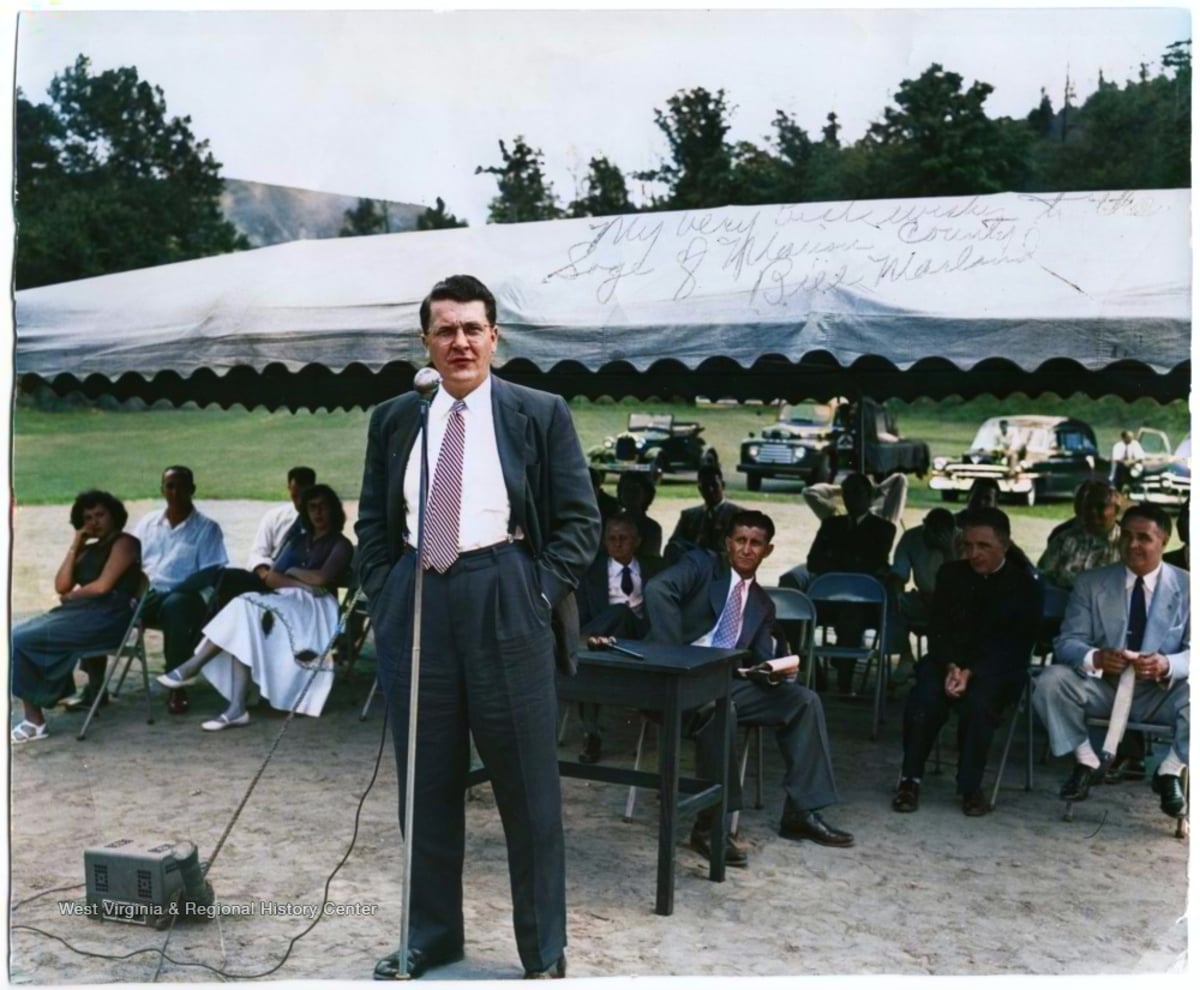
CHARLESTON, W.Va. — William C. Marland was one of the most fascinating and tragic figures in West Virginia’s political history. Elected governor in 1952 at age 34, he was considered a rising star whose intelligence, charisma, and reform agenda made him one of the state’s most promising leaders.

Born in 1918 in Johnston City, Illinois, Marland moved with his family as a child to the coal-mining community of Glen Rogers in Wyoming County. The son of a coal-industry supervisor, he worked in and around the coalfields and then attended the University of Alabama. He served as a Navy lieutenant in the Pacific during World War II and earned a law degree from West Virginia University in 1947.
Boy Wonder of West Virginia Politics
After briefly serving as a law clerk and assistant attorney general, he became West Virginia’s attorney general in 1949. Just three years later, he won the governorship, defeating former U.S. Senator Rush Holt. His rise was so rapid that many observers called him a political “boy wonder.”
Classified as a reform governor, his administration focused on several issues that remain relevant today—
- Improvements to unemployment and workers’ compensation.
- Economic diversification and industrial development.
- Expansion of state parks and recreational facilities.
- Civil rights and school integration.
- Public education reform.
Perhaps his most notable proposal was a severance tax on coal and other extractive industries. He argued that companies extracting West Virginia’s natural resources should leave more revenue for schools, roads, and public services. The powerful coal industry and its allies in the legislature blocked the proposal. Many historians view his fight over the severance tax as decades ahead of its time.
He was also a champion of school integration. Following the landmark Brown v. Board of Education ruling, he supported the peaceful integration of West Virginia’s public schools. Unlike many governors across the South, he did not lead resistance to desegregation, and West Virginia’s schools integrated with relatively little conflict compared with many neighboring states.
However, term limits prevented Marland from immediately seeking reelection. He ran unsuccessfully for the U.S. Senate in 1956 and again in 1958, losing both times. Those defeats marked the end of his political career, and he soon disappeared from the public eye. When he appeared again, it was national news.
The Former Governor Found Driving a Chicago Taxi
In 1965, reporters discovered the former governor driving a taxi in Chicago. He admitted he had fallen victim to alcohol use disorder, then known as “alcoholism.” Rather than deny it, he openly discussed his struggle with alcoholism and explained that driving a cab helped him maintain sobriety and perspective.
William Marland’s Battle with Alcoholism
Americans were captivated by the story of a former governor rebuilding his life through ordinary work, though public attitudes toward Marland’s alcoholism were complex and changed over time.
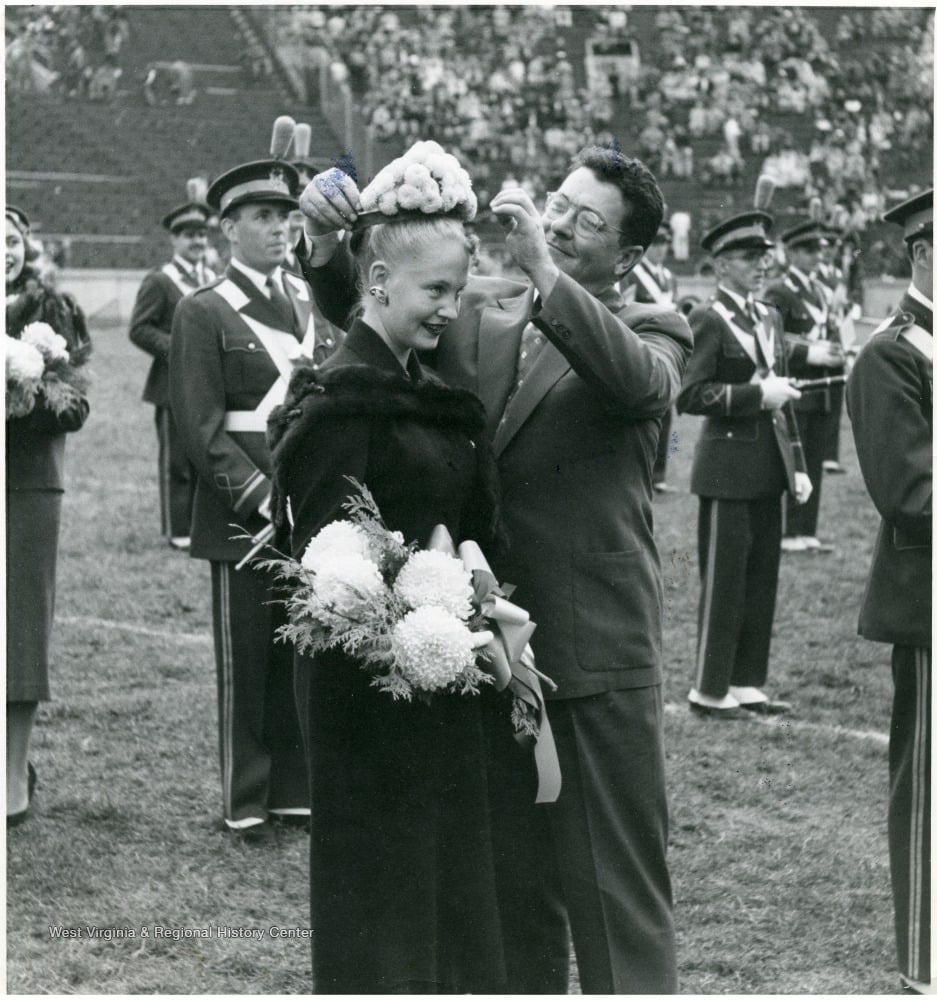
In the 1950s and ’60s, alcohol use disorder carried far greater social stigma than it does today. Many West Virginians knew or suspected that Marland had a “drinking problem,” especially as his political career began to unravel. Opponents sometimes cited his struggles to explain his electoral defeats and personal decline, and many viewed alcoholism as a moral failing rather than a medical issue.
Newspaper coverage across the country often portrayed him as both a cautionary tale and a man of dignity. The story drew national interest because Americans were struck by the contrast between the governor’s mansion and a Chicago taxi cab.
After his death later that year, much of the criticism faded. Historical accounts increasingly emphasized his accomplishments rather than his alcohol use. Today, most historians remember Marland as a reform-minded governor whose political promise was cut short by personal struggles, electoral defeats, and an early death.
In many ways, his legacy reflects two competing narratives—one of extraordinary political potential and another of personal tragedy. Modern West Virginia historians generally view his alcohol use as an important part of his story, though not the defining feature of his life. They tend to focus on his forward-looking policies, especially his early support for a coal severance tax and economic diversification.
One indication of how attitudes evolved is that Marland is often remembered alongside some of the state’s most influential governors despite his well-known struggles with alcohol. That suggests many West Virginians ultimately judged him more by his public service and vision for the state than by his personal shortcomings.
Just as his fortunes seemed to be improving, Marland was diagnosed with pancreatic cancer. He died in 1965 at age 47. Historians often rank him among the most visionary governors in state history for his support of resource taxation, economic modernization, public education, and racial integration.

The Jack Paar Interview That Captivated America
One of Marland’s most famous public appearances after his sobriety was an interview with Jack Paar (1918–2004), one of the most influential television personalities of the 1950s and early 1960s. He is best known as the host of NBC’s The Tonight Show from 1957 to 1962, preceding Johnny Carson.
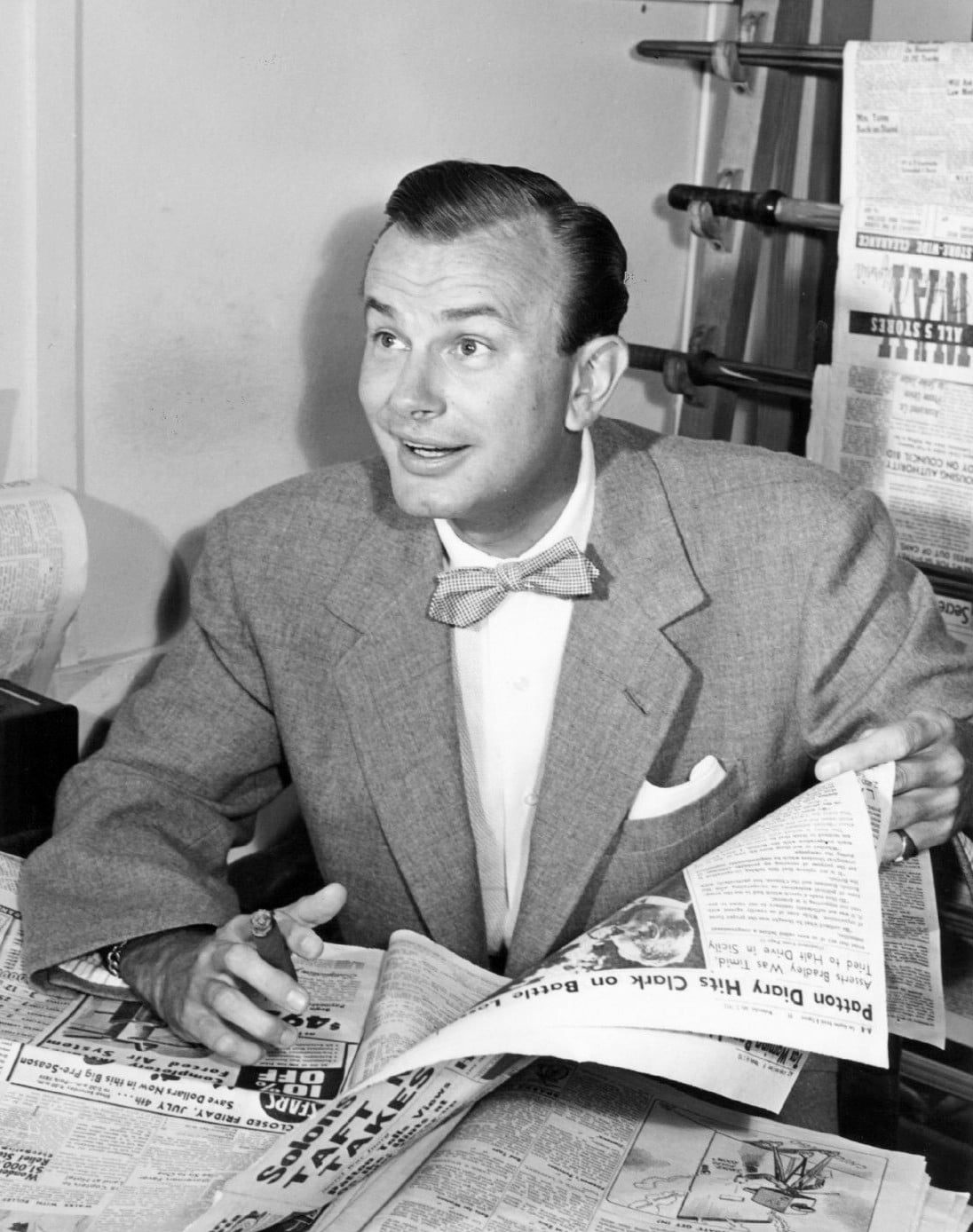
Unlike later late-night hosts, Paar’s style was highly conversational and emotional. He often conducted long, thoughtful interviews with politicians, actors, authors, and other public figures. His programs mixed humor with serious discussion, helping shape the modern talk-show format.
One of his most famous moments came in 1960, when he dramatically walked off The Tonight Show after NBC censored part of a joke he told on air. He returned about a month later, opening his first broadcast with the now-famous line: “As I was saying before I was interrupted…”
Paar’s interview with Marland five years later was significant because Marland had been one of the most prominent politicians in West Virginia and was widely considered a rising national political figure. Rather than treating Marland as a scandal, Paar approached him with empathy, and the interview focused on recovery, self-reflection, and redemption rather than political failure.
Paar’s comments praising Alcoholics Anonymous were unusual for network television. The organization generally avoided publicity, and discussions of addiction recovery were seldom broadcast to a national audience.
Americans were fascinated by the image of a former governor driving a cab under an assumed identity. Marland explained that the job gave him anonymity and time to “take stock of things” and rebuild his confidence—a theme of personal renewal that resonated with viewers.
The following is a transcript of Paar’s interview with Marland. For West Virginia history, the interview is especially important because it captures Marland at a turning point: He was no longer the ambitious governor who had championed school construction and economic development. He spoke candidly about failure, recovery, and the possibility of returning to public life.
In many ways, the interview is one of the earliest televised conversations about addiction recovery to feature a major American political figure. That alone makes it historically notable. For a West Virginia audience, it may be one of the most revealing public statements Marland ever made about the struggles that shaped the final years of his life.
Transcript: Jack Paar Interviews Former Governor William C. Marland
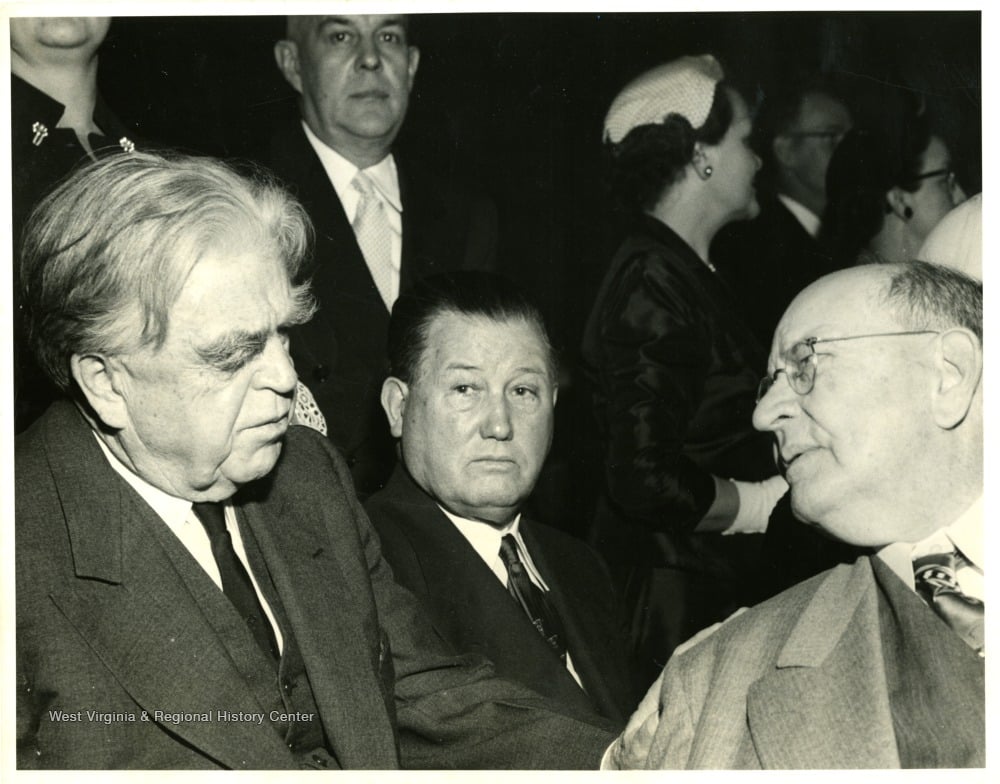
Parr: It was a memorable day for the youthful governor as the chief justice administered the oath of office as Marland’s proud wife and four handsome children looked on. Dignitaries were on hand for the ceremony, including John L. Lewis, long the head of the United Mine Workers Union.
Governor Marland made a notable record in office: He integrated West Virginia’s schools virtually without incident and attracted much new industry to the state. William Marland loomed as a figure to be reckoned with on the political scene nationally.
Prevented by law from serving more than one term as governor, Marland won the Democratic nomination for United States Senator and lost to a Republican in the Eisenhower landslide of 1956. He returned to private law practice. Then he dropped from sight.
Last week a reporter found Marland living in a Chicago YMCA and driving a taxi. His wife and children lived in a nearby suburb of Chicago. What happened to the political career that has been so successful? Here to tell that story is former Governor William C. Marland himself.
(Audience Applause)
Paar: [Is this the] first audience you faced since you ran for the Senate?

Marland: Yes, I believe it is.
Paar: Mr. Marland, how did it all happen? What happened?
Marland: Well, in a word—in a word, my character got drunk, or to your more genteel ears, abundantly inebriated.
Paar: Liquor?
Marland: Yes.
Paar: Serious? Serious problem?
Marland: Very serious, indeed.
Paar: Was it politics that drove you to it?
Marland: No. I can’t say that.
Paar: Stress? Strain? Genetic?
Marland: Who knows? This is a problem that many great minds are working on today, and I don’t know why. The important thing is what to do about it.
Paar: Mr. Marland, now that you were discovered in Chicago and it is known—and I am sorry about it—did you want the anonymity? Or are you sorry that everybody knows about it—who you are, where you are?
Marland: No, not particularly. Anonymity for my purposes is done. It has served a very good purpose. It gave me a chance to take stock of things. Refurbished this character, and I have some amount of confidence that it helped. Helped!
Paar: But why a taxi?
Marland: There’s a lot of reasons, but, principally, it’s anonymity, you know? You see taxis on the busy street, and you get in ’em and out of ’em, and you go places—so what, eh? A taxi driver.
Paar: Has anybody ever recognized you as the former governor? By anyone in a taxi?
Marland: A few times. Once, not a—
Paar: Did they ever come right out and say, Were you the former governor? Were you ever asked that?
Marland: Only one or two occasions.
Paar: What do you say? What did you say?
Marland: Yes. (Audience laughter)
Paar: And that was all you could say?
Marland: What could I say?
Paar: How long did you drive a taxi?
Marland: Almost three years.
Paar: You did? You are a law graduate—a great, great future.
Marland: A lot of people in law and a great many other professions at one time or another have driven a taxi for various purposes. I just had a rather unique purpose. A lot of fellows going to law school today, probably putting in a few hours at some such trade, maybe in a taxi. My reason was a little different.
Paar: I know that the idea of anonymous is the idea of Alcoholics Anonymous. Are you a member?
Marland: Oh, yes. I have been for almost five years.
Paar: I think of all the things that man does for his fellow man, he stands the tallest. I think it is the most worthwhile organization, socially and religiously, that I know. I have seen it do more good, and I know they don’t want to dwell on this because the idea of anonymity is the point, and I can understand why. You have it licked, Mr. Marland?
Marland: Well—
Paar: You pray to God you do?
Marland: I have a lot of confidence in a very serious arresting of the thing—enough to be glad now that I’ll probably get back into the thing that—
Paar: How long has it been since you have had a drink?
Marland: Four years now—almost four years to the day.
Paar: Big drinker?
Marland: Yes, I tried to do my share. (Audience laughter.) I expect several towns in Kentucky had a depression when I quit drinking. (Audience laughter.)
Paar: Someone said a quart a day you used to handle. So you can handle—?
Marland: We don’t measure it. (Audience laughter.)
Paar: I guess not, but how did you, when you took a job as a taxi driver, did you fill out as a—how could you mention your status?
Marland: Well, there’s no place on an application for former governors. (Audience laughter.)
Paar: What would you like—what would you like to do now, Mr. Marland?
Marland: Be busy. Uh—
Paar: The taxi thing is over? Now you can’t go back to that?
Marland: Still got my license, you know. (Audience laughter.)
Paar: We all hope, and we all know better. Now what would you like to do?
Marland: Uh—
Paar: You are a trained—a great attorney. Are you interested in politics? Do you like politics?
Marland: Oh, yes. Definitely yes. Anybody in this country, we gotta like politics, if we are gonna keep it. Politics is a great thing—for you, for me. For all these people should be interested in politics.
Paar: Would you?
Marland: If we ever fail as a country, it will be because these people quit getting interested in politics.
Paar: You sound like you are running again. (Audience laughter.) I am glad to hear that. May I call you governor? And, incidentally, may I wish you a happy birthday?
Marland: Thanks a lot.
Paar: Goodbye, governor.
Fast Facts About William Marland
- Governor of West Virginia: 1953–1957
- Attorney General of West Virginia: 1949–1953
- Born: 1918
- Died: 1965
- World War II Navy veteran
- Early supporter of a coal severance tax
- Advocate for school integration
- Featured on national television with Jack Paar
Excellent piece. Thank you, David!