
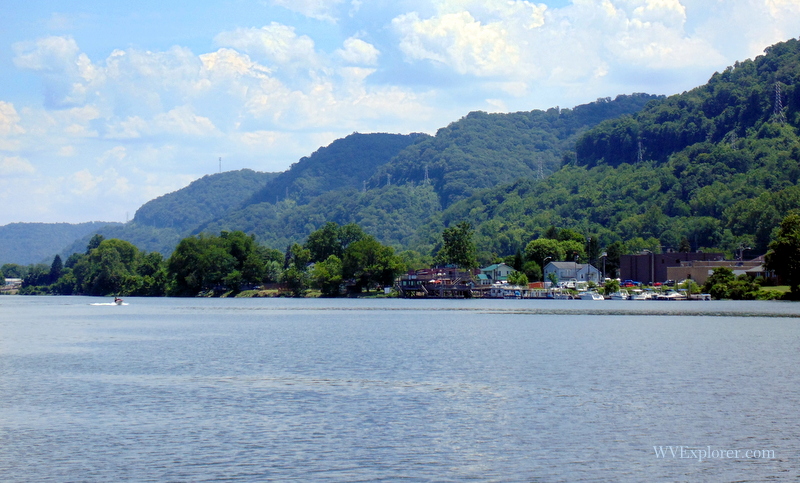
Kanawha Valley real estate includes some of West Virginia’s most desirable farms, hunting properties, and urban and suburban neighborhoods. Charleston, Saint Albans, Winfield, and Buffalo are included in this region. Much of the valley region consists of low wooded ridges extending outward from the banks of the Kanawha River. The valley along the river is part of the state’s largest metropolitan area.
Kanawha Valley Real Estate Sponsors
David Sibray, Foxfire Realty
Phone: (304) 575-7390
Historian and publisher David Sibray has made a life’s work of promoting West Virginia and its landscape, as a marketer of tourism and of farms, forests, and fine homes. An expert in historic preservation, he serves on the board of the state’s Preservation Alliance and brings a wealth of knowledge to the sale of heritage properties.
More about Kanawha Valley Real Estate
Kanawha Valley real estate includes a diverse mix of residential, commercial, industrial, and rural properties concentrated along the Kanawha River and its tributaries. Centered on the city of Charleston, the region includes communities such as South Charleston, St. Albans, Nitro, Dunbar, and numerous unincorporated communities throughout Kanawha and Putnam counties. The valley contains one of the state’s largest and most varied real estate markets, reflecting its historical role as West Virginia’s governmental, commercial, and industrial center.
The region’s real estate development has been shaped largely by geography. Narrow river bottoms and steep surrounding hillsides have concentrated residential and commercial growth along transportation corridors adjacent to the Kanawha River. As a result, communities are often connected in a continuous urban and suburban corridor stretching from eastern Kanawha County westward into Putnam County.
Historical Development
Real estate development in the Kanawha Valley accelerated during the nineteenth century with the growth of the salt industry and later expanded through the rise of coal mining, rail transportation, and chemical manufacturing. Charleston emerged as the region’s primary commercial center, while surrounding communities developed around industrial facilities, railroad depots, and river transportation.
During the early twentieth century, the construction of streetcar lines and improved highways encouraged suburban growth beyond Charleston’s downtown district. Residential neighborhoods such as South Hills, Kanawha City, Edgewood, and East End became established as desirable residential areas, many featuring architecturally significant homes dating from the late Victorian, Craftsman, Colonial Revival, and Tudor Revival periods.
The post-World War II era brought additional suburban expansion into communities such as South Charleston, St. Albans, Cross Lanes, and Teays Valley. New subdivisions, shopping centers, and industrial parks reflected the growing influence of automobile transportation and regional economic development.

Residential Real Estate
Residential real estate in the Kanawha Valley ranges from historic urban neighborhoods to modern suburban developments and rural properties. Charleston contains some of the state’s largest concentrations of historic homes, particularly in neighborhoods such as the East End Historic District and South Hills. These areas feature residences constructed during the late nineteenth and early twentieth centuries and remain among the most sought-after properties in the region.
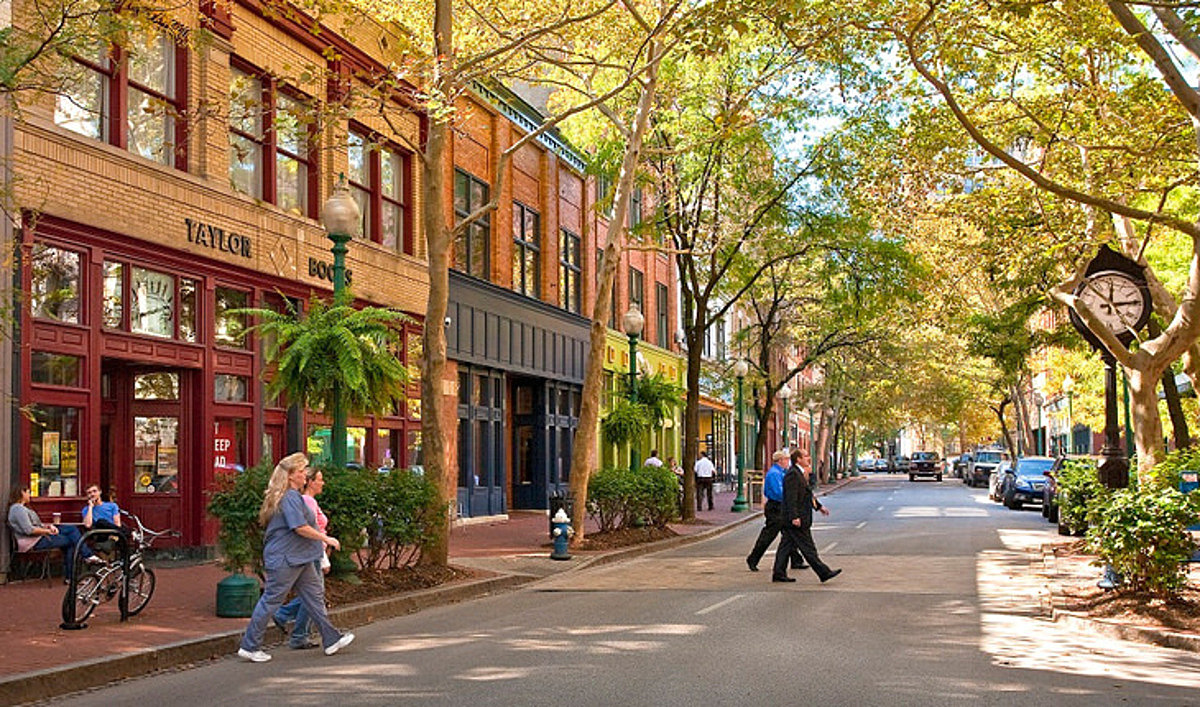
Suburban communities west of Charleston offer a mixture of mid-century neighborhoods and newer housing developments. Areas such as Cross Lanes, Hurricane, Scott Depot, and Teays Valley have experienced substantial residential growth due to their proximity to employment centers and transportation routes.
Rural properties remain common in the surrounding hills and tributary valleys, where larger tracts of land appeal to buyers seeking privacy, recreational opportunities, or agricultural use.
Commercial and Industrial Property
The Kanawha Valley has long been one of West Virginia’s principal centers for commercial and industrial real estate. Downtown Charleston serves as the state’s governmental and financial hub, containing office buildings, retail establishments, hotels, and institutional properties associated with state government, healthcare, education, and professional services.
Industrial development has historically been concentrated along the Kanawha River, where chemical manufacturing, energy production, warehousing, and transportation facilities benefited from access to rail lines, highways, and navigable waterways. Former industrial properties have increasingly become the focus of redevelopment efforts aimed at diversifying local economies and attracting new investment.
Market Characteristics
Compared with many metropolitan areas in the eastern United States, the Kanawha Valley has traditionally maintained relatively affordable housing prices. This affordability has attracted first-time homebuyers, retirees, and individuals relocating from higher-cost regions. Recent market data indicate that home values in Kanawha County and Charleston remain significantly below national averages, although prices vary considerably by neighborhood and property type. Charleston’s housing market has generally experienced modest appreciation while maintaining a substantial inventory of homes available for purchase.
Neighborhoods such as South Hills and Kanawha City often command higher prices due to their location, amenities, and housing stock, while older urban neighborhoods and some rural communities may offer lower-cost opportunities for buyers and investors. Recent market reports have shown continued demand for well-maintained properties in established neighborhoods despite broader demographic challenges facing portions of the region.
Challenges and Trends
Real estate development in the Kanawha Valley faces several challenges, including population decline in some communities, an aging housing stock, and the ongoing need for infrastructure improvements. Flooding concerns along portions of the Kanawha River and its tributaries have also influenced development patterns and property values in certain areas.
At the same time, preservation efforts have increased interest in historic neighborhoods, while remote work and changing lifestyle preferences have brought renewed attention to the region’s affordability and quality of life. Redevelopment projects in downtown Charleston and other urban centers continue to encourage investment in residential, commercial, and mixed-use properties.
Economic Significance
Real estate remains an important component of the Kanawha Valley economy, supporting construction, finance, insurance, legal services, property management, and related industries. Property taxes generated from residential, commercial, and industrial development provide significant revenue for local governments and public services.
As West Virginia’s largest urbanized region, the Kanawha Valley continues to serve as a major center of real estate activity, reflecting both its historical importance and its evolving role in the state’s economy.
Since 2020, the remote work revolution has dramatically changed the Kanawha Valley real estate market, according to David Sibray, a real estate agent with Foxfire Realty and publisher of West Virginia Explorer. “Rural benefits and proximity to major cities like Charleston have changed the Kanawha Valley real estate market dramatically,” Sibray said.
Kanawha Valley Real Estate Markets
All or part of the following counties may be considered to be part of the Kanawha Valley Real Estate region—Boone County, Clay County, Fayette County, Jackson County, Kanawha County, Lincoln County, Mason County, Putnam County, Roane County.