
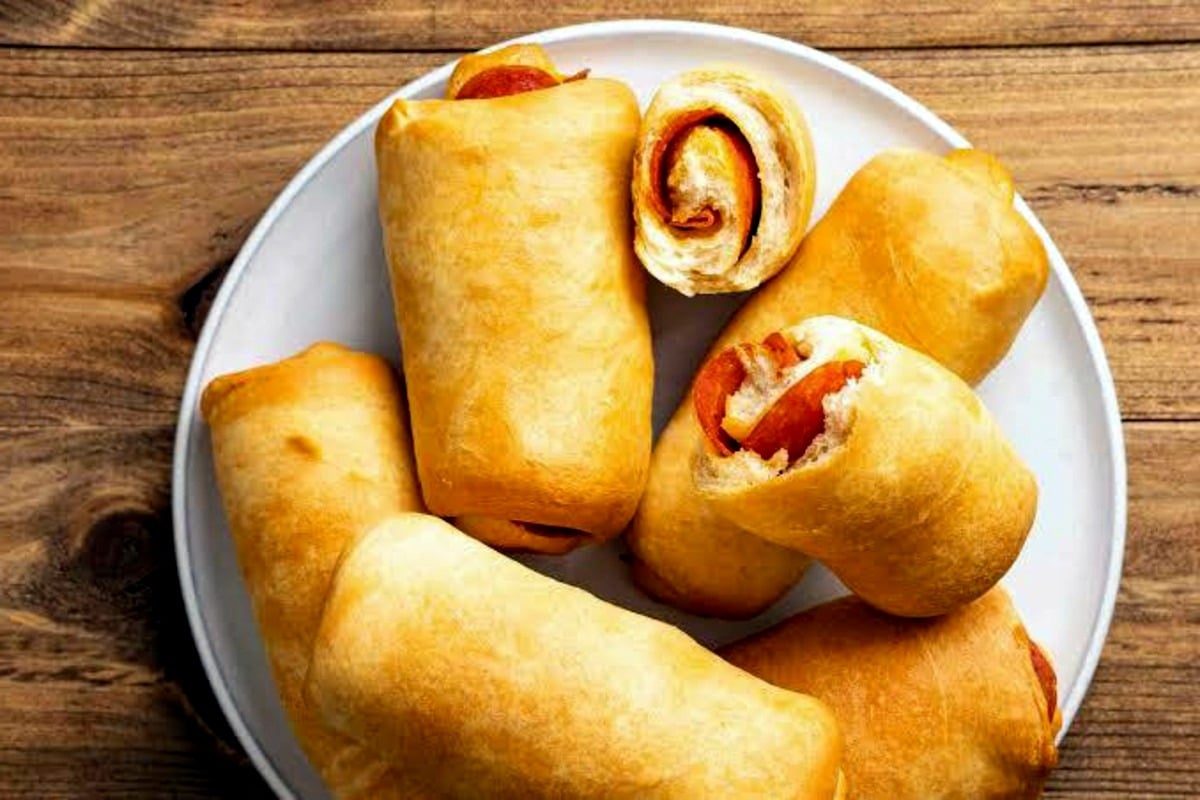
Pepperoni rolls are bread rolls filled with pepperoni, originating in north-central West Virginia in the early twentieth century. Widely regarded as one of the foods most closely associated with the state, the roll evolved as a practical meal for coal miners and later became a staple in bakeries, convenience stores, school cafeterias, restaurants, and at sporting events throughout West Virginia and parts of the broader Appalachian region.
Typically made with soft white bread baked around sticks, slices, or strips of pepperoni, the pastry is valued for its portability, shelf stability, and distinctive flavor. During baking, pepperoni oils infuse the bread, creating what food writers often describe as the dish’s defining characteristic. According to journalist Rachelle Bott Beckner, writing for the West Virginia Encyclopedia, pepperoni rolls became popular because they could be carried underground by coal miners without refrigeration and eaten easily during work shifts.
Origins
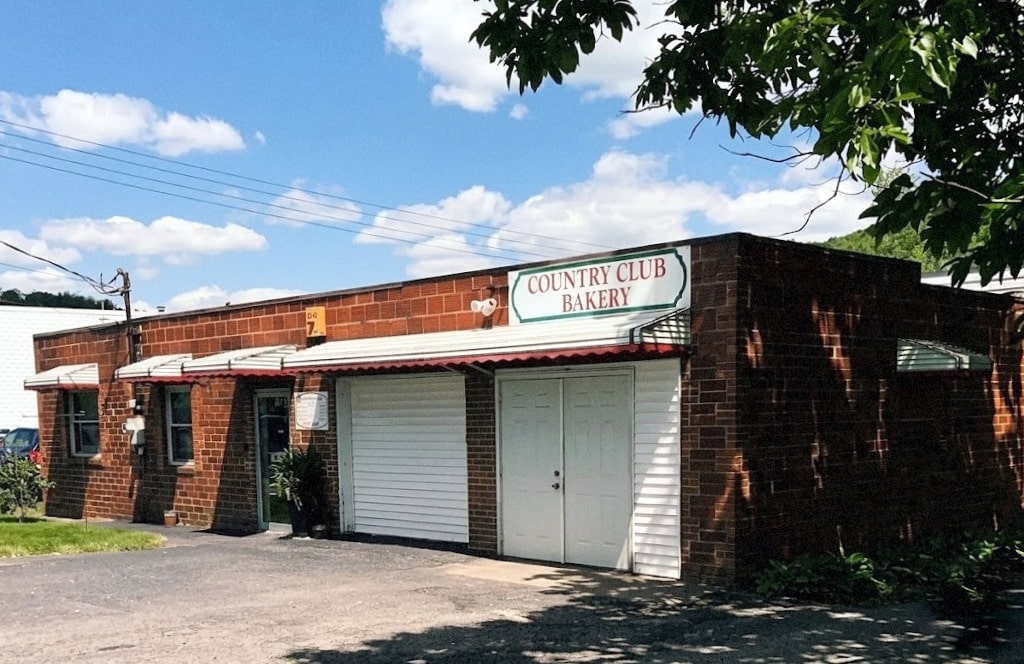
The roll is most closely associated with the communities of Fairmont and Shinnston and with Italian immigrant baker Giuseppe “Joseph” Argiro, founder of Country Club Bakery. Argiro, who had previously worked in coal mines, is generally credited with commercializing the snack around 1927. His bakery continues to call itself the “Home of the Original Pepperoni Roll.”
The origin story reflects the industrial and immigrant history of north-central West Virginia. During the late nineteenth and early twentieth centuries, large numbers of Italian immigrants arrived in the region to work in coal mines and on the railroads.
According to the W.Va. Dept. of Tourism, Argiro observed miners carrying “a stick of salami or pepperoni in one hand and a piece of bread in the other” and decided to combine the foods into a single, portable meal. Food historian Candace Nelson noted in an interview with La Cucina Italiana that “it was most likely the wives of coal miners that were creating these little pieces of deliciousness first in their home kitchens,” before bakeries commercialized the product.
Fairmont later adopted the nickname “Pepperoni Roll Capital of the World,” and the snack became deeply embedded in the state’s culinary identity.
Characteristics and Preparation
Traditional pepperoni rolls consist of white yeast bread wrapped around pepperoni sticks or slices. Variations may include mozzarella or provolone cheese, hot peppers, or marinara sauce. Some bakeries use sliced pepperoni, while others insist that pepperoni sticks provide superior texture and flavor because the oils disperse more gradually into the bread as it bakes.
Food writers often highlight the interaction between the bread and pepperoni oils. In a feature on Appalachian food traditions, Eater magazine described the ideal pepperoni roll as one in which “the fat seeps wonderfully into the bread.” The same article called the pepperoni roll “a triumph of the bakeries that make them and the communities in which they thrive.”

The rolls are generally eaten at room temperature or slightly warmed. Because they do not require refrigeration for short periods, they became especially practical for miners, laborers, and travelers. The food’s portability has often been compared to British pasties and sausage rolls, which similarly developed in mining communities.
Cultural Significance
The pepperoni roll evolved from a regional mining lunch into a statewide cultural symbol. By the late twentieth century, the snack had become nearly ubiquitous in West Virginia convenience stores, grocery stores, bakeries, and schools. Tourism officials and food writers often describe the dish as an unofficial “state food” of West Virginia.
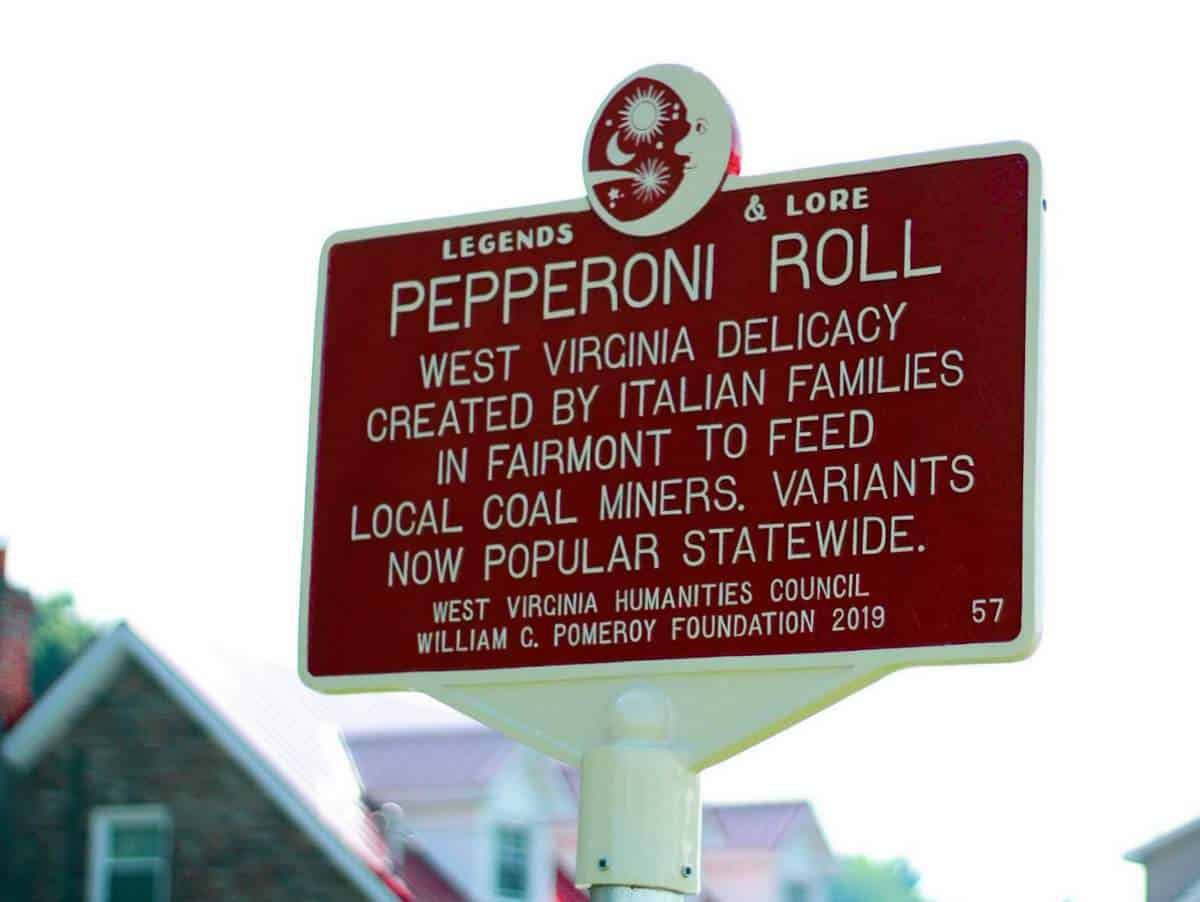
The pepperoni roll’s popularity reflects the blending of Appalachian and immigrant food traditions in industrial West Virginia. Although rooted in Italian-American cuisine, the roll became broadly associated with Appalachian working-class culture and coalfield identity. Food writer John T. Edge described pepperoni rolls in The New York Times as “fast food even before fast food,” emphasizing their practicality and mass appeal.
The snack also became linked to nostalgia and regional pride among West Virginians living outside the state. Modern interpretations now include gourmet, vegetarian, and specialty versions sold at restaurants and food festivals throughout Appalachia. In recent years, tourism organizations in north-central West Virginia have established a “Pepperoni Roll Trail” highlighting bakeries and restaurants associated with the dish.
Commercial Production and Regulation
Several bakeries, besides Country Club Bakery, became known for pepperoni rolls in the twentieth century, including Colasessano’s in Fairmont and Tomaro’s Bakery in Clarksburg. Recipes and styles vary widely among producers, with some favoring dense bread and others softer doughs with heavier pepperoni oil saturation.
In 1987, federal regulations briefly threatened commercial pepperoni roll production. According to Beckner, the U.S. Department of Agriculture considered classifying pepperoni roll bakeries as meat-processing facilities, which could have subjected small bakeries to costly inspections. Senator Jay Rockefeller intervened with federal officials, and the proposal was ultimately withdrawn. The incident became part of the folklore surrounding the snack’s cultural importance in the state.
Legacy
Today, pepperoni rolls remain one of the best-known foods associated with West Virginia. It is commonly sold in bakeries, gas stations, restaurants, and school concession stands across the state and neighboring Appalachian regions. The dish continues to symbolize the intersection of immigration, coal mining, labor history, and Appalachian identity.
Although recipes and styles vary, the pepperoni roll remains closely tied to the industrial communities of north-central West Virginia, where it first gained popularity. More than a century after its development, it remains both an everyday food and a cultural emblem of the Mountain State.
Pepperoni Rolls Trail
The Pepperoni Roll Trail is a culinary tourism initiative in north-central West Virginia that highlights bakeries, restaurants, and markets known for producing pepperoni rolls. Centered largely around Fairmont and Marion County—the region most closely associated with the food’s origins—it encourages visitors to sample different styles and recipes while exploring the area’s Italian-American and coal mining heritage.
Participating businesses range from bakeries and convenience stores to pizzerias and restaurants, offering modern variations of the traditional snack. The trail builds on the growing role of food tourism in West Virginia and the pepperoni roll’s continued cultural importance as a symbol of the state’s industrial Appalachian identity.
Pepperoni Rolls in Schools and Sports Culture
Pepperoni rolls became deeply embedded in school and sports culture in northern West Virginia in the twentieth century. Because they were inexpensive, portable, and easy to prepare in large quantities, they became common at school cafeterias, concession stands, and fundraising events. Students frequently bought pepperoni rolls at lunch, athletic events, and after-school activities, helping establish the snack as a familiar part of everyday life in the region.
High school football culture played a particularly important role in popularizing pepperoni rolls. Concession stands at football and basketball games commonly sell the rolls alongside hot dogs, popcorn, and soft drinks. Their convenience made them especially practical for spectators, marching bands, athletes, and traveling fans attending games in rural communities where school sporting events often functioned as major social gatherings. Many churches, booster organizations, and civic groups also sold homemade pepperoni rolls as fundraisers for athletic programs and community activities.
Pepperoni Rolls not a Statewide Food
Although pepperoni rolls are widely available throughout West Virginia today, the food has historically been most closely identified with north-central West Virginia, particularly the Monongahela Valley and portions of the Northern Panhandle, where Italian immigration and coal mining culture were especially influential during the early twentieth century. The food was practically unknown in the culinary traditions of southern West Virginia and the Eastern Panhandle.
This regional distinction became evident during repeated legislative efforts to designate the pepperoni roll as West Virginia’s official state food. Although resolutions were introduced in the West Virginia Legislature in 2013, 2021, and 2023 praising the pepperoni roll as an “unofficial state food,” the proposals failed to gain statewide support. Lawmakers viewed pepperoni rolls as a primarily north-central West Virginia tradition rather than a food equally rooted across all regions of the state.

West Virginia Pepperoni Rolls Recipe
A traditional West Virginia pepperoni roll recipe is relatively simple and reflects its origins as a durable, portable miner’s lunch. The classic version uses soft white bread dough wrapped around sticks or slices of pepperoni, usually without sauce. During baking, the oils from the pepperoni soak into the bread, which is considered essential to the flavor.
Many alternative and modern pepperoni roll recipes include cheese, peppers, ramps, dipping sauces, whole-wheat dough, vegan fillings, and gourmet ingredients.
Ingredients
- 1 package active dry yeast
- 1 cup warm water
- 2 tablespoons sugar
- 3 tablespoons vegetable oil or melted shortening
- 1 teaspoon salt
- About 3 cups of all-purpose flour
- 1 pound pepperoni sticks or sliced pepperoni
Instructions
- Dissolve the yeast and sugar in warm water, then let stand for about 5–10 minutes until foamy.
- Stir in oil, salt, and enough flour to make a soft dough. Knead until smooth and elastic, about 8–10 minutes.
- Place the dough in a greased bowl, cover, and let rise until doubled in size, usually about 1 hour.
- Divide the dough into individual portions roughly the size of a dinner roll. Flatten each portion into an oval or rectangle.
- Place several sticks or slices of pepperoni in each piece of dough, then fold the dough around the meat, sealing the edges tightly.
- Arrange the rolls seam-side down on a greased baking sheet. Cover and allow to rise again for about 20–30 minutes.
- Bake at 350°F (175°C) for approximately 20–25 minutes, or until golden brown.
- Allow to cool slightly before serving. Traditional pepperoni rolls are often eaten at room temperature.
Notes
Traditional north-central West Virginia bakeries often prefer pepperoni sticks over slices because the bread absorbs pepperoni oil more gradually during baking. Cheese is common in modern pepperoni roll versions, but it was not always included in early coal-mining era recipes because unrefrigerated cheese spoiled more easily underground. Many longtime West Virginians also prefer the rolls without sauce, viewing them as a self-contained bread-and-meat snack rather than a variation of pizza.