Fayetteville, West Virginia, is the county seat of Fayette County and is widely regarded as the gateway to the northern New River Gorge National Park and Preserve. Set on the edge of a mountain plateau overlooking one of North America’s oldest rivers, the town has evolved from a quiet Appalachian courthouse community into one of the nation’s premier outdoor recreation destinations.

Despite having fewer than 3,000 residents, the town welcomes visitors from across the United States and abroad to experience hiking, fishing, rock climbing, mountain biking, whitewater rafting, and the spectacular New River Gorge Bridge. Since the gorge received national park status in 2020, the town has become one of West Virginia’s best-known travel destinations and a center for Appalachian tourism.
History
Fayetteville traces its origins to the early nineteenth century, when settlers established a community known as Vandalia. In 1837, it became the county seat of Fayette County and soon adopted the name Fayetteville in honor of Marquis de Lafayette, the French hero of the American Revolution.
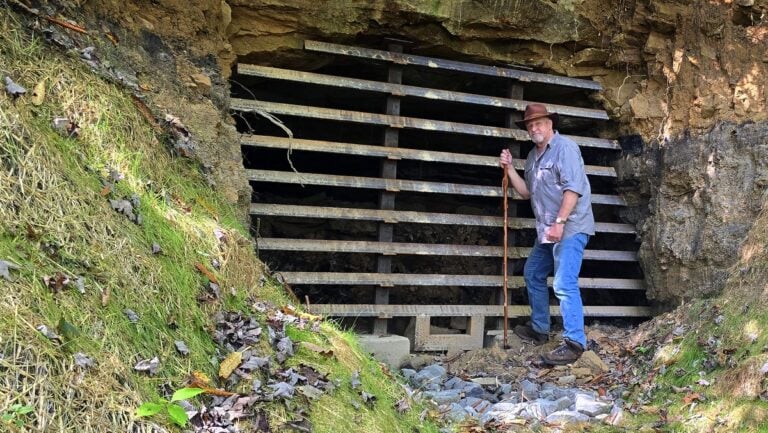
For much of its history, the town served the surrounding farming and timber communities while nearby coalfields transformed the region into one of the nation’s leading coal-producing areas. Railroads opened the rugged New River Gorge to industrial development in the late nineteenth century, creating dozens of mining communities throughout the canyon below the town.
Unlike many neighboring coal camps, it remained an independent commercial and governmental center, with its courthouse, schools, churches, and businesses serving residents throughout the county. As coal employment declined in the twentieth century, the community gradually reinvented itself around tourism and outdoor recreation.
That transition accelerated after the completion of the New River Gorge Bridge in 1977, which dramatically improved access to the region and became one of West Virginia’s defining landmarks.
Location
Fayetteville lies about 40 miles southeast of Charleston at the junction of U.S. Route 19 and West Virginia Route 16. The town sits atop a high tableland overlooking the New River Gorge, placing visitors within minutes of many of the national park’s best-known attractions.
Its central location also makes it an excellent base for exploring southern West Virginia, including Babcock State Park, Hawks Nest State Park, Summersville Lake, and the Gauley River National Recreation Area.
Outdoor Recreation
Outdoor adventure defines modern Fayetteville. The nearby New River Gorge encompasses more than 70,000 acres of federally protected land, hundreds of miles of hiking trails, internationally recognized sandstone cliffs, and some of the finest whitewater rafting in eastern North America.
Popular activities include:
- Whitewater rafting on the New and Gauley rivers
- Rock climbing on more than 1,500 established routes
- Hiking to Long Point, Endless Wall, Kaymoor, and other overlooks
- Mountain biking
- Fishing and kayaking
- Ziplining and aerial adventure courses
- Wildlife photography and birdwatching
Because of its central location, many commercial outfitters maintain their headquarters in or around Fayetteville, making the town the region’s primary hub for guided outdoor recreation.
New River Gorge Bridge
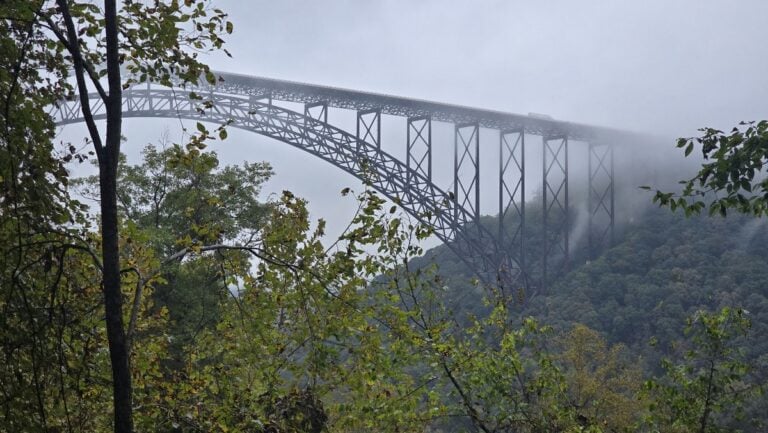
Just north of downtown, the New River Gorge Bridge rises 876 feet above the New River, making it one of the world’s longest single-span steel arch bridges when it opened in 1977.
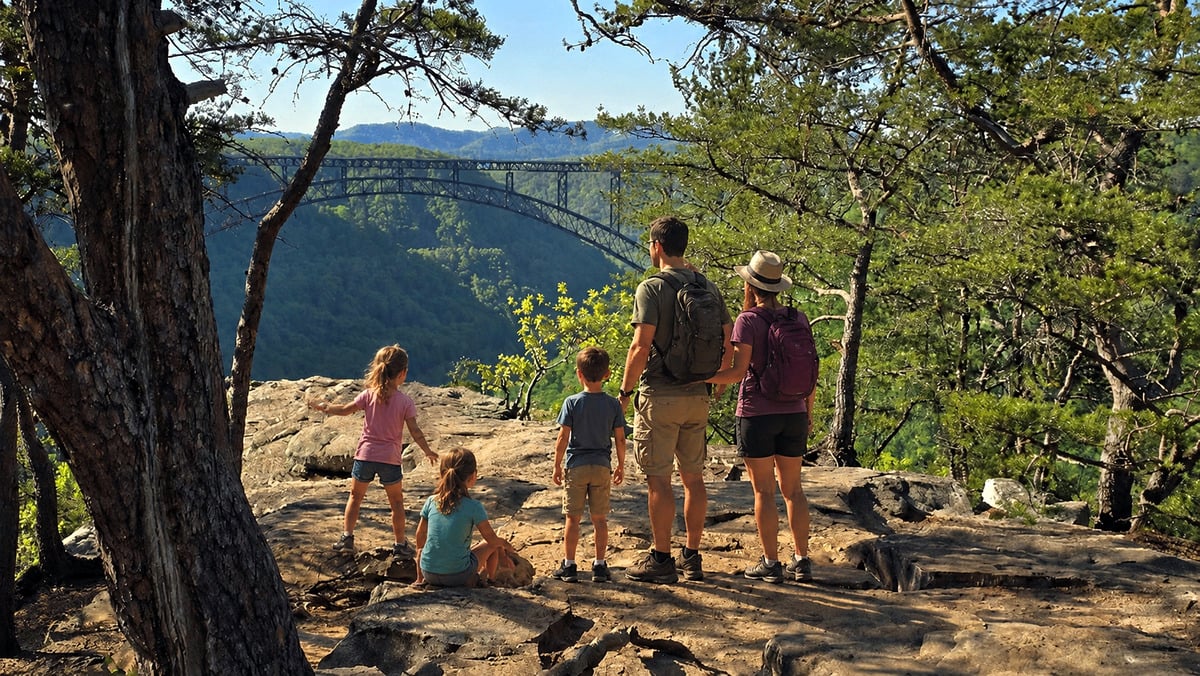
Today, the bridge is among West Virginia’s most photographed landmarks and serves as the focal point for annual Bridge Day celebrations, when BASE jumpers and rappellers descend from the span while thousands of spectators gather along the bridge and throughout Fayetteville.
The bridge also anchors one of the park’s most-visited scenic areas, Canyon Rim, where overlooks offer sweeping views of the gorge.
Historic Downtown
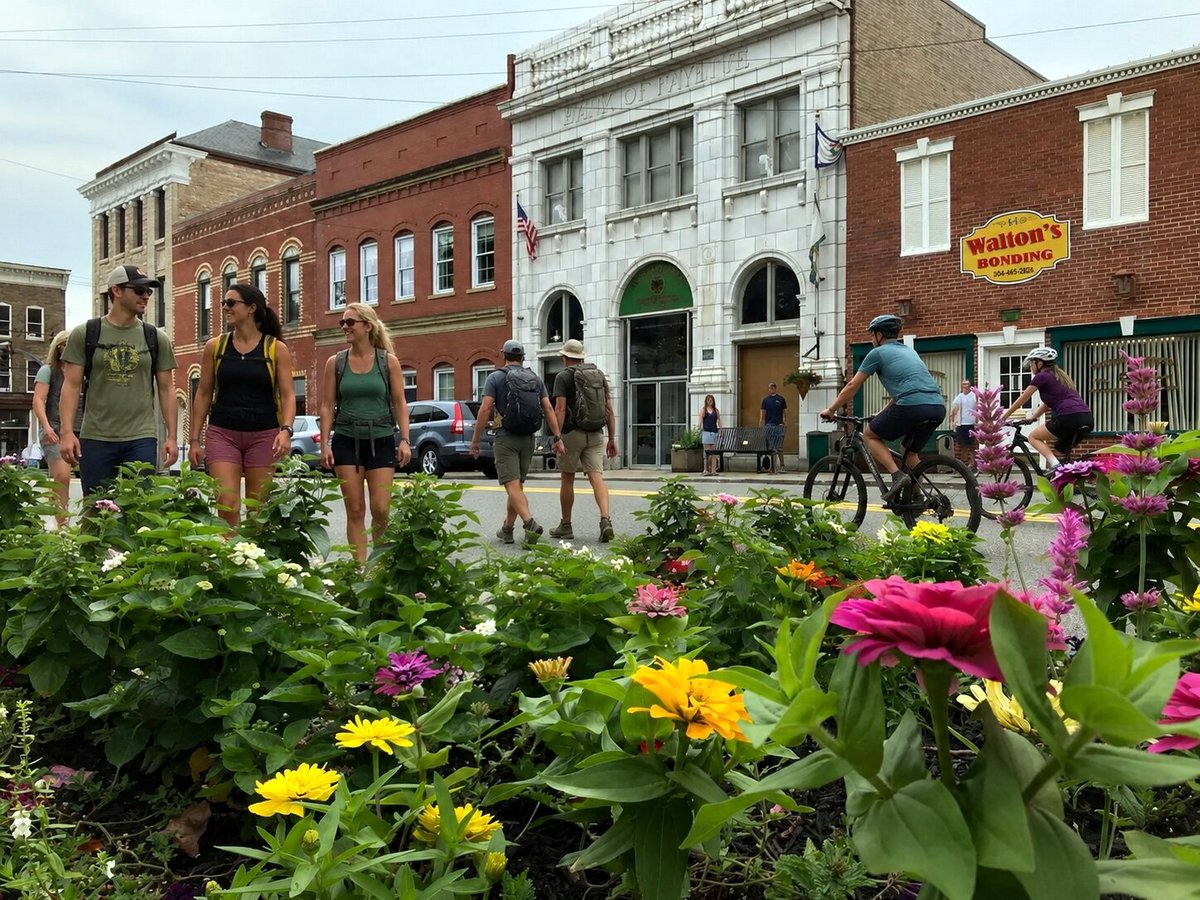
Fayetteville’s historic downtown blends nineteenth-century architecture with restaurants, coffee shops, outfitters, galleries, breweries, and locally owned businesses.

The community is known for preserving its small-town character while embracing tourism. Many visitors explore downtown on foot before heading into the national park, and the district frequently hosts festivals, concerts, farmers’ markets, and community events throughout the year.
The town’s walkability and concentration of independent businesses have helped set Fayetteville apart from many larger outdoor recreation destinations.
Economy
Historically dependent on agriculture, timber, and coal mining, Fayetteville’s economy today centers on tourism, hospitality, and outdoor recreation.
Adventure travel companies, lodging providers, restaurants, retail shops, and guide services collectively employ hundreds of local residents. The nearby national park has also stimulated investment in new accommodations, restaurants, and tourism-related businesses, making recreation one of the area’s principal economic drivers. Many global travel magazines have publicized the town, including Condé Nast Traveler.
Tourism
For many visitors, Fayetteville is the first stop when exploring the New River Gorge. The town offers a wide range of lodging options, including hotels, cabins, vacation rentals, campgrounds, and bed-and-breakfasts. It also provides easy access to the Canyon Rim Visitor Center, Long Point Trail, Fayette Station Road, the Bridge Walk, and many of the park’s most popular hiking destinations.
Its blend of outdoor recreation, historic character, and dining has earned national recognition in travel publications, and it is often described as one of America’s leading small adventure towns. The town is also a favorite haunt of ghost hunters and is numbered among the most haunted locales in West Virginia. According to West Virginia Ghosts, a handful of hauntings have become legendary. Visit the Fayetteville Convention and Visitors Bureau for more information on touring the community.
Dining
Fayetteville has developed one of West Virginia’s best-known small-town dining scenes, with restaurants, coffee shops, bakeries, breweries, and cafés drawing visitors to the New River Gorge. Many travelers start the day with breakfast downtown, then head to the trails or the river, and return in the evening to locally owned restaurants featuring Appalachian flavors, wood-fired pizza, craft beer, and regional specialties. The concentration of independent eateries has helped establish Fayetteville as a destination not only for outdoor adventure but also for food and hospitality.
Climate
Fayetteville experiences four distinct seasons. Spring brings wildflowers and high river levels for rafting, while summer offers warm temperatures ideal for hiking and climbing. Autumn attracts visitors with colorful hardwood forests, particularly during October’s Bridge Day festivities. Winters are generally mild compared with higher elevations elsewhere in West Virginia, although snowfall is common.
Population
According to the 2020 U.S. Census, Fayetteville had a population of 2,873. Although modest in size, the town’s daytime population often increases significantly during the outdoor recreation season as visitors arrive to explore the New River Gorge.
Why Fayetteville Matters
Few communities in Appalachia have transformed as dramatically as Fayetteville. Once known primarily as a courthouse town serving nearby coalfields, it has become an internationally recognized gateway to one of America’s newest national parks.
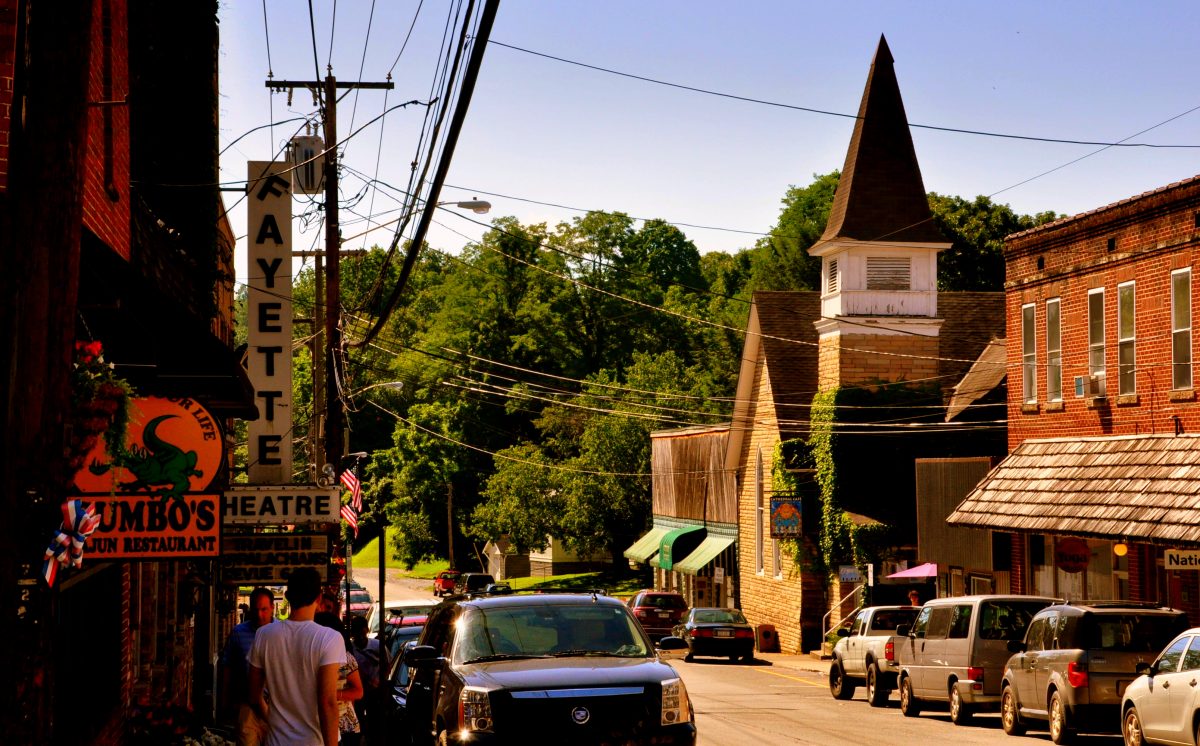
The town exemplifies West Virginia’s broader shift from an economy rooted in natural resource extraction to one increasingly driven by recreation, heritage tourism, and conservation. Its proximity to the New River Gorge, a thriving downtown, and easy access to world-class outdoor adventures have made Fayetteville one of the state’s most influential small towns and most visited destinations.
Lodging near Fayetteville, West Virginia
- Fayetteville (WV) Cabins
- Fayetteville (WV) Campgrounds
- Fayetteville (WV) Hotels
- Fayetteville (WV) Specialty Lodging
Parks & Public Recreation
In addition to the New River Gorge National Park and Preserve, the following parks and public recreation areas are located within 20 miles of Fayetteville.
- Janutolo Park
- Hughes Park
Photos of Fayetteville & Vicinity







Location
Fayetteville is located on the US-19 expressway, approximately 6 miles north of Oak Hill, West Virginia; 15 miles north of the Bechtel National Scout Reserve at Mount Hope, West Virginia; and 25 miles north of Beckley, West Virginia.

Map of Fayetteville, West Virginia
Regional Information
Fayetteville is located in the New River Gorge Region in southern West Virginia.
Latest Fayetteville News
Bridge Day 2026 forecast calls for cold weather, but history shows much colder celebrations
America’s wild turkey hunting tradition returns to West Virginia forests
GPS trackers in new study reveal W.Va. otters traveling up to 30 miles a night
Foundation seeks to expand private funding for West Virginia State Parks projects

Fewer acorns could mean more deer sightings for West Virginia hunters this fall